
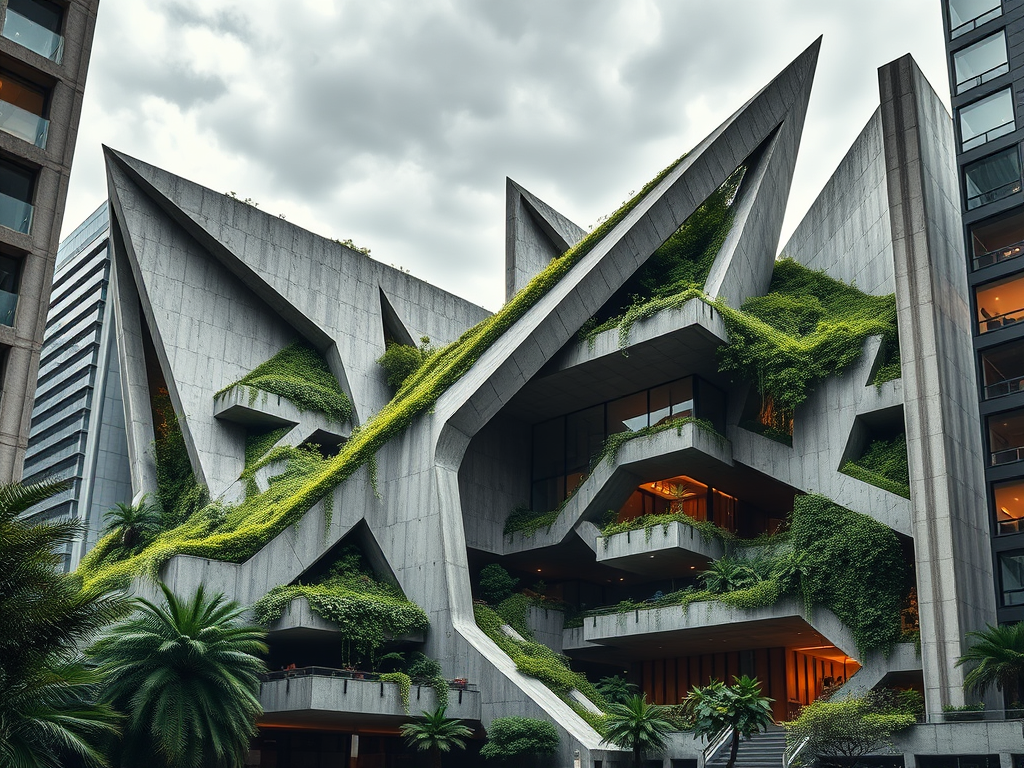
Eco-brutalism has always fascinated me—the striking contrast between lush greenery and stark concrete feels both poetic and unsettling. The fusion of soft, organic life with the rigid, utilitarian lines of brutalist architecture evokes a dystopian, post-apocalyptic future. And in today’s uncertain geopolitical climate, I find myself dreaming about what’s to come.
I’ve always been drawn to futuristic architecture, but something about eco-brutalism feels particularly compelling. It’s hard to explain its irresistible charm, why it captivates me and so many others. Perhaps it’s the way it acknowledges the raw, unyielding nature of humanity—embodied in cold concrete—while simultaneously striving to coexist with nature. We’ve long since moved past the era of hunter-gatherers, anchoring our lives to physical structures, utilities, and infrastructure. Yet, eco-brutalism offers a vision of moving beyond the crises of today. In a world where fossil fuels drive the economy and terms like deforestation, extinction, and climate change dominate our vocabulary, the idea of peaceful coexistence with nature is undeniably appealing.
Eco-brutalism is rooted in the post-war brutalist movement, which emerged in the 1950s and 1960s as a response to material shortages after World War II. With limited resources, architects turned to raw concrete and utilitarian design to rebuild cities efficiently and affordably. Brutalism mirrored the somber mood of the era, characterized by exposed concrete, rough textures, simple geometric lines, and modular elements.
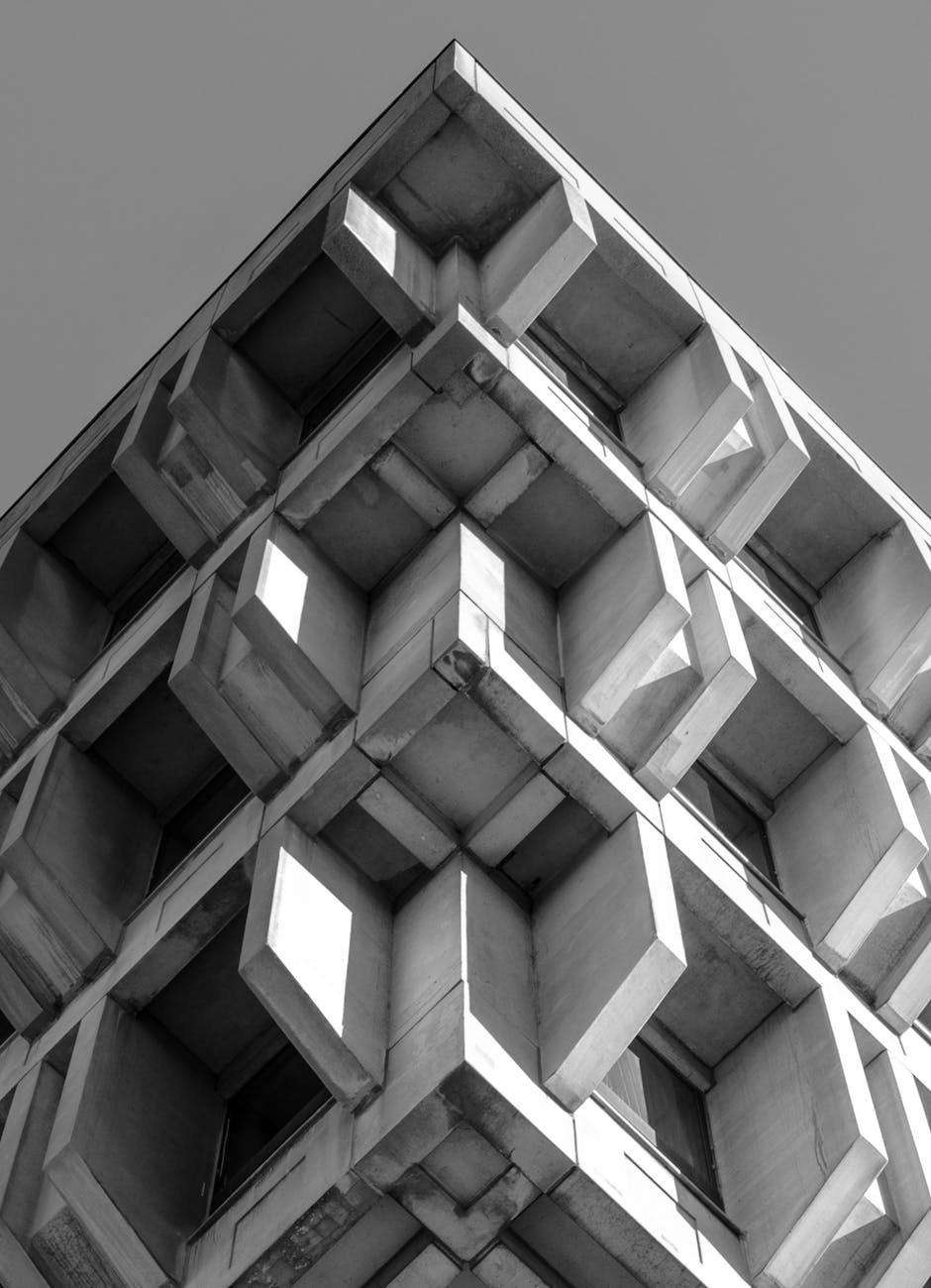
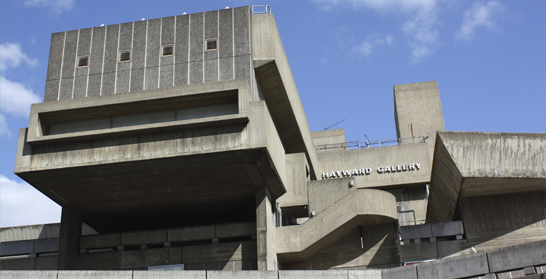
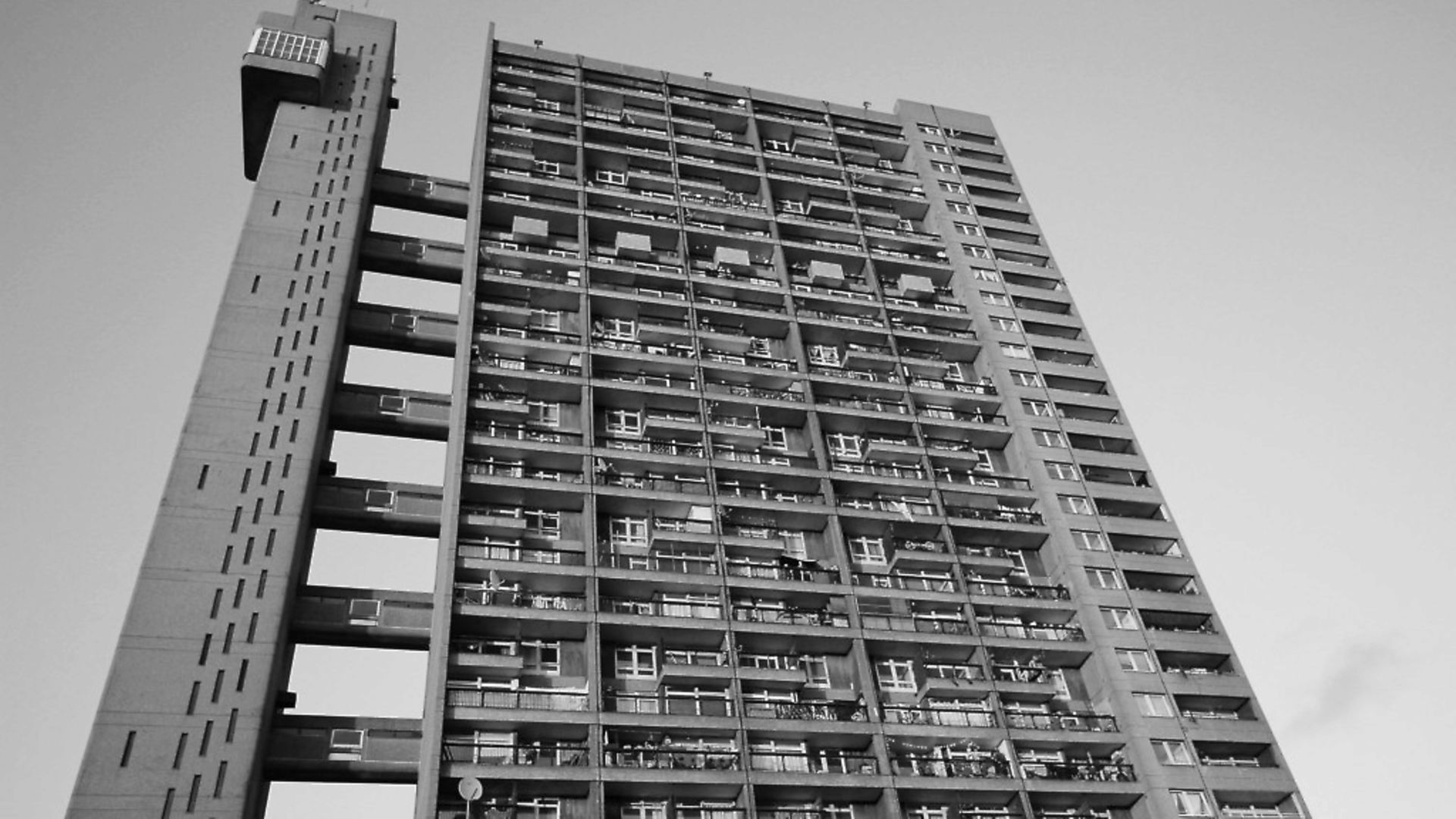
The “eco” aspect of eco-brutalism introduces a striking contrast—bringing greenery into these imposing structures, softening their severity with plants, trees, and other natural elements. The result is a visual blend of function and sustainability, an architectural dream that feels like both a warning and a promise.
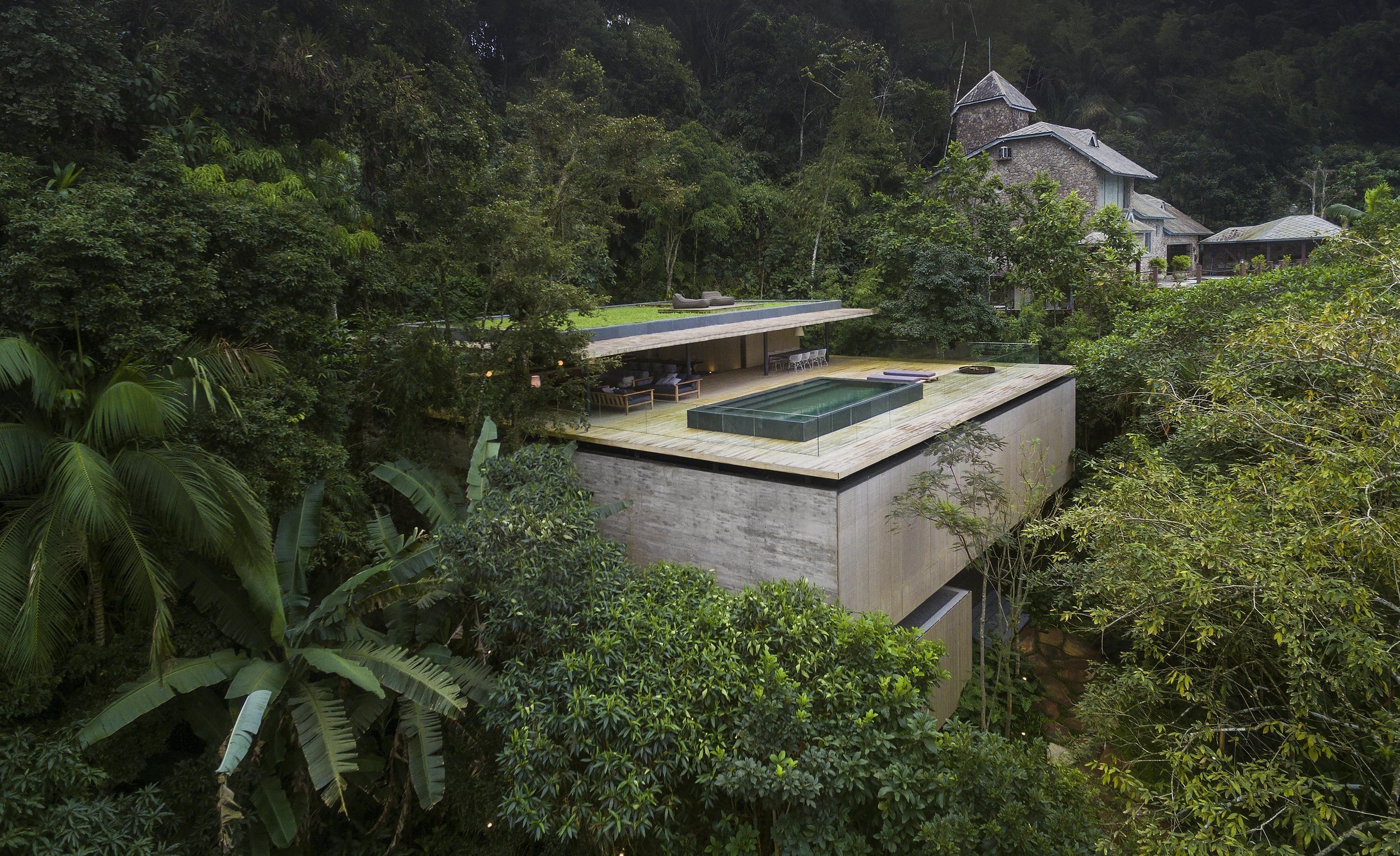


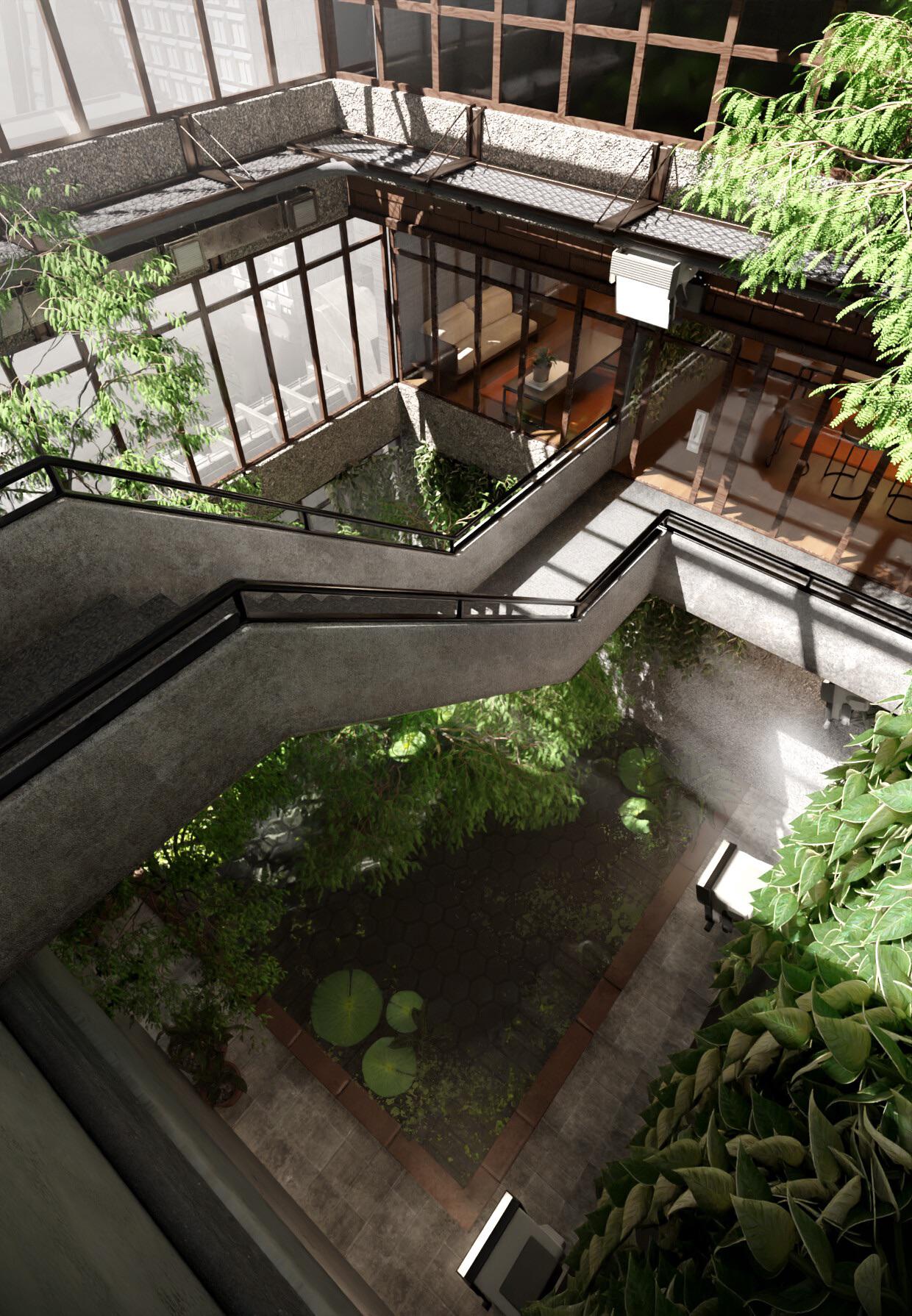
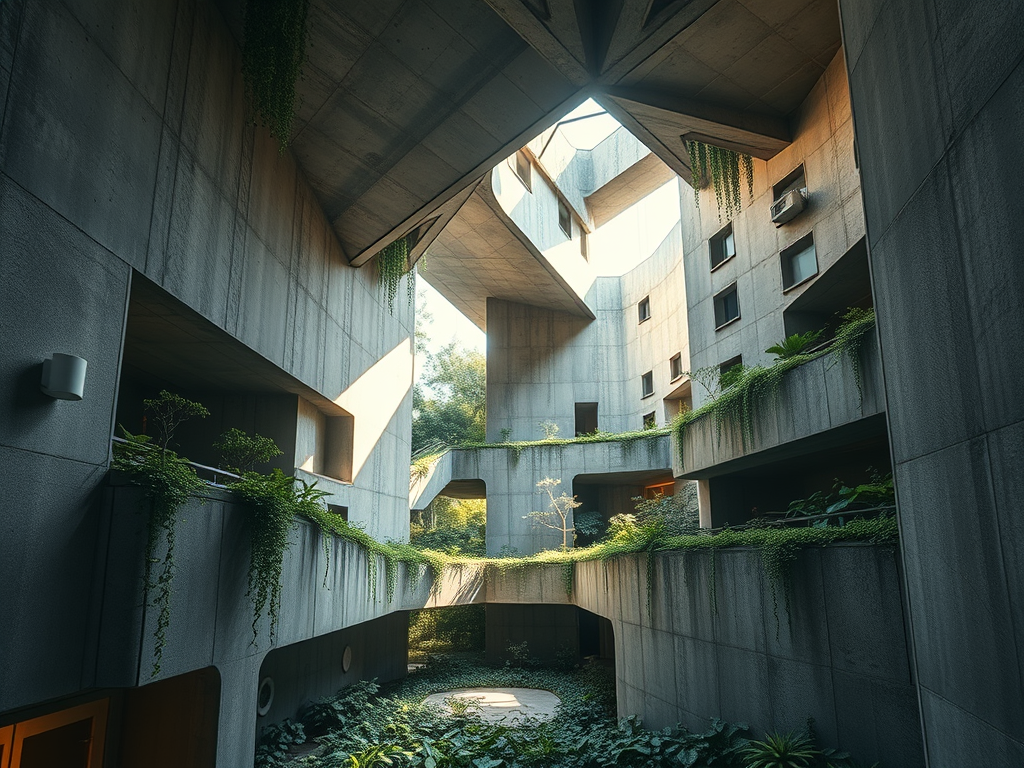
The sustainability paradox of eco-brutalism
Despite its green aesthetic, eco-brutalism isn’t as environmentally friendly as it might seem. Concrete—the backbone of brutalist architecture—is one of the largest contributors to CO2 emissions, releasing massive amounts as a byproduct during cement production. So while eco-brutalism may be visually compelling and inspire futuristic visions, its environmental impact is far from ideal.
That said, eco-brutalism does get some things right. Incorporating greenery into urban design improves air quality, reduces heat absorption, and creates habitats for wildlife like pollinators and birds. Repurposing existing structures rather than building from scratch also conserves resources—a crucial consideration in an era of economic and ecological strain. Additionally, despite its sustainability flaws, brutalist concrete plays a role in flood prevention and water management, reinforcing dams and mitigating rising sea levels.
So, is there a way to make eco-brutalism truly sustainable? A reimagined version might incorporate recycled materials, wood, or even living trees as structural elements—offering a more harmonious balance between the built environment and the natural world.
A more hopeful future: solarpunk and earthships
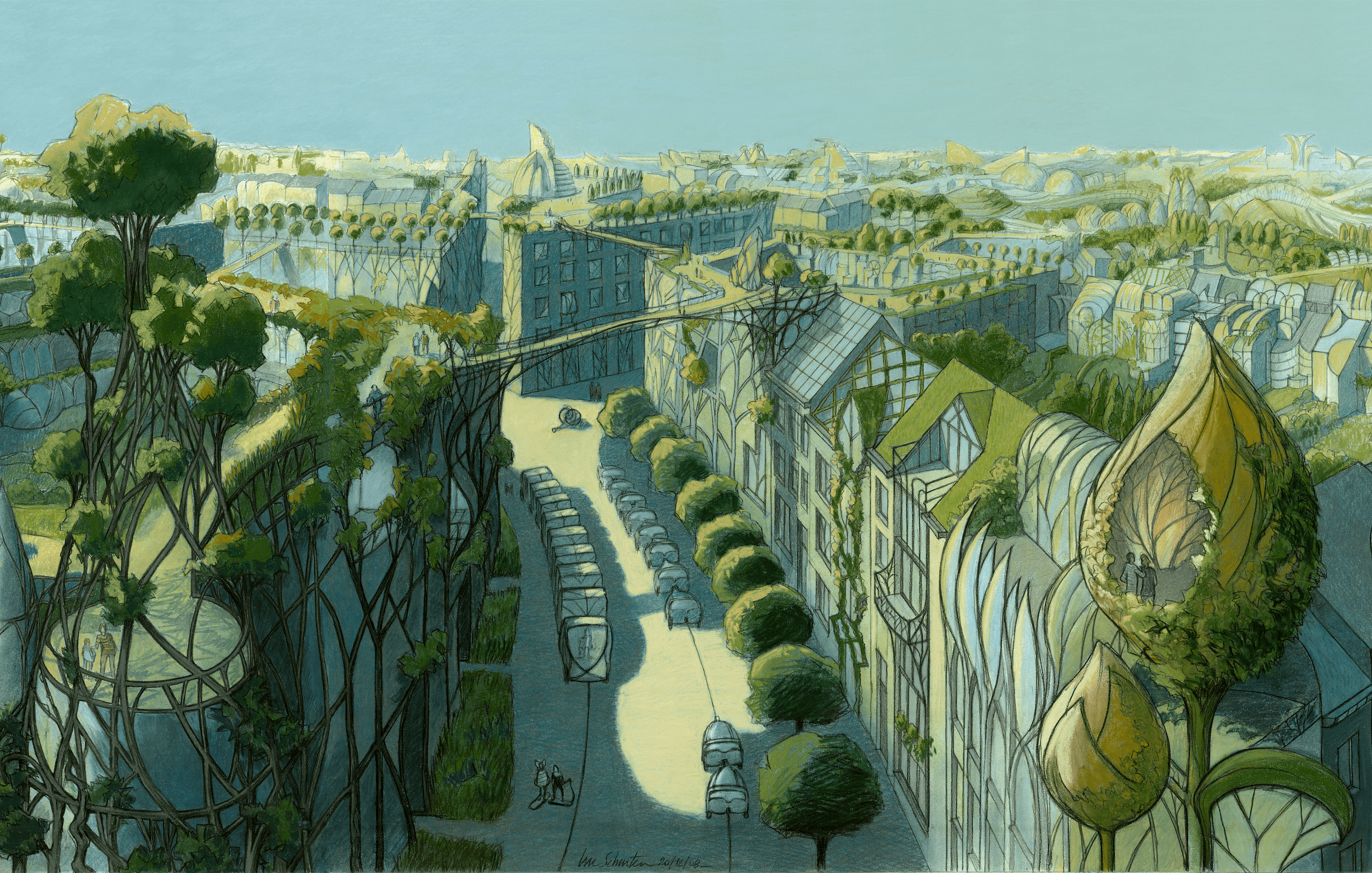
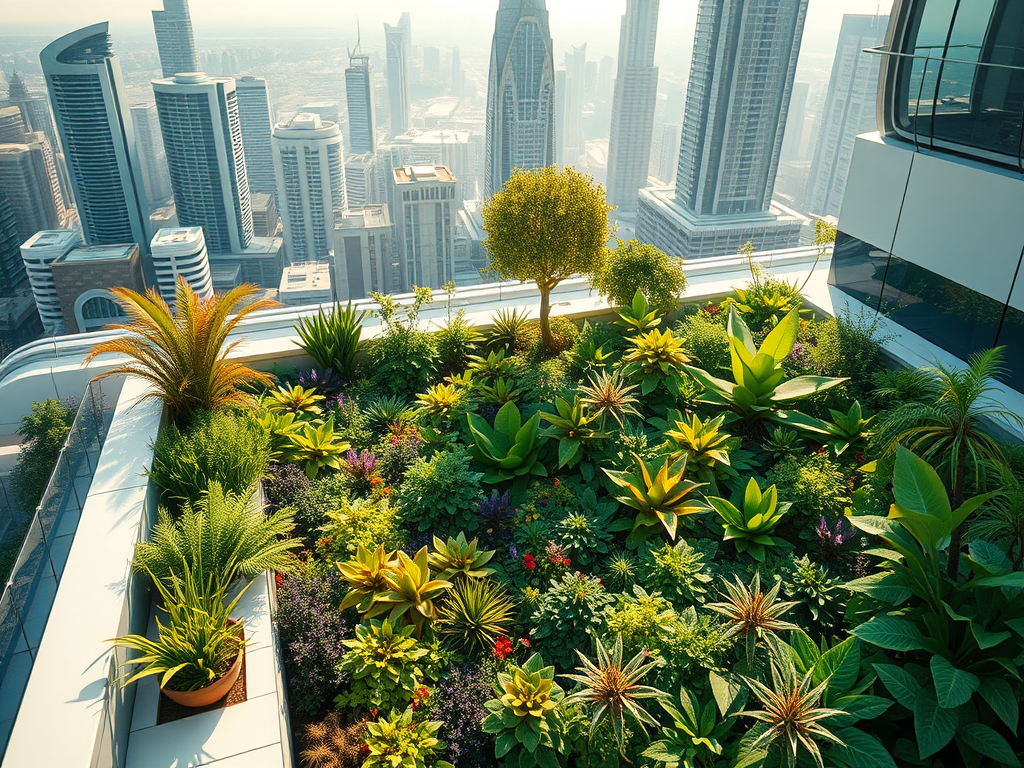
While researching, I stumbled upon the solarpunk movement—a sci-fi-inspired vision of a future where humans and nature exist in harmony. Unlike eco-brutalism, which often leans into dystopian aesthetics, solarpunk imagines utopian lush, green communities powered by renewable energy and community-driven sustainability. Picture floating villages, rooftop gardens, and vibrant ecosystems, all designed with ecological responsibility at the forefront. This vision feels like a more tangible, hopeful alternative to the romanticized Pinterest boards of eco-brutalism.
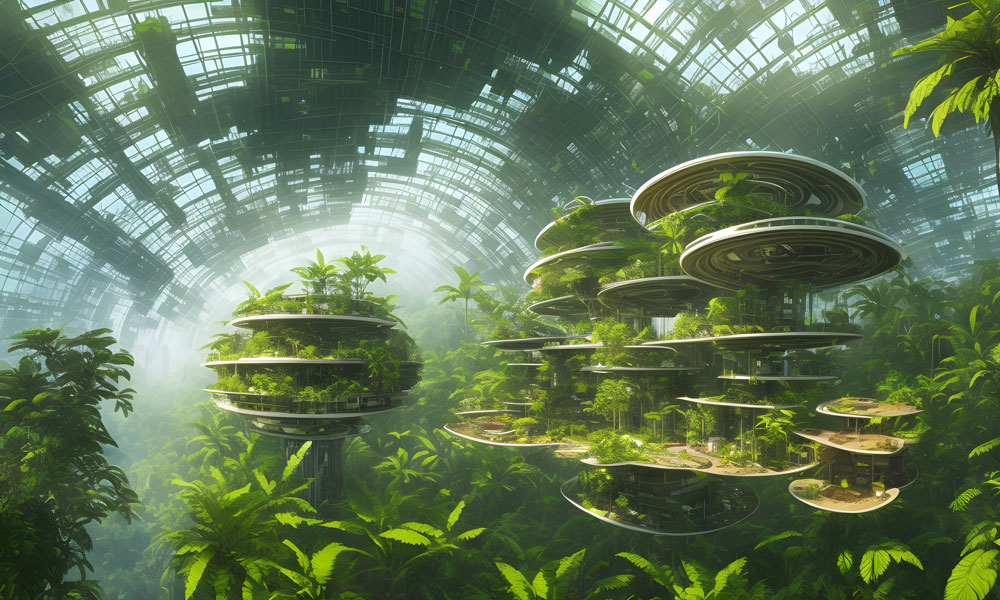
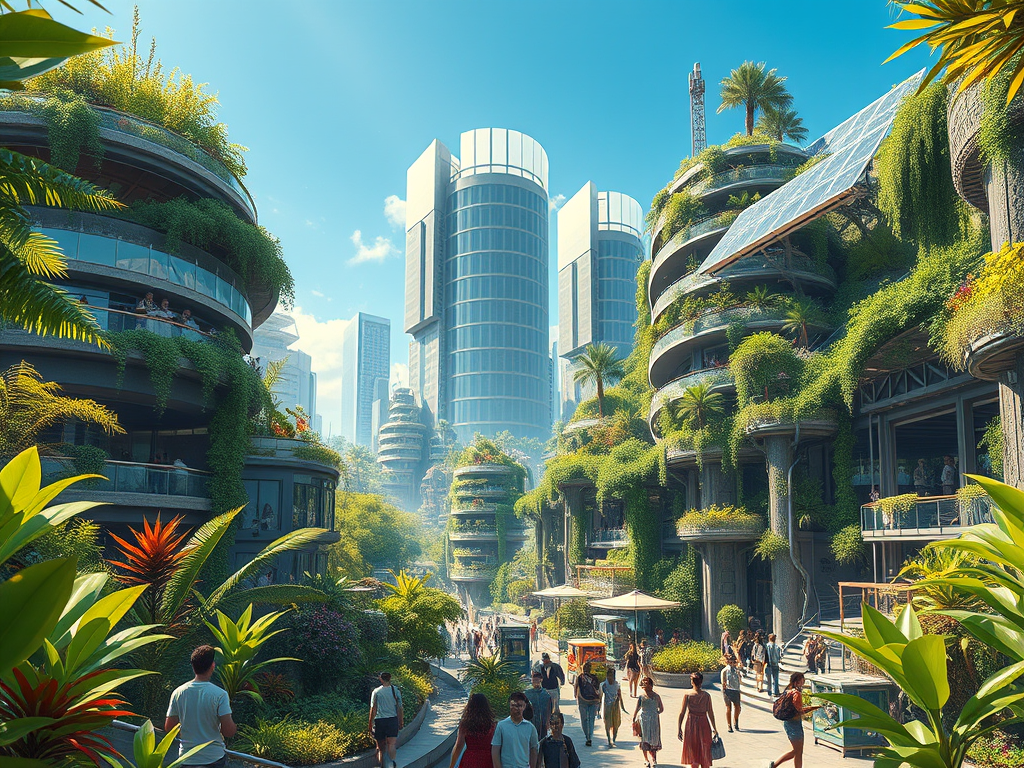

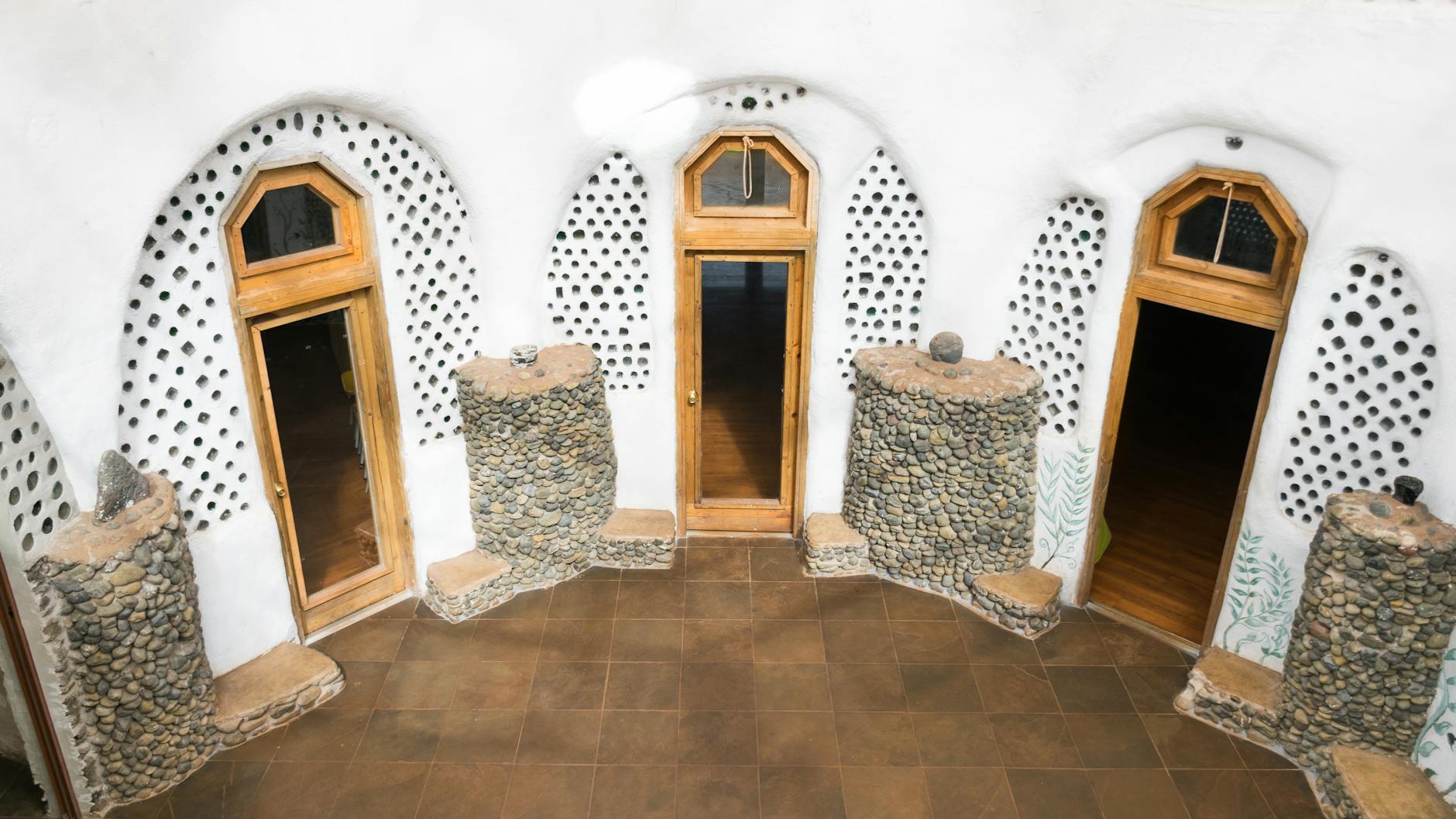
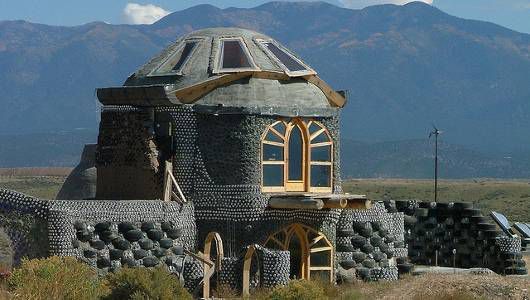
Another fascinating concept is Earthships—self-sufficient, off-grid homes designed to integrate with nature. Built from reclaimed materials like tires and glass bottles, these homes emphasize renewable energy, passive heating and cooling, and sustainable food production. They represent a more functional, holistic approach to sustainable architecture, prioritizing real-world application over aesthetic appeal.


Small steps toward a greener world
While a complete shift to eco-brutalism, solarpunk, or Earthships isn’t feasible for most of the world right now, we can integrate elements of these designs into our cities. Green rooftops, vertical gardens, and repurposed materials are all small, tangible ways to move toward a more sustainable future.
Sustainability often feels overwhelming—like an impossible task in the face of global climate crises. But change happens incrementally, through the collective effort of individuals making small but meaningful choices. It’s not about a single, perfect solution; it’s simply a numbers game.
I love daydreaming about the future—whether realistic or not. Maybe these ideas are just thought experiments, utopian dreams in a world grappling with crisis. But sometimes, imagining a better future is the first step toward building one.
 My Ecological Odyssey
Leave a comment