Discover the art of traveling with purpose. This guide is your gateway to exploring the world while leaving a lighter footprint. Learn practical tips for sustainable travel, uncover eco-friendly destinations, and connect with local cultures in meaningful ways. Because every journey can be an opportunity to protect and celebrate our planet.
The Eco-Traveler’s Guide: Sustainable Adventures for the Twenty-Something Explorer
Embarking on an adventure doesn’t have to come at the expense of the planet. Whether you’re a seasoned backpacker or new to the travel game, here’s how to explore the world while treading lightly and enriching your experience:
1. Stay in Hostels
- Why it’s great for you: Traveling solo? Hostels are a surefire way to meet new people from all walks of life. From communal dinners to game nights, they’re designed to foster connections.
- Why it’s great for the planet: Hostels are inherently eco-friendly. Their compact spaces reduce energy use, conserve water, and minimize waste. Many hostels promote carpooling, public transit, and sustainable practices like recycling programs and reusable amenities.
Some fun highlights from solo trips staying at hostels!











2. Try WWOOF’ing, Pet-Sitting, or House-Sitting
- Why it’s great for you: If hostels aren’t your thing, immerse yourself in the local lifestyle by WWOOFing (Worldwide Opportunities on Organic Farms) or house/pet-sitting. You’ll stay in unique living situations and often work alongside locals, gaining insight into their daily lives.
- Why it’s great for the planet: WWOOFing lets you actively engage with the environment—whether planting crops, tending to animals, or learning about organic farming. House and pet-sitting helps reduce reliance on large-scale, corporatized hotels, and promotes sustainable tourism.
3. Walk, Bike, or Take the Train
- Why it’s great for you: Rick Steves once described travelers as pilgrims seeking authenticity. Embrace that spirit by walking through neighborhoods, biking along scenic routes, or hopping on a train to explore the countryside. These slower modes of travel immerse you in the local rhythm.
- Why it’s great for the planet: Walking and biking are zero-emission modes of transport, and trains produce significantly less CO2 than planes or cars. Plus, experiencing life as locals do often means supporting sustainable transit systems.
4. Engage with the Community
- Why it’s great for you: Community service or local engagement adds depth to your travels. Whether it’s participating in a beach cleanup, donating time to a wildlife sanctuary, or volunteering at a school, these experiences are uniquely fulfilling and foster genuine connections.
- Why it’s great for the planet: Responsible travel means leaving a place better than you found it. Giving back ensures you’re contributing positively to the environment and the community you’re visiting.

07/2024: Kefalonia, Greece – tracking sea turtle nesting path 
07/2024: Kefalonia, Greece – tracking sea turtle behavior 
11/2024: Chiang Mai, Thailand – elephant sanctuary 
11/2024: Chiang Mai, Thailand – elephant sanctuary 
11/2024: Chiang Mai, Thailand – teaching at a local Hmong school 
11/2024: Chiang Mai, Thailand – teaching at a local Hmong school
Final Thoughts
Sustainable travel isn’t just about reducing harm; it’s about enriching your journey and making it more meaningful. By prioritizing eco-friendly choices, you’ll not only protect the planet but also gain an authentic, transformative travel experience. Ready to pack your bags and take on the world responsibly? The planet’s waiting for you!
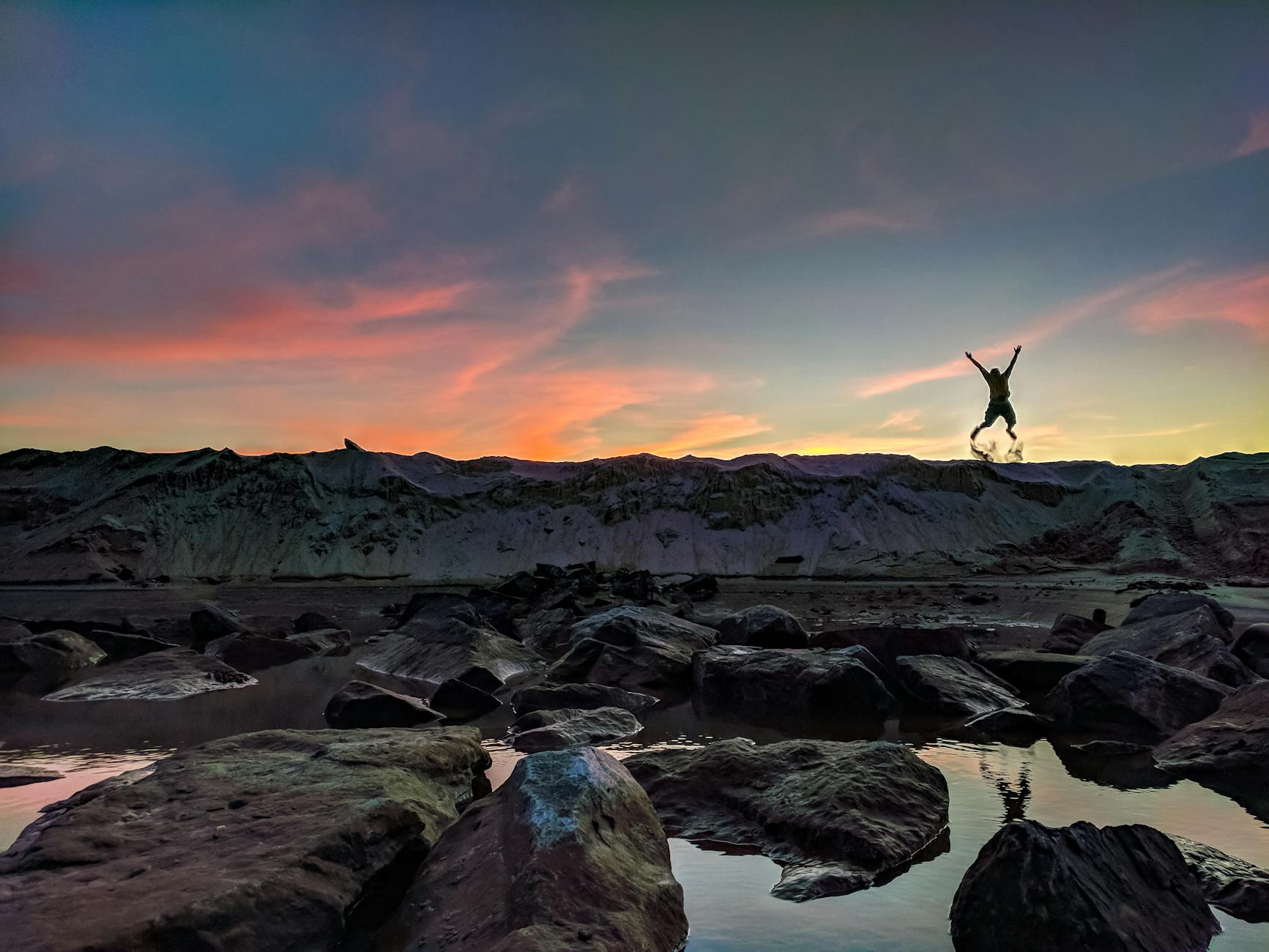
Ready to Make the Leap? Here’s How to Land Safely
Traveling sustainably also means staying safe and prepared on the road. Whether you’re exploring remote landscapes or bustling cities, being aware of your surroundings is key—especially for solo travelers. Check out my Traveler’s Safety Guide for tips and tricks from my solo adventures across multiple continents and cultures. Learn how to navigate new environments confidently while prioritizing both your safety and the planet.
 My Ecological Odyssey