

Solo travel is a transformative experience, offering independence, adventure, and cultural immersion. But with that freedom comes responsibility, especially when it comes to personal safety. To gain unique insight into this topic, I spoke with an international security expert with over a decade of experience in law enforcement, who has worked abroad and traveled extensively on her own. While her identity must remain anonymous, her experiences and advice shed light on the realities of staying safe while exploring the world.
From Psychology to Law Enforcement: A Journey into Security
Her path into law enforcement wasn’t linear. Initially studying nursing and psychology, she took a criminal forensics class that sparked her interest. That curiosity led to a master’s in criminal psychology and, ultimately, a career in federal law enforcement.
“Being in law enforcement changes the way you see the world,” she explained. “I used to ride the subway and close my eyes after a long day or get lost in a book. Now, I don’t do that. I notice things my friends don’t.”
Experiencing the World Through a Different Lens
Having worked abroad for two years, she has traveled extensively and learned firsthand how different cultures operate when it comes to safety.
“My experience overseas opened my eyes—not just to different cultures but to corruption and the way foreigners can be taken advantage of,” she said. One example? “Gringo prices.”
In many countries, tourists are charged significantly more than locals, something she quickly learned to push back against. Speaking the local language helped, but the biggest thing was simply being aware. If something feels off, trust that feeling.
Key Safety Strategies for Solo Travelers
When asked how travelers—especially women—can apply law enforcement strategies to assess risk, she had several key insights:
1. Transportation is Everything
“Transportation is very important,” she emphasized.
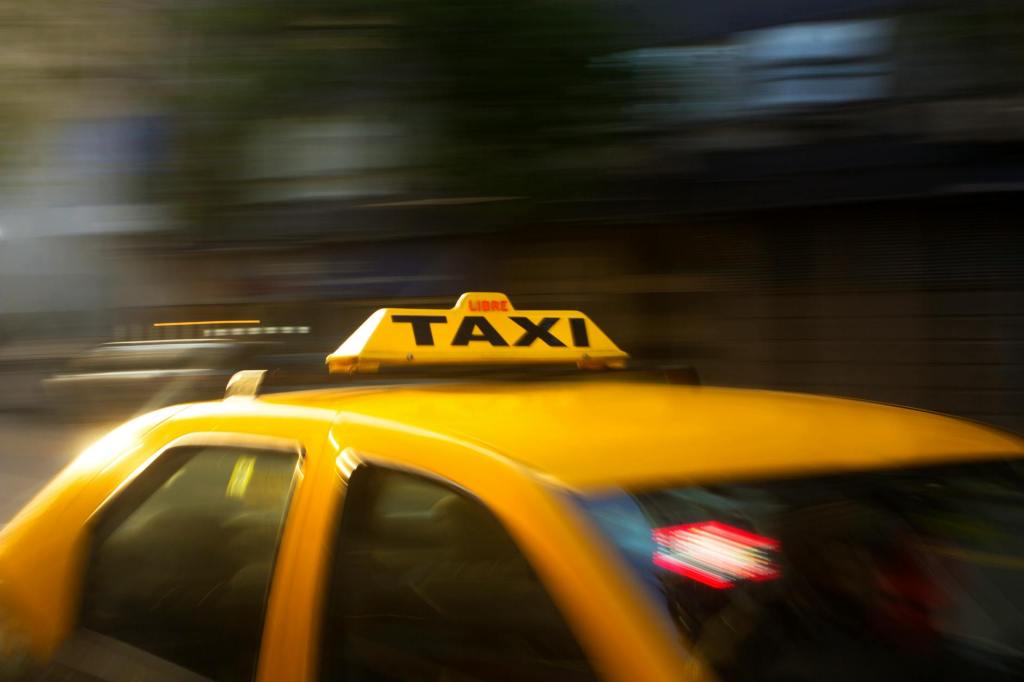
- Avoid unmarked cabs or aggressive drivers shouting, “Taxi!” in airports. They often prey on exhausted tourists.
- Use official airport taxis, ride-share apps like Uber, or your accommodation’s transportation service when possible.
- If unsure, ask an airport agent where to find legitimate transportation.

2. Situational Awareness is Non-Negotiable
“Be aware of your surroundings,” she said. It sounds simple, but too many people ignore this.
- Share your location with friends or family and check in daily.
- Watch for small scams—someone bumping into you, placing their belongings too close to yours, or being overly friendly can be distractions before a robbery.
- Never assume you blend in. “If you don’t think people notice you’re alone, you’re being naive. They can tell.”

3. Be Wary of Food, Drinks, and Unsolicited Conversations
“Both men and women are targeted. If you’re American, they know—even if you don’t look it.”
- People pick up on how you walk, talk, dress, and even eat.
- Be cautious of overly friendly strangers. In some scams, attractive locals befriend travelers to gain their trust before taking advantage of them. And men aren’t exempt from being targeted either. In fact, she has seen many men fall into scams where an attractive woman lures them in, only to take advantage of them later.
- Political discussions can be a trap. “People love asking Americans about politics, but counterintelligence is real. Don’t put yourself in danger by oversharing.”
- “Everybody knows you’re American” – Doesn’t matter if you’re ethnically Hispanic in a Hispanic country, ethnically Asian in an Asian country, the perception about Americans is that we are rich and “have it all.”

4. If It Escalates, Know When to Comply and When to Fight
“Whenever you can avoid escalating a situation, that’s what you want to do.”
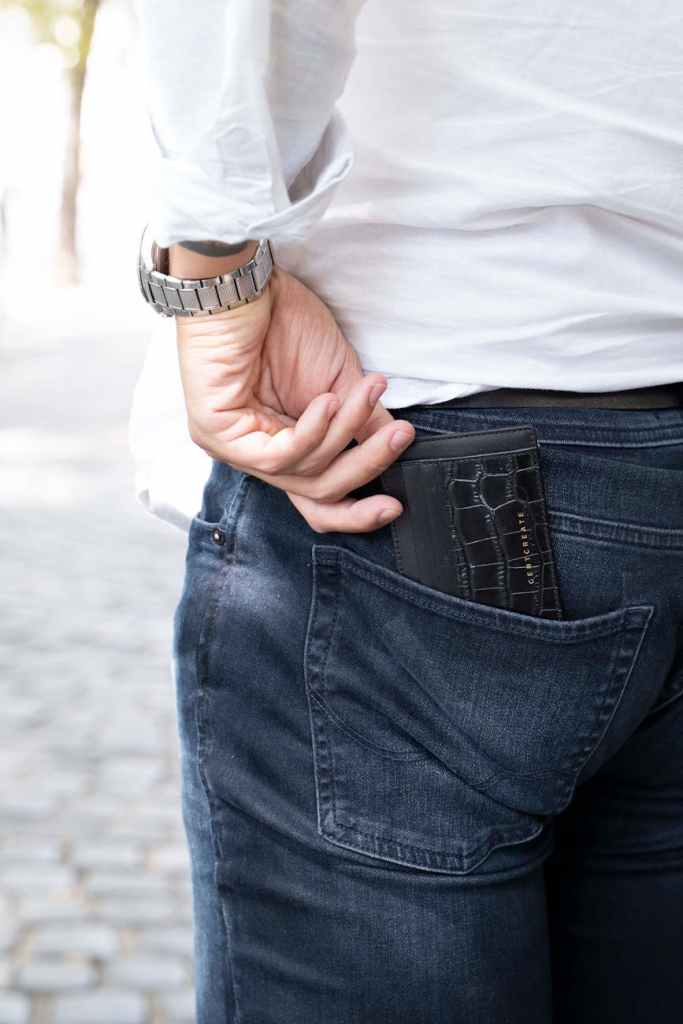
- If someone demands your wallet or phone and you’re at risk of being harmed, give it to them. No item is worth your life.
- But the moment someone tries to force you to go with them, “fight as hard as you can fight and harder than you ever thought you could. Most of the people that get taken for ransom don’t make it back.”
- This applies everywhere, not just abroad.
Finding the Balance: Staying Safe Without Losing the Joy of Travel
Despite the risks, she encourages women to embrace travel—but to do so wisely.
“There are some things that are unavoidable whether you’re here or there, that’s life.” Some dangers are bound to happen regardless of where you are, but awareness makes a huge difference. Be as cautious as you would in a major city. Many travelers don’t have that mindset.
Other key takeaways:
- Stay off your phone. “If you’re there, be there. Experience it, don’t be on your phone. You’ll be safer and enjoy the experience more.” In many countries, an iPhone is a luxury item, making you an instant target.
- Make connections, but be mindful. “You don’t know these people, regardless of how much time you spend with them.” Backpacking culture fosters fast friendships, but don’t let that cloud your judgment.
- Respect cultural norms. “The U.S. is modern, but other countries aren’t. Women traveling solo may be ignored, seen as weak, or even offensive to some cultures. Be prepared.”
- Every man for themselves, especially when solo. “There are some really good people out there and great experiences to be had with those people. But there are bad people in the world as well, and you can’t always assume everyone is good.” In a dangerous situation, most people would run away, not towards it.

Final Thoughts
At the end of the day, solo travel is about finding empowerment through self-reliance. Her biggest advice? Trust your street smarts, stay off your phone, keep in touch with home, be present, and enjoy meeting new people—just with a healthy dose of skepticism.
At the end of the day, you only have you! And that’s a beautiful thing, maybe the most valuable lesson I’ve learned from all my travels.
 My Ecological Odyssey
Leave a comment