When I embarked on my first solo backpacking trip in the late summer of 2023, I got exposed to many new cultures and environments across Western Europe. Below are some highlights from this trip relating to each country’s unique climate and environmental challenges.

London, UK
St. Paul’s Cathedral stands as a testament to human history, but nature weaves its story here too. Urban green spaces around this iconic landmark support pollinators and mitigate the heat island effect, proving that even in bustling cities, biodiversity has a place.
- Urban Biodiversity: London is a surprising haven for wildlife, home to over 14,000 species of flora and fauna, including foxes, parakeets, and bats. Even in the heart of the city, green spaces like Hyde Park and Regent’s Park support diverse ecosystems.
- The Thames River: Once declared biologically dead in the 1950s, the Thames is now home to 125 species of fish and even seals and seahorses, thanks to decades of conservation efforts.
- Green Roofs Movement: London has over 700 green roofs, covering more than 175,000 square meters. These roofs reduce urban heat, support pollinators, and improve air quality.
- Climate Challenges: London faces increased risks of flooding due to rising sea levels. The iconic Thames Barrier is a critical defense mechanism protecting the city.
Nice, France
The iconic pebble beaches of Nice, formed by ancient glacial rivers, are more than a stunning backdrop—they help prevent erosion and protect the coastline. As climate change intensifies, preserving these natural barriers is key to safeguarding the French Riviera’s charm and biodiversity.
- Mediterranean Biodiversity: The waters around Nice are part of the Mediterranean basin, one of the world’s most significant biodiversity hotspots, hosting over 17,000 marine species.
- Pebble Beaches: Unlike sandy beaches, Nice’s pebble beaches are more resilient to erosion, making them a natural protector against rising sea levels.
- Green Initiatives: Nice is implementing sustainable urban development, including eco-friendly public transportation, tree planting, and green building projects to combat urban heat.
- Flora and Fauna: Nice is surrounded by unique Mediterranean vegetation, including olive trees, cypresses, and aromatic herbs like lavender. These plants play a vital role in sustaining pollinators, crucial for local ecosystems.

Florence, Italy
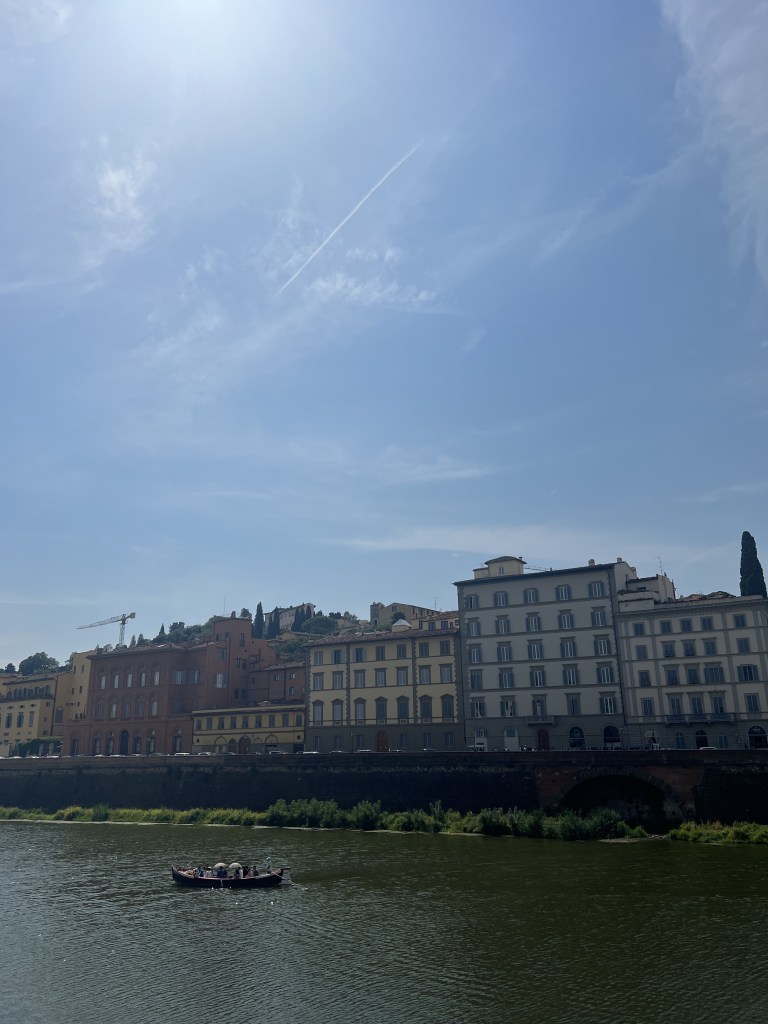
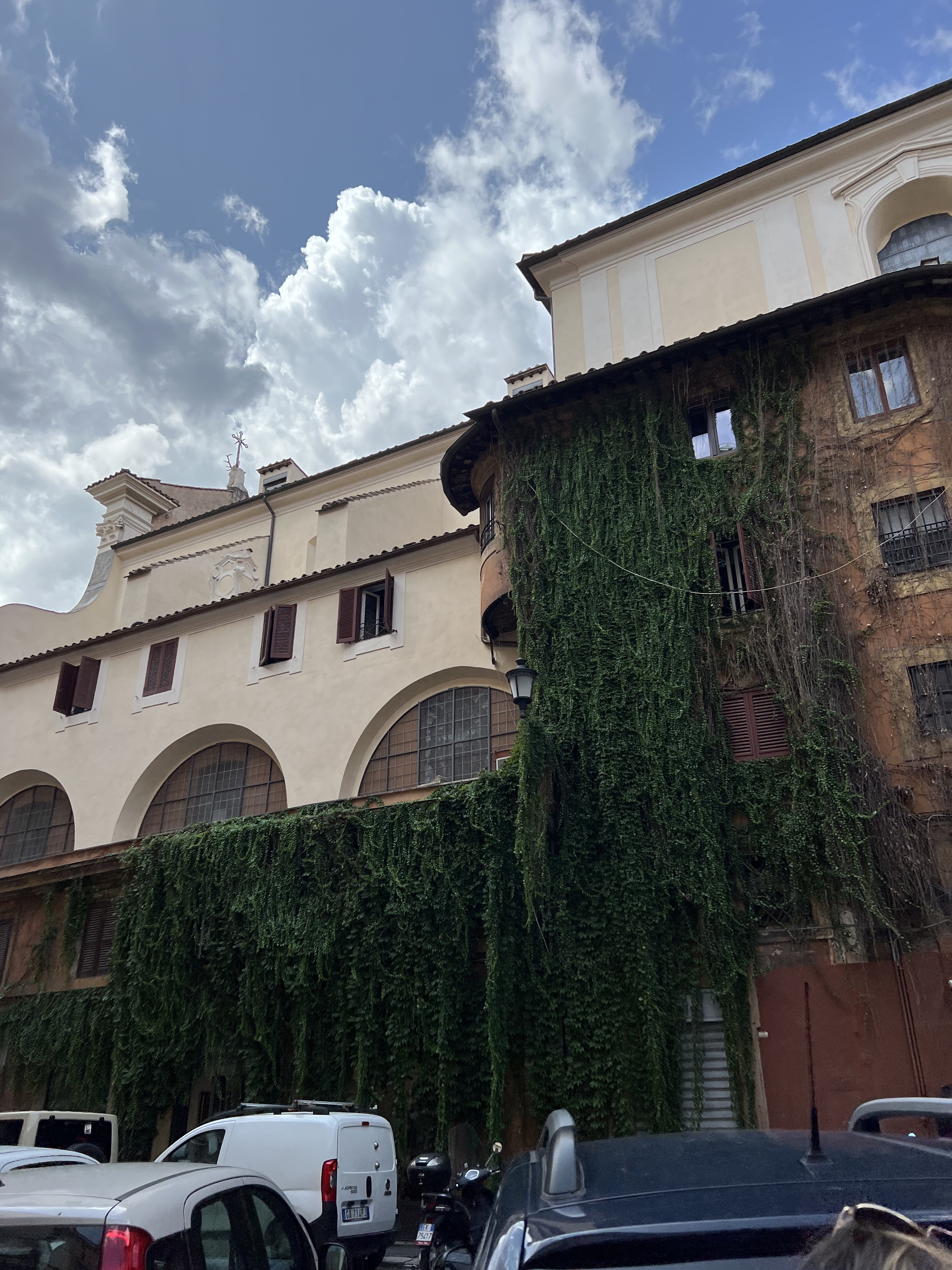
Florence’s Arno River and its surrounding greenery breathe life into the city, offering a stark contrast to its historic stone facades. The lush plants climbing the buildings and green spaces scattered across the city are more than aesthetic—they combat urban heat, improve air quality, and support local biodiversity, even amidst Renaissance grandeur.

Positano, Italy
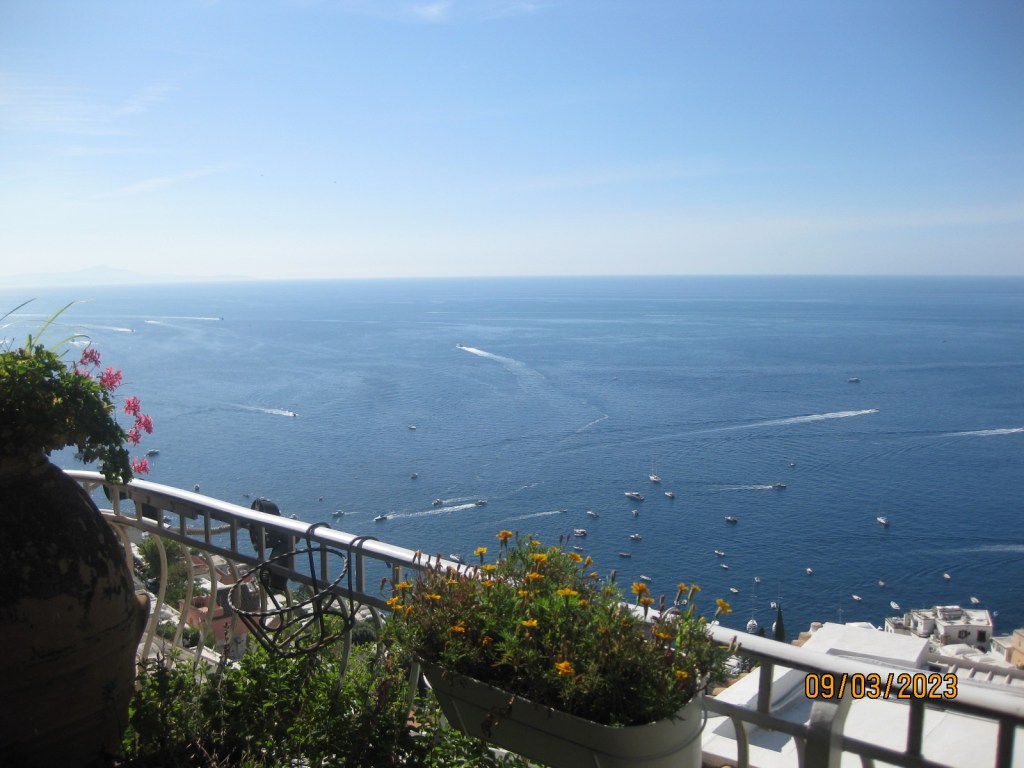
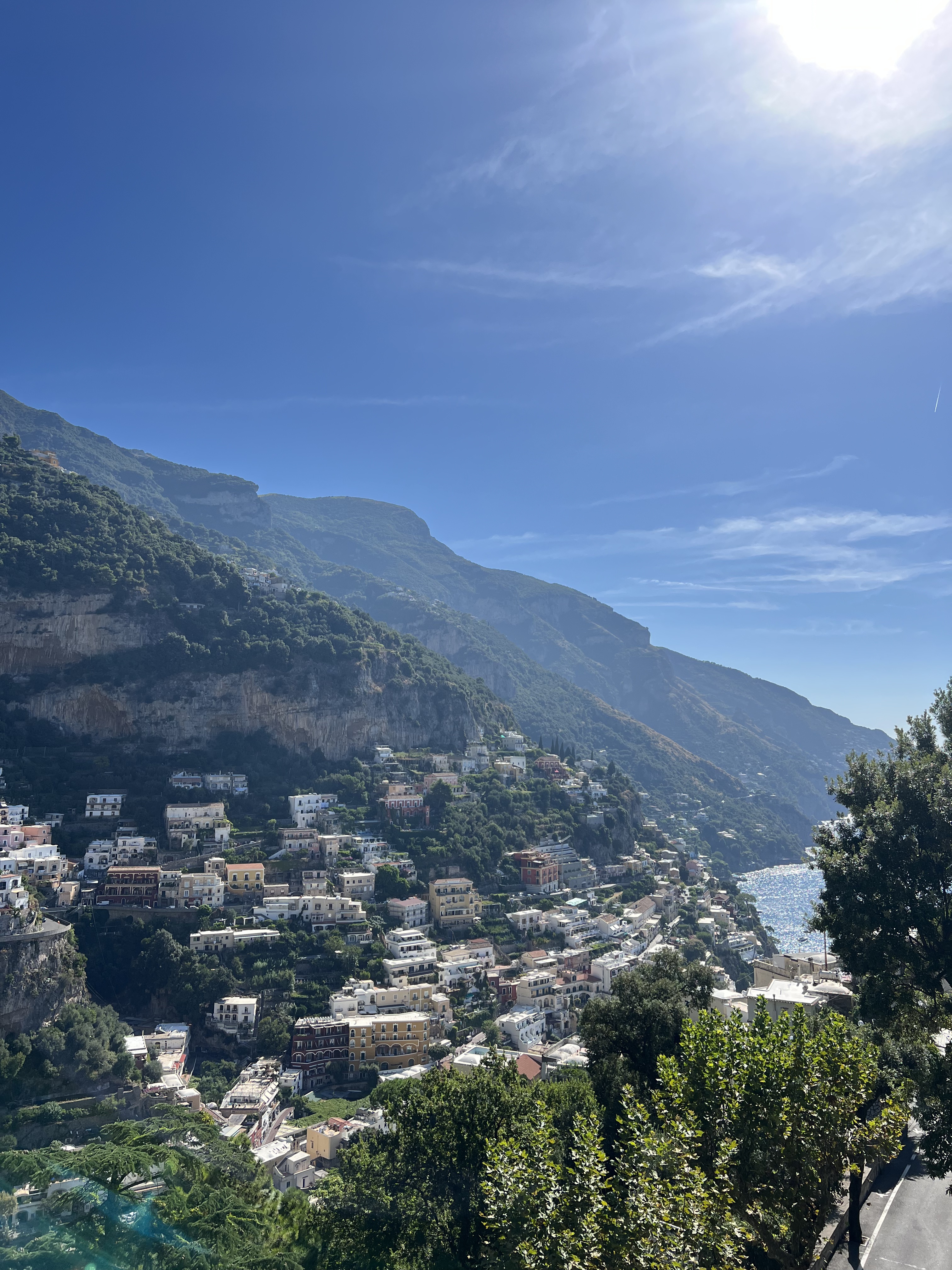

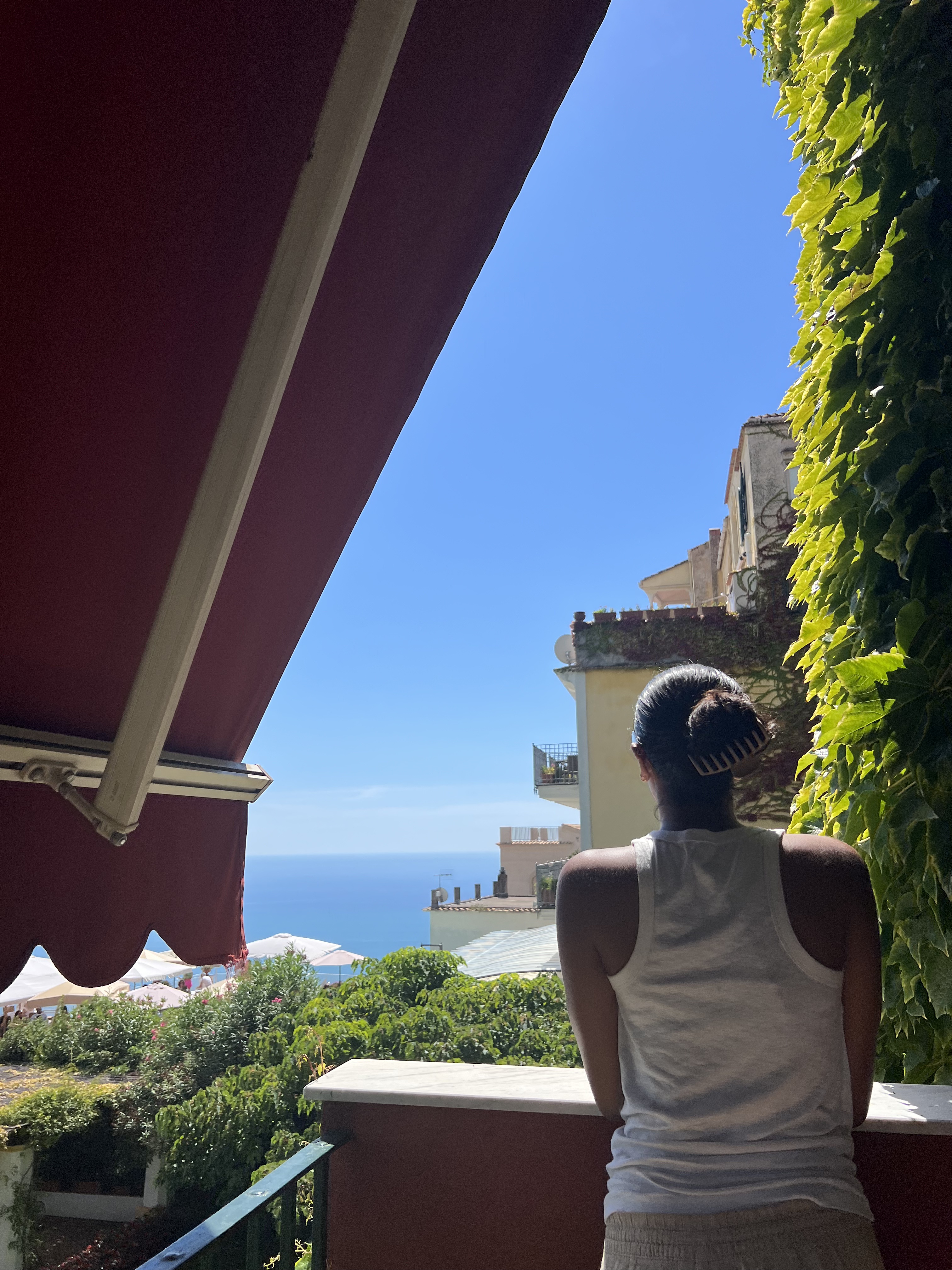
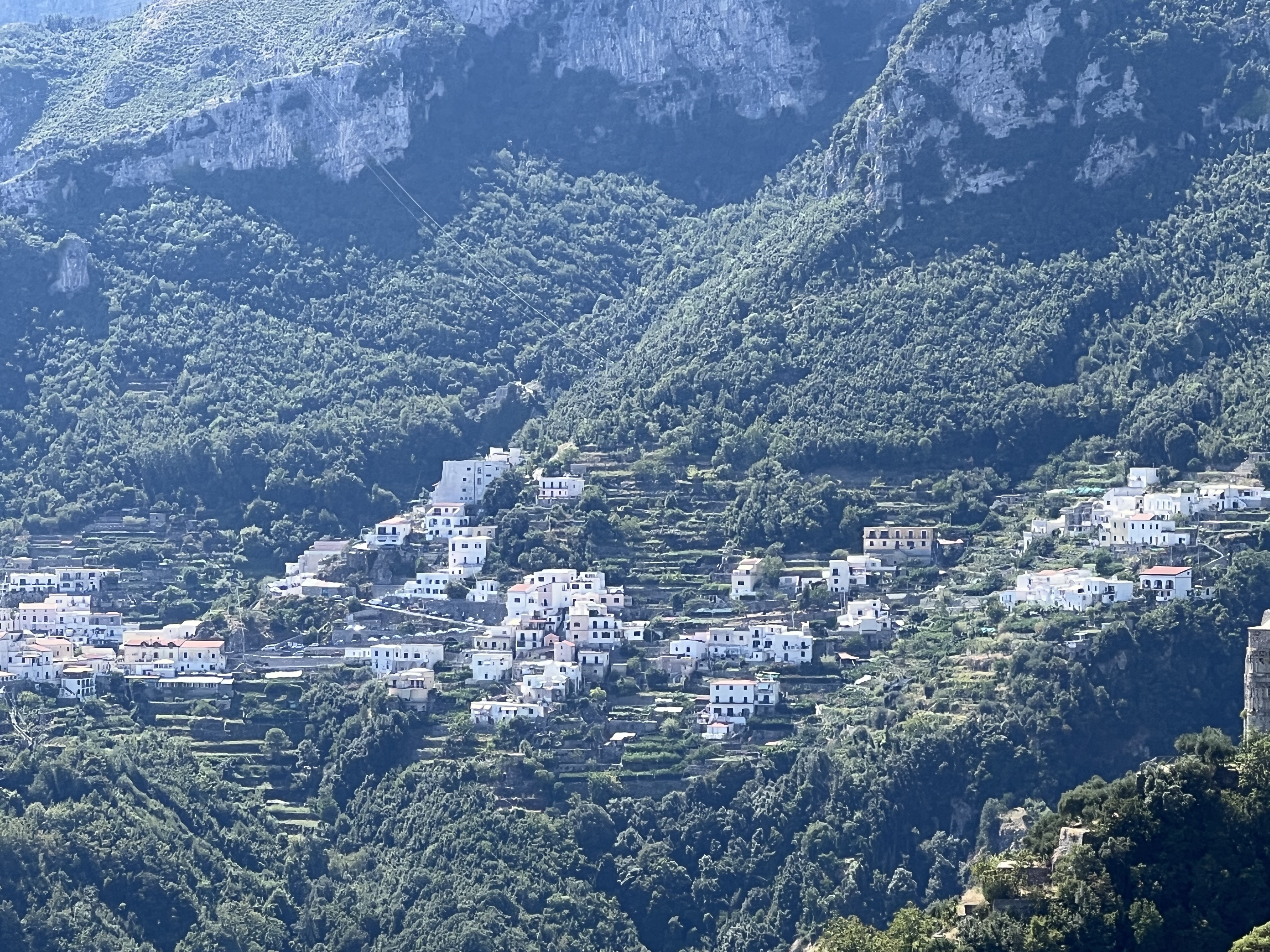
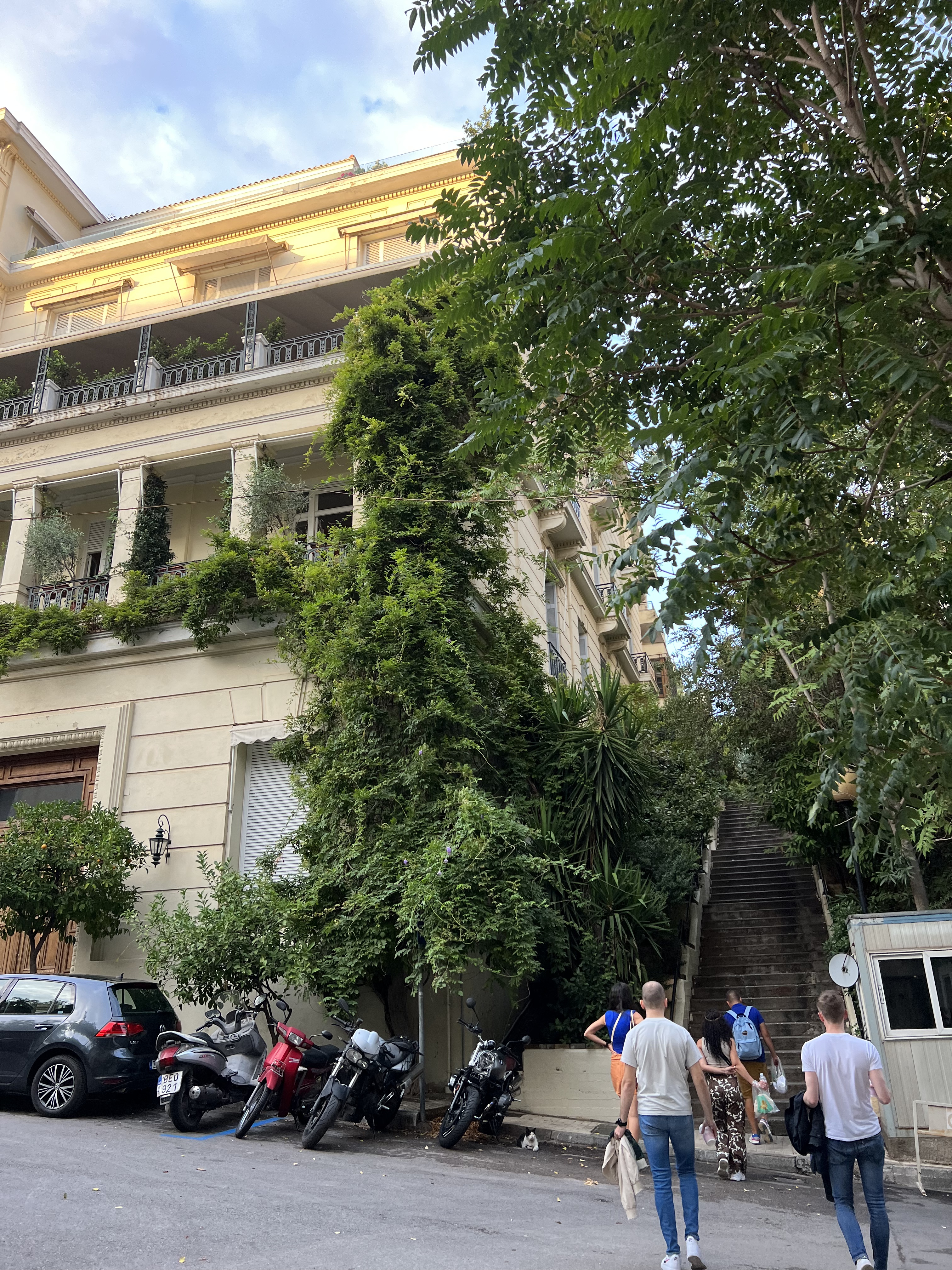
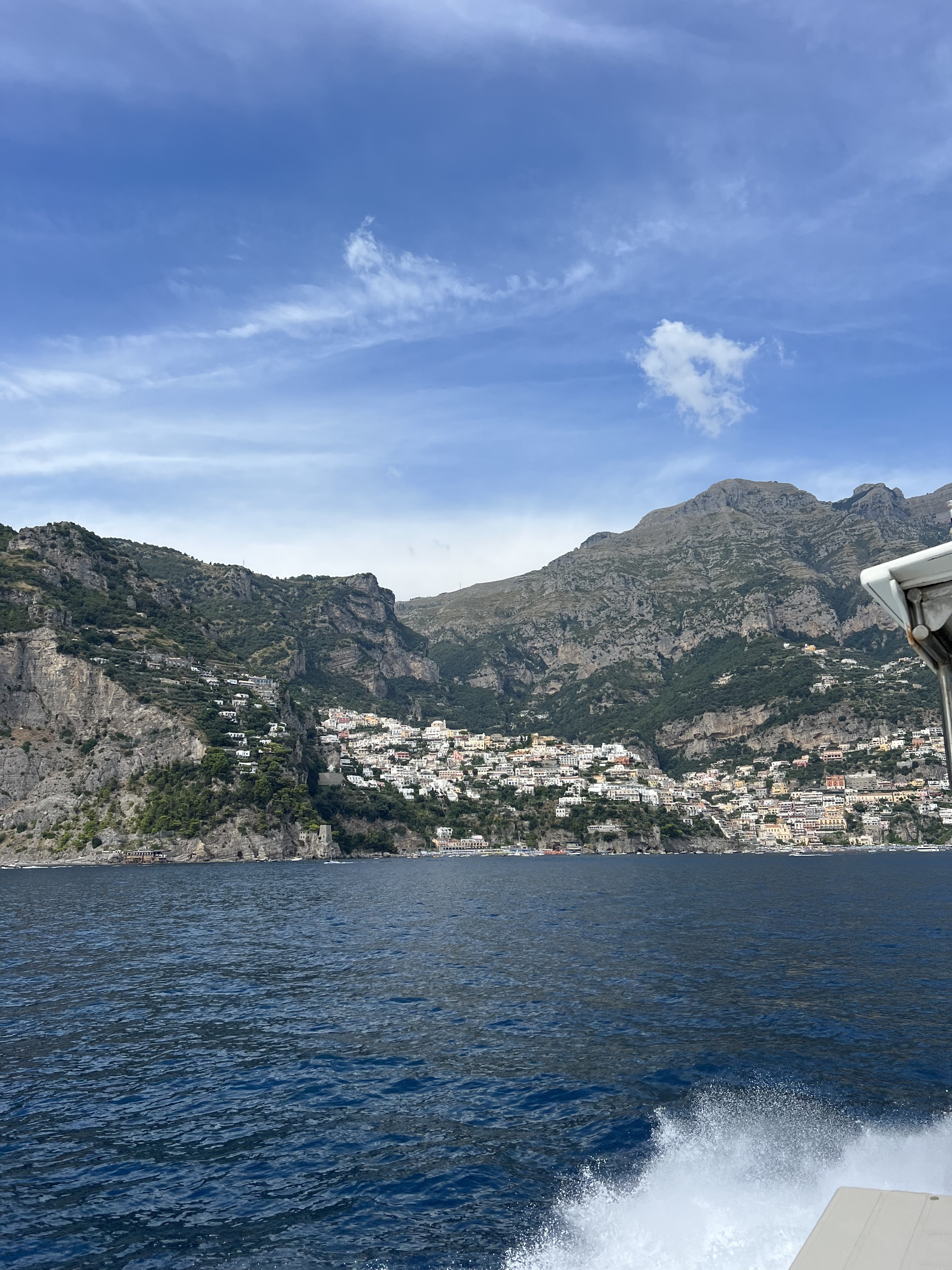
The dramatic hills of Positano are not just a feast for the eyes—they’re home to terraced lemon groves, olive trees, and vibrant Mediterranean flora. These steep landscapes, shaped by centuries of human ingenuity, highlight the delicate balance between natural ecosystems and sustainable living in this coastal paradise.
Fun Facts About Positano
- Terraced Farming: The hills of Positano feature centuries-old terraced farms that prevent soil erosion and support local agriculture, especially lemon and olive cultivation.
- Mediterranean Biodiversity: The Amalfi Coast, including Positano, is part of a UNESCO World Heritage Site, boasting rich biodiversity such as Aleppo pines, rock roses, and rare orchids.
- Climate Resilience: The Mediterranean climate here, with its hot summers and mild winters, supports a range of unique flora. However, climate change poses challenges, including rising temperatures and shifting growing seasons for traditional crops.
- Pollinator Paradise: The hills are alive with bees and butterflies, essential for pollinating the region’s famous lemon trees used in making limoncello.

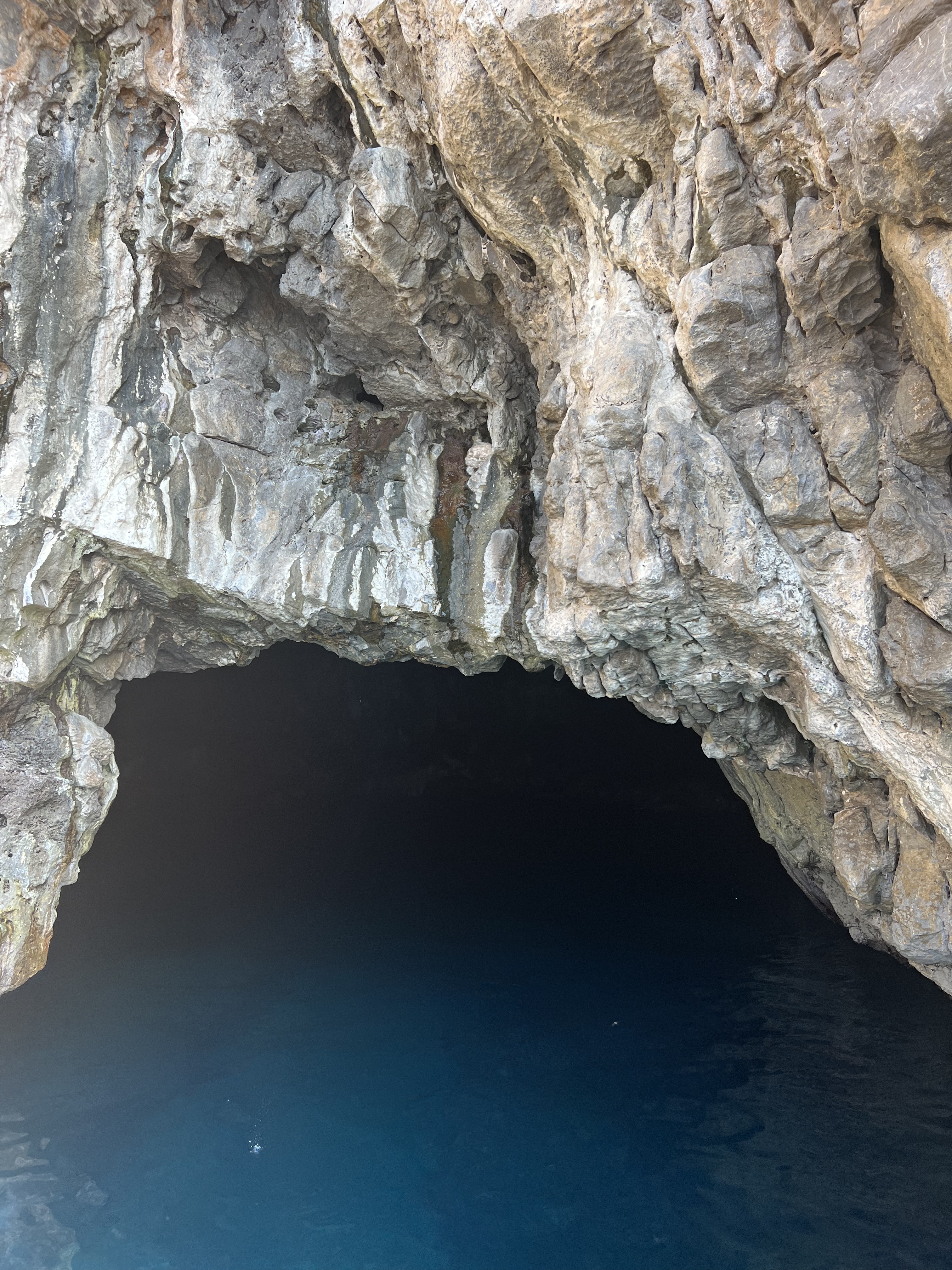
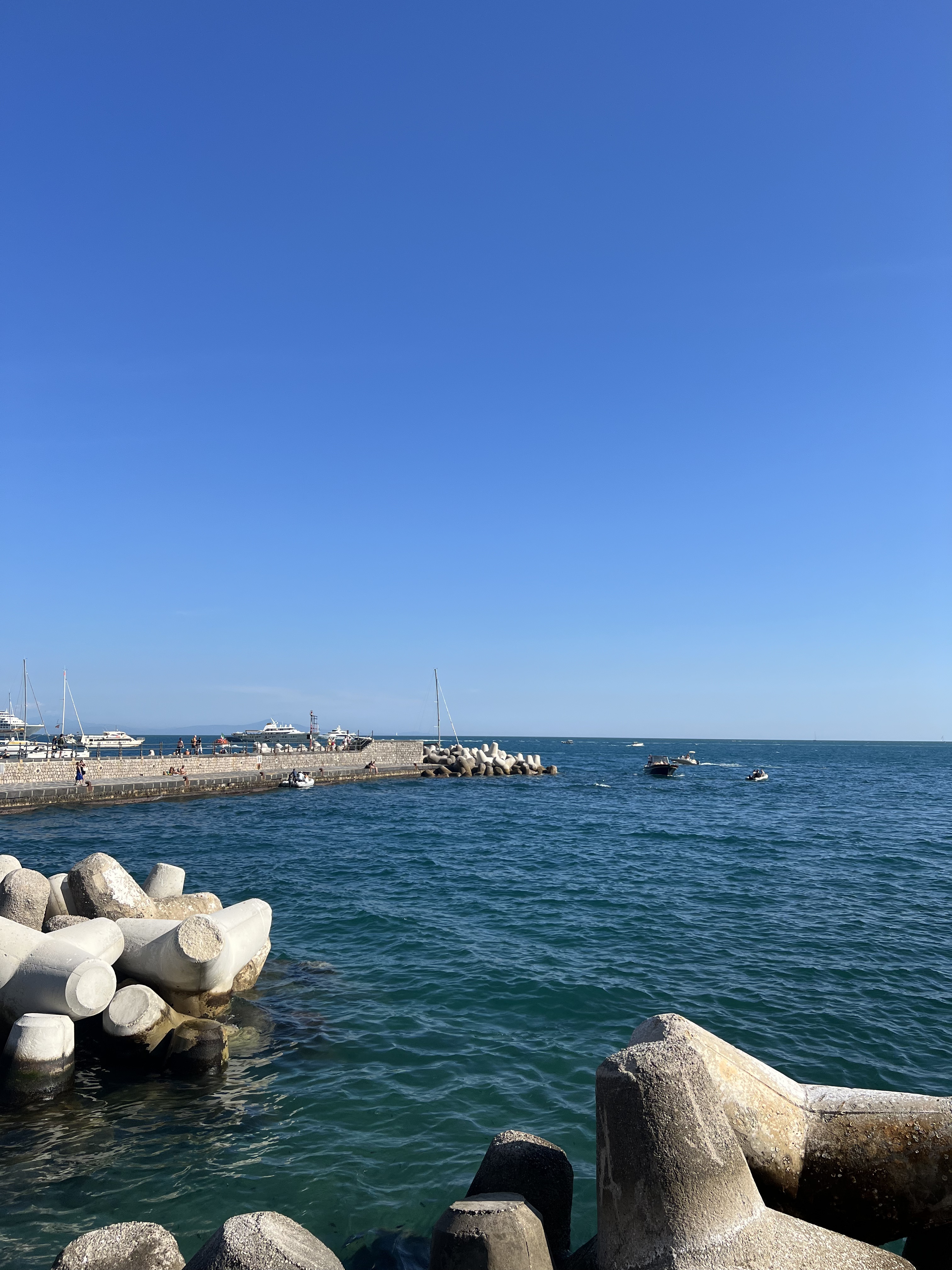
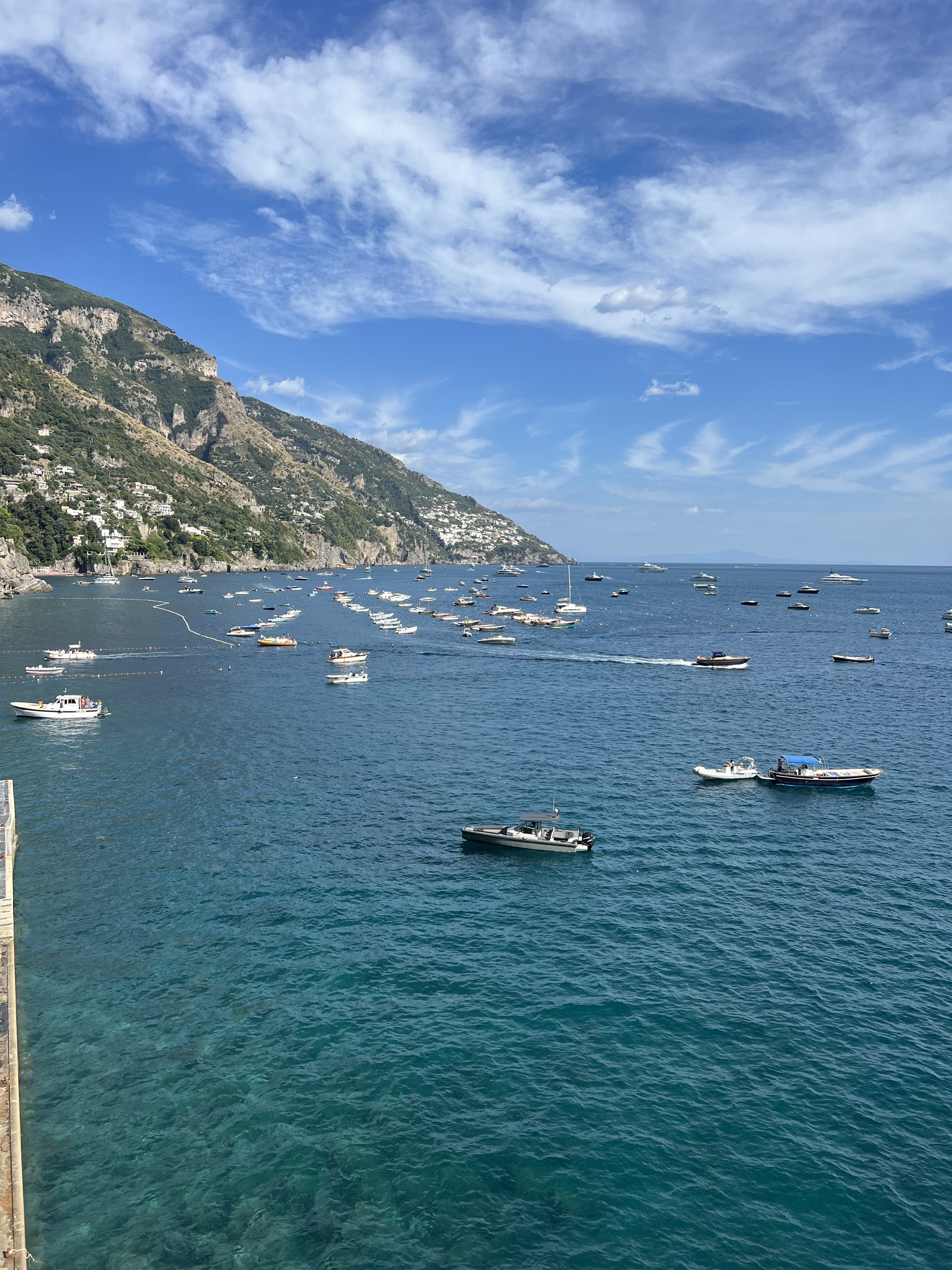
The crystal-clear waters of Positano hold secrets beneath their shimmering surface, including hidden caves and vibrant marine life. These coastal ecosystems, shaped by millennia, are vital habitats that highlight the Amalfi Coast’s natural beauty and the need to protect our seas.
- Marine Biodiversity: The waters around Positano are home to vibrant marine species, including groupers, moray eels, octopuses, and colorful corals. These ecosystems are part of the Mediterranean basin, a biodiversity hotspot.
- Sea Caves: Positano’s coastline features several sea caves, such as the Emerald Grotto (Grotta dello Smeraldo). These caves often have unique ecosystems, with underwater stalactites and occasional bioluminescence from marine organisms.
- Climate Impacts: Rising sea temperatures and overfishing threaten the delicate balance of marine life in the region. Coral bleaching and declines in fish populations have already been observed.
- Positano’s Role: Local efforts, including marine protected areas along the Amalfi Coast, aim to preserve the underwater world through sustainable tourism and fishing practices.



Mykonos, Greece

The iconic whitewashed streets of Mykonos aren’t just beautiful—they’re a clever adaptation to the island’s hot, sunny climate. These narrow roads and bright facades help keep the island cool while reflecting the charm of centuries-old Cycladic design.”
Climate Challenges: Mykonos is experiencing longer, hotter summers due to climate change, intensifying the need for sustainable water management and energy-efficient practices on the island.
Climate Adaptation: The white paint on buildings reflects sunlight, helping to reduce heat absorption and keep homes and streets cooler during scorching summers.
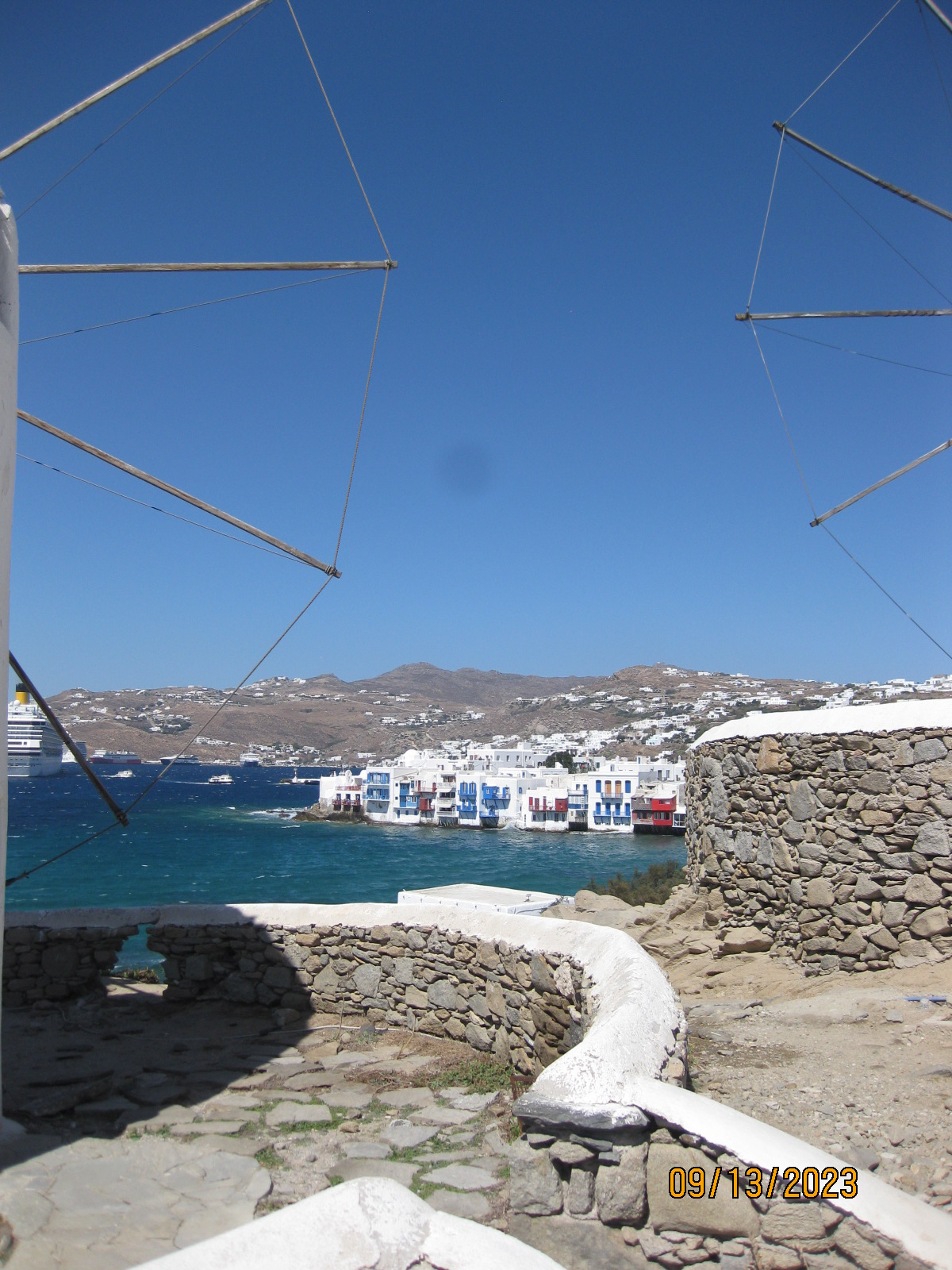

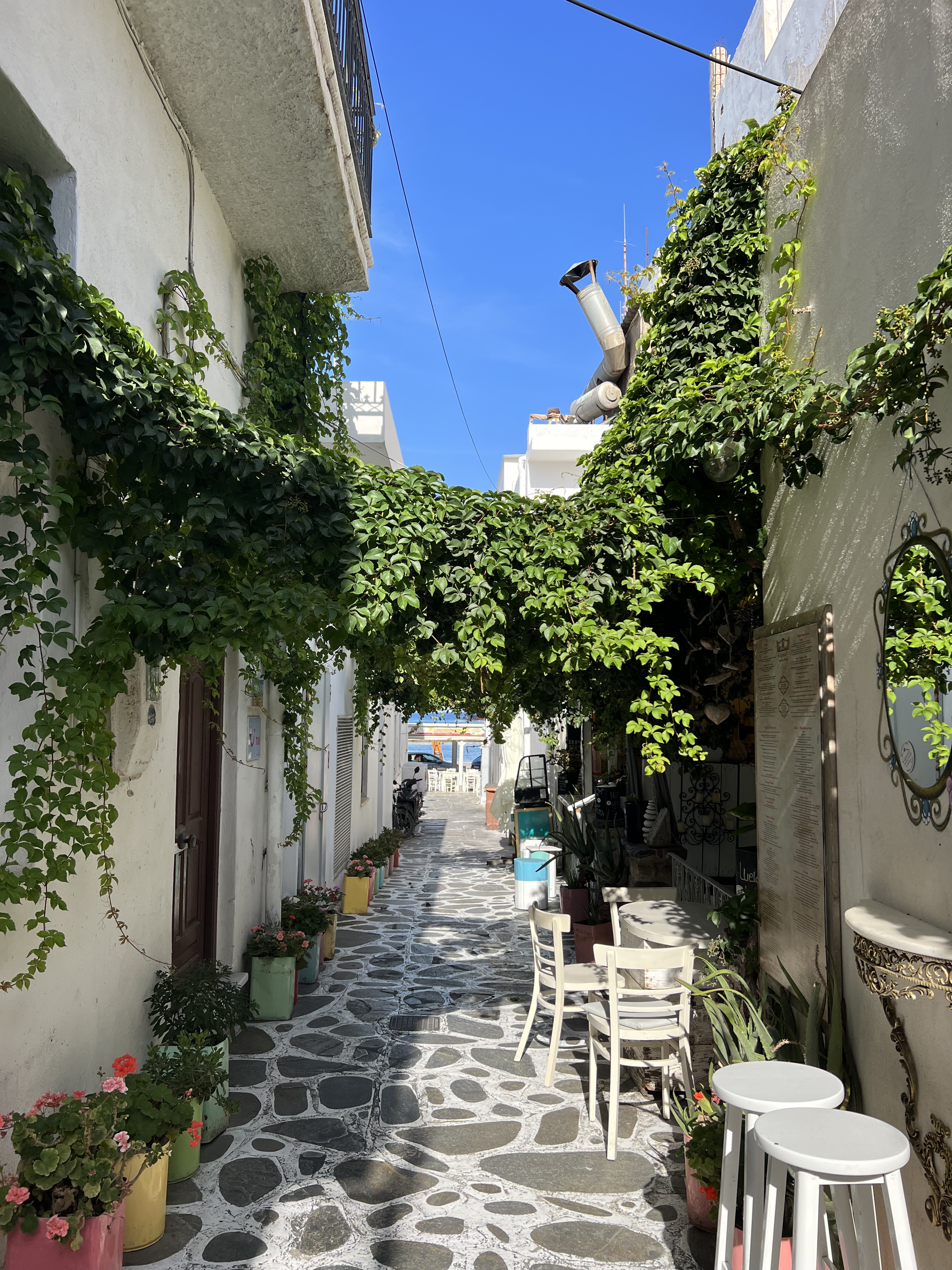
Sustainable Design: The maze-like streets were historically designed to block strong Aegean winds and confuse potential invaders, but today they contribute to natural ventilation and climate comfort.
Green Spaces: While limited, small gardens and potted plants in these winding streets provide important habitat for pollinators and a touch of biodiversity in the urban landscape.


As the sun sets over Mykonos, the sky fades into soft hues of orange and pink, mirrored in the calm Aegean waters. These waters, warmed by rising temperatures, are home to marine life that thrives in the Mediterranean but faces increasing pressures from climate change. The beauty of this landscape is a reminder of the delicate balance between nature and the changes it faces.
Naxos, Greece

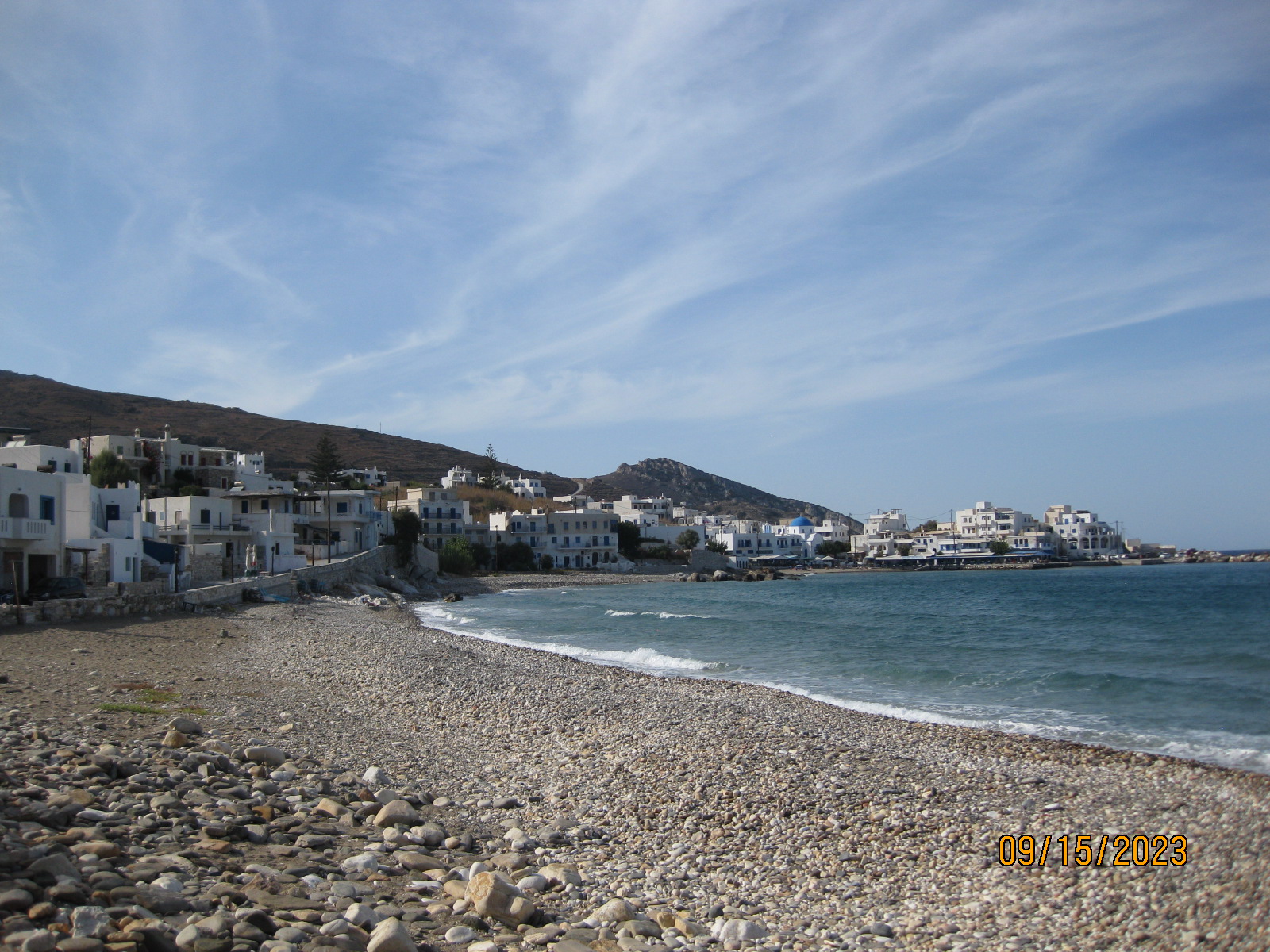
Naxos, the largest island in the Cyclades, is a land of rugged mountains, golden beaches, and fertile valleys, where strong Aegean winds shape the landscape and a Mediterranean climate sustains its rich biodiversity and ancient marble quarries.
Erosion & Rising Seas: Like many Aegean islands, Naxos faces coastal erosion and changing shorelines due to rising sea levels.
Strong Winds & Sustainability: The island is known for its meltemi winds, which help cool the land naturally and make it a potential hub for wind energy.
Rock Formations & Climate: The striking rocky landscapes, shaped by volcanic activity and erosion, are slowly changing due to climate shifts and extreme weather events.
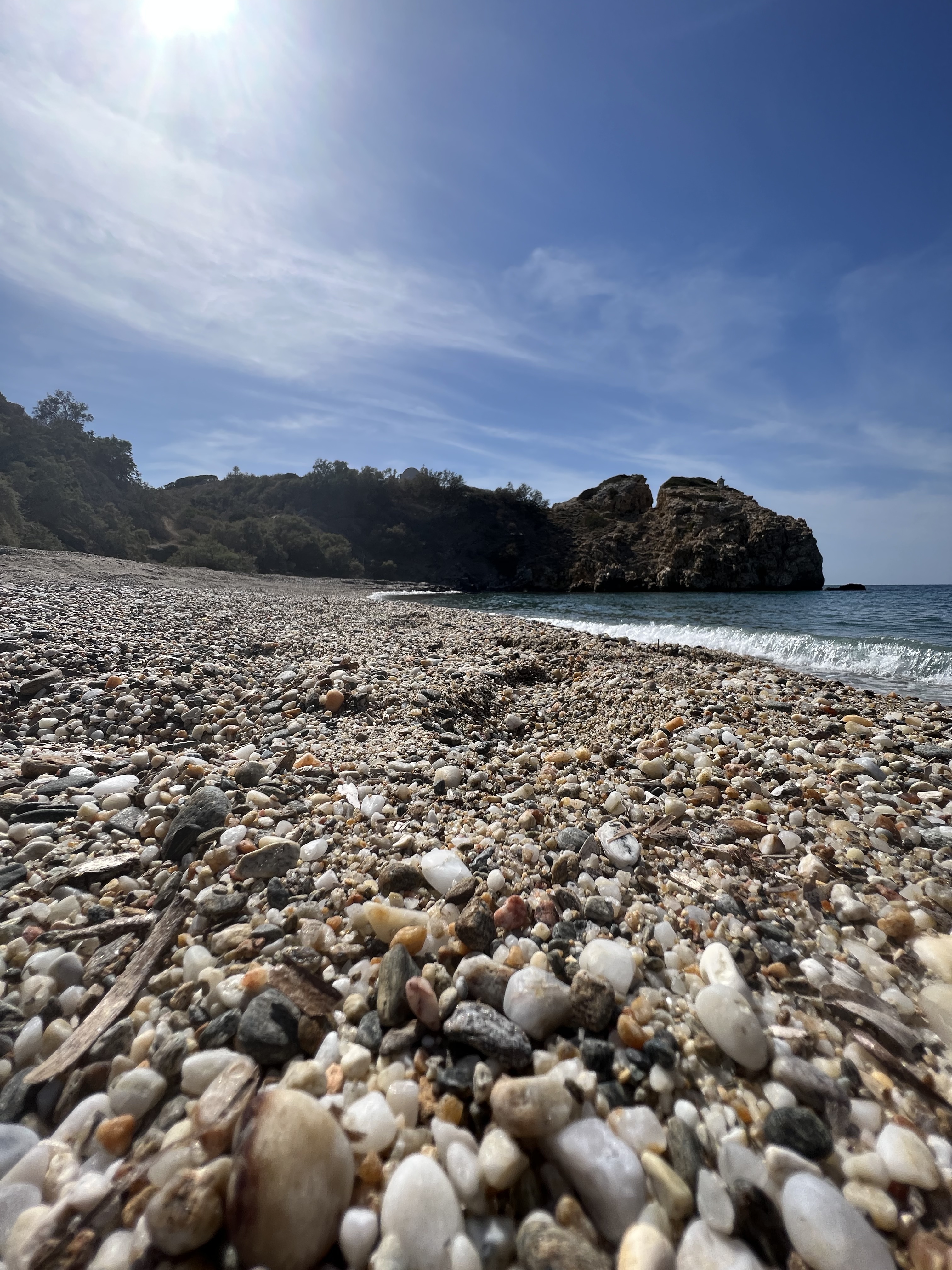

Biodiversity Hotspot: Naxos’ coastal waters host marine species like sea turtles, dolphins, and the endangered Mediterranean monk seal.
Endless Beaches: Naxos has some of the longest, most unspoiled beaches in the Cyclades, with golden sands and crystal-clear waters.


Milos, Greece
Milos, a volcanic island in the Cyclades, is known for its surreal rock formations, mineral-rich cliffs, and pristine beaches, with a unique coastline shaped by ancient eruptions and a climate that supports both rare marine life and dramatic geological landscapes.
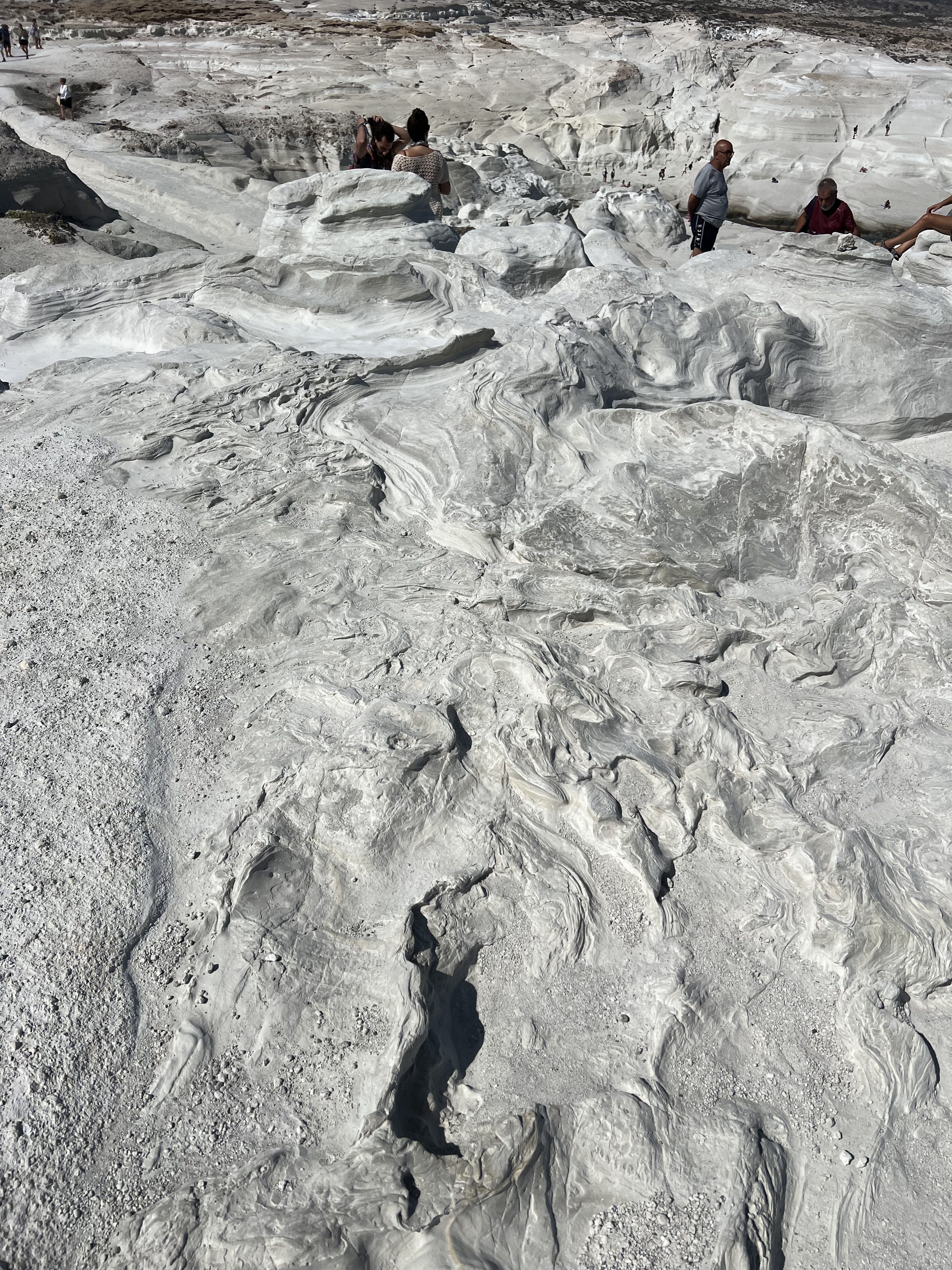
The Sarakiniko Cliffs of Milos, with their smooth, white volcanic rock formations, were sculpted over millennia by wind and waves, creating a landscape often compared to the surface of the moon. These soft pumice and tuff rocks, formed from ancient eruptions, are highly vulnerable to erosion, a process now accelerated by rising sea levels and extreme weather linked to climate change. As tourism increases and the climate shifts, preserving this otherworldly wonder becomes ever more important.
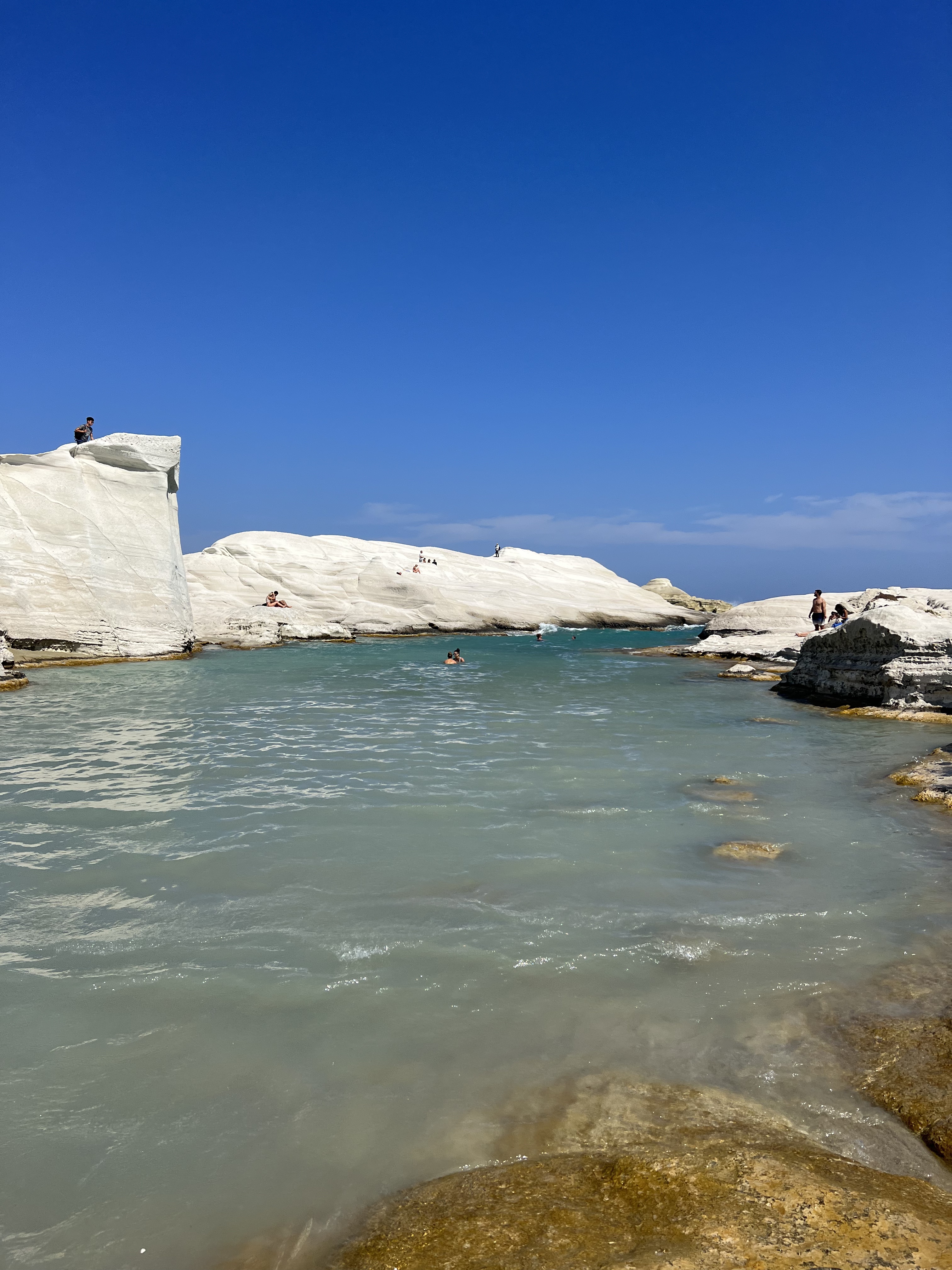
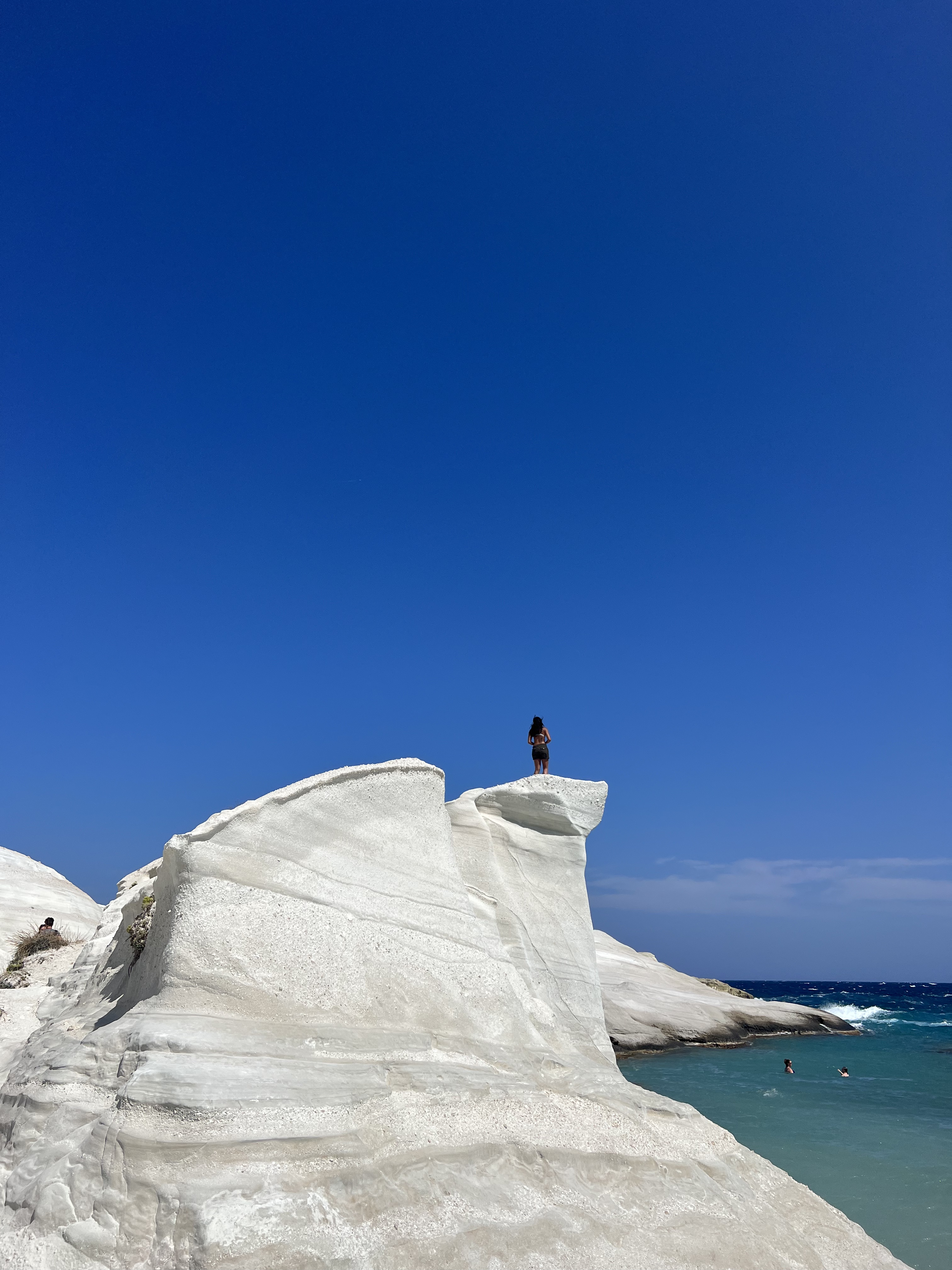


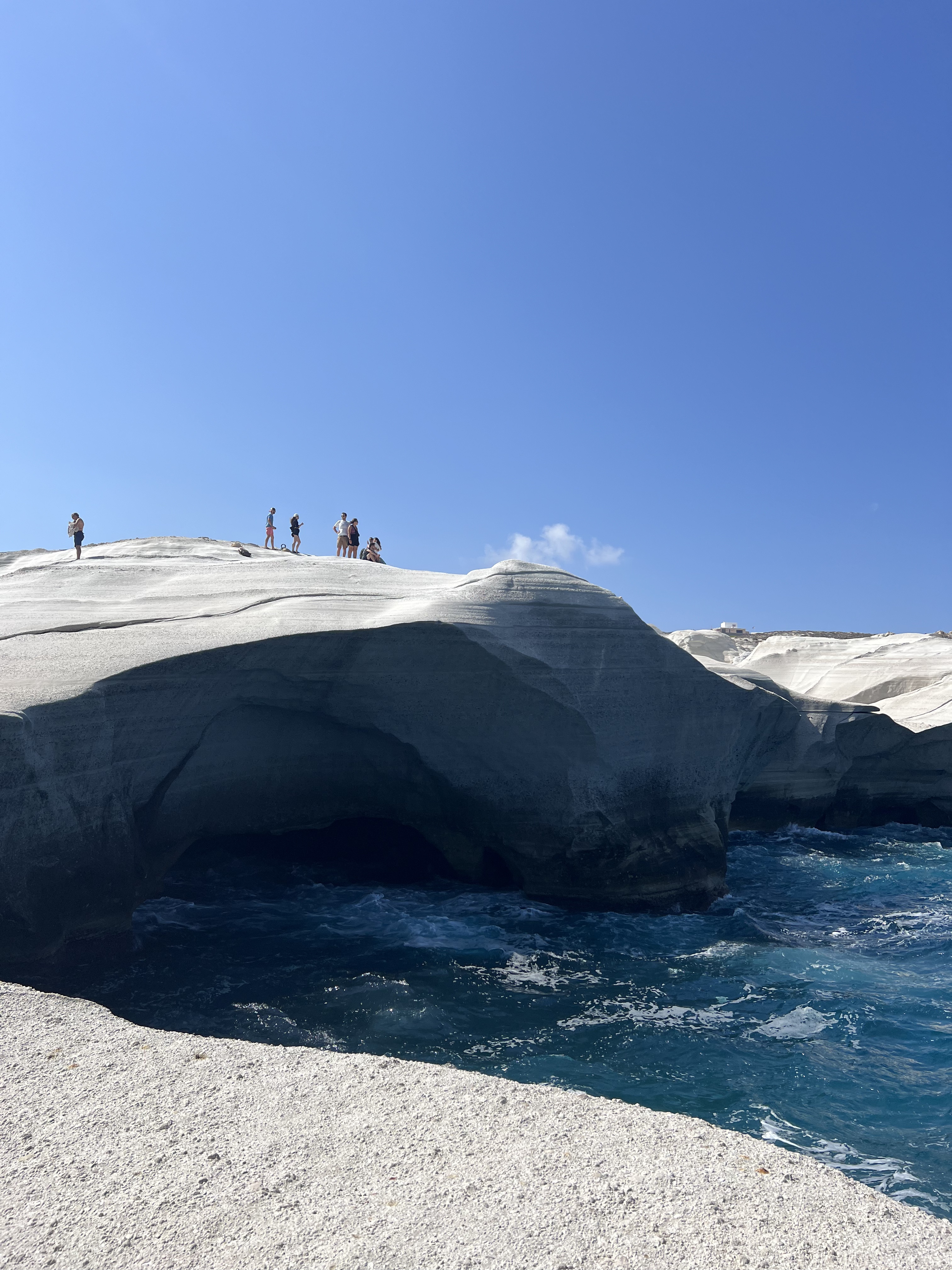
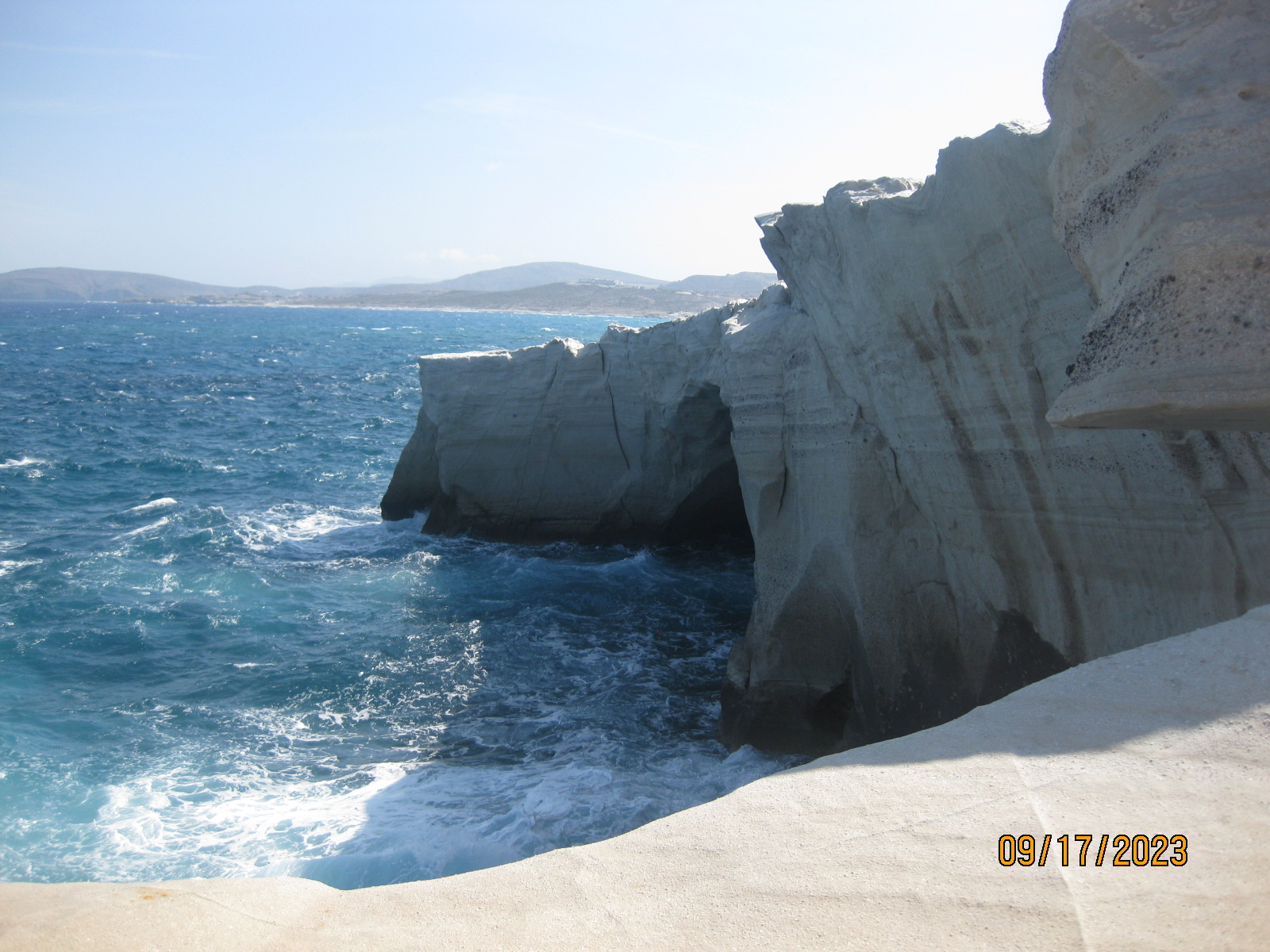
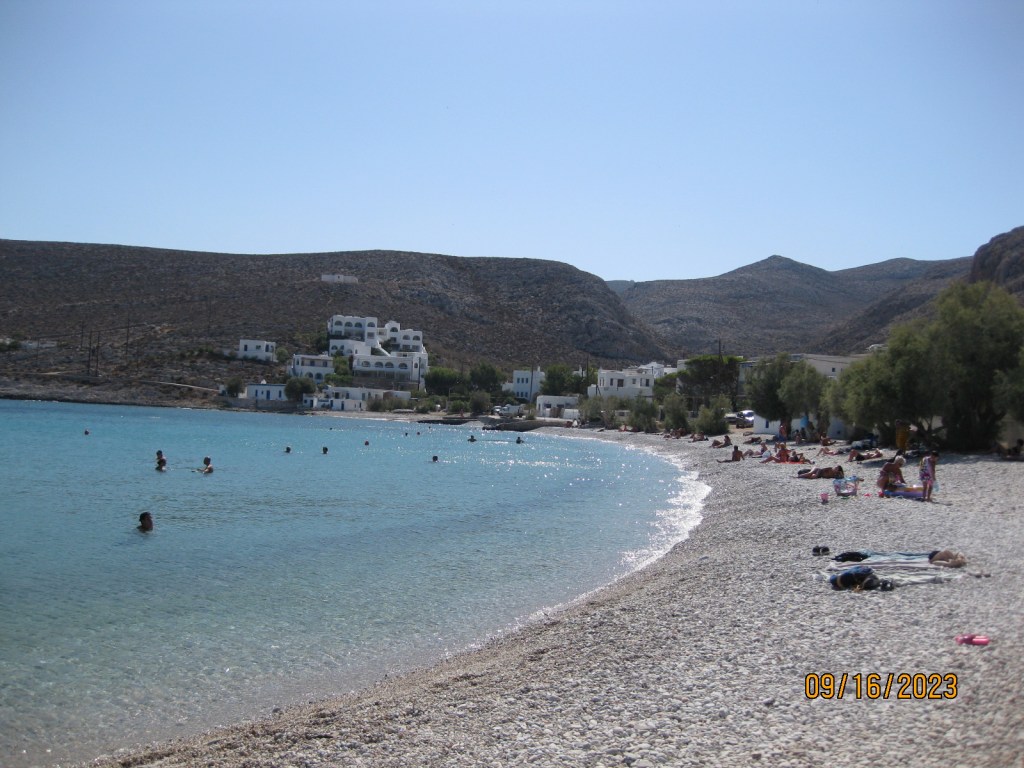
The waters around Milos are among the clearest in the Aegean, shaped by the island’s volcanic origins and rich in underwater caves, thermal springs, and diverse marine life. These turquoise seas are home to the endangered Mediterranean monk seal, as well as vibrant coral ecosystems that are increasingly at risk due to warming ocean temperatures and human activity. Rising sea levels and shifting marine conditions threaten the delicate balance of this biodiverse habitat, making conservation efforts crucial for protecting Milos’ natural beauty.
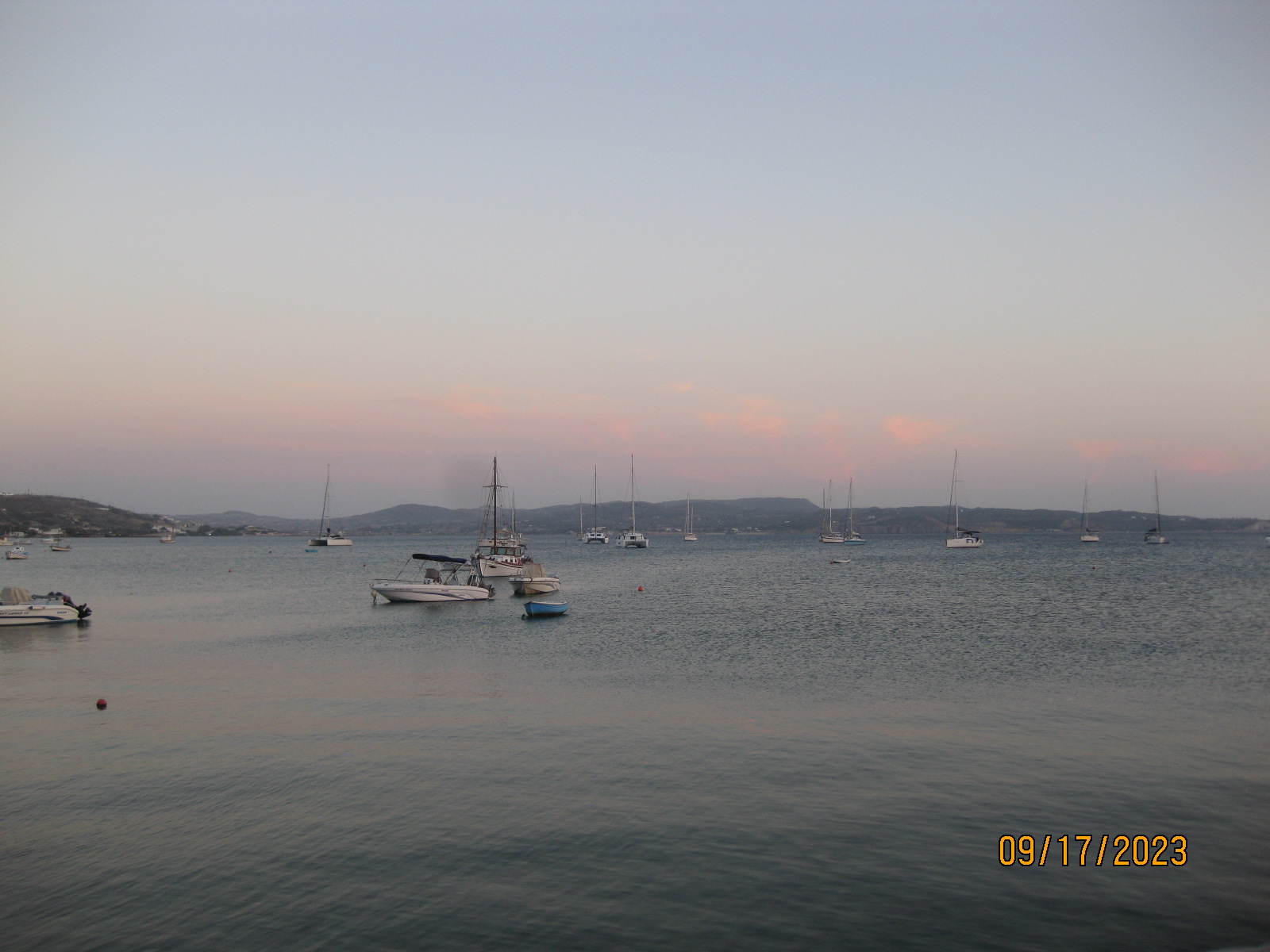

Now, for the most beautiful beach I have EVER been to:
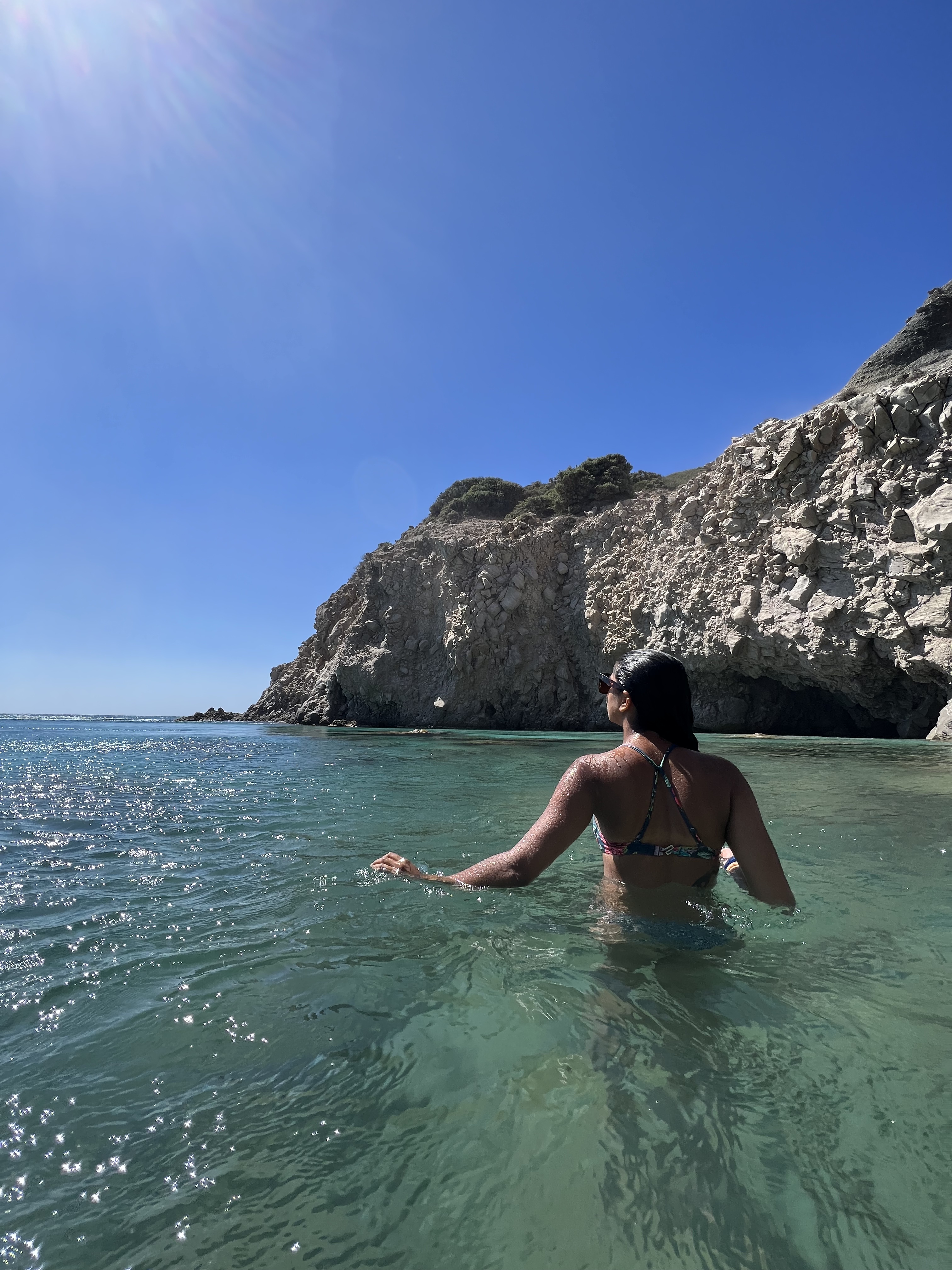
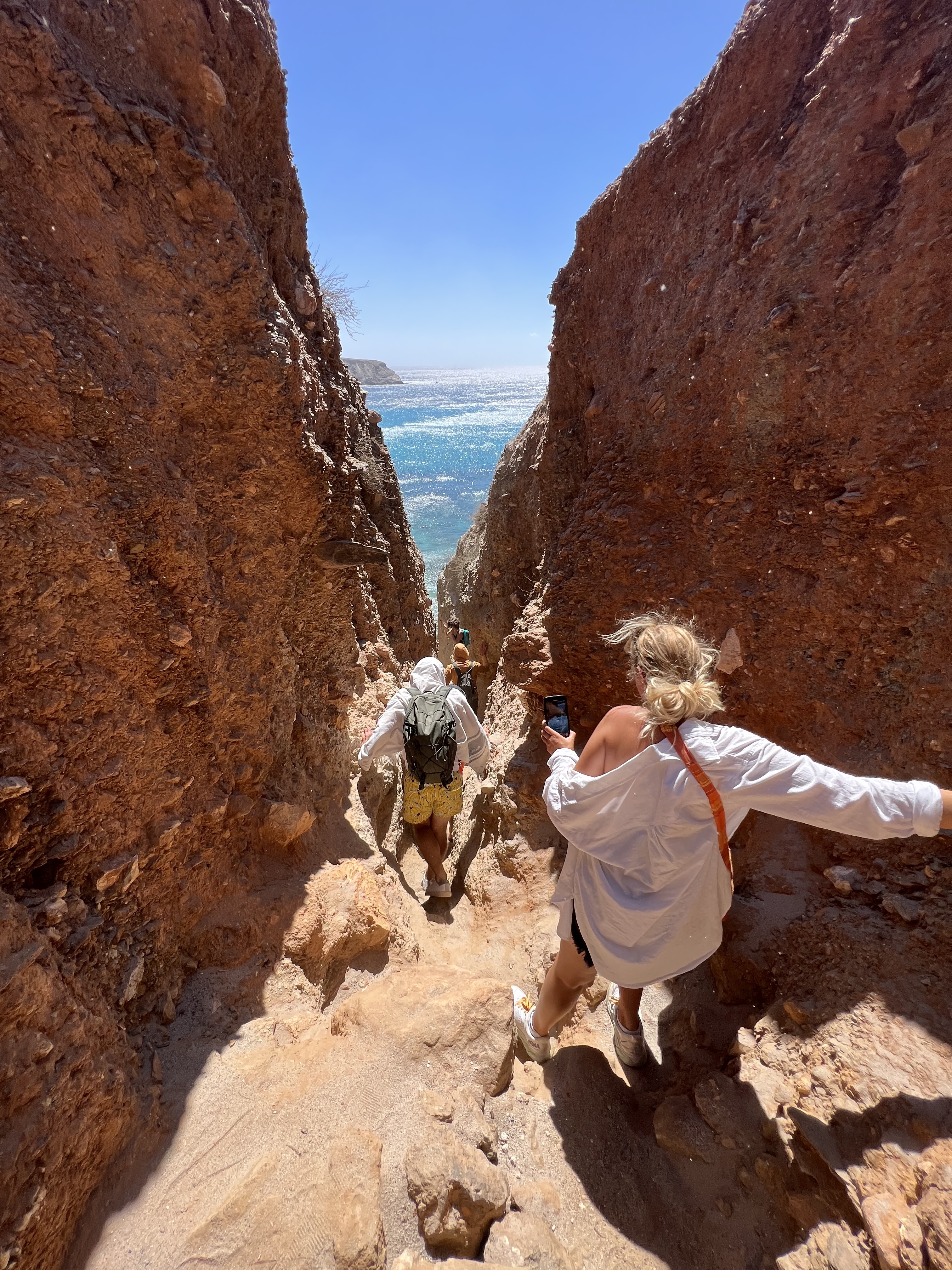
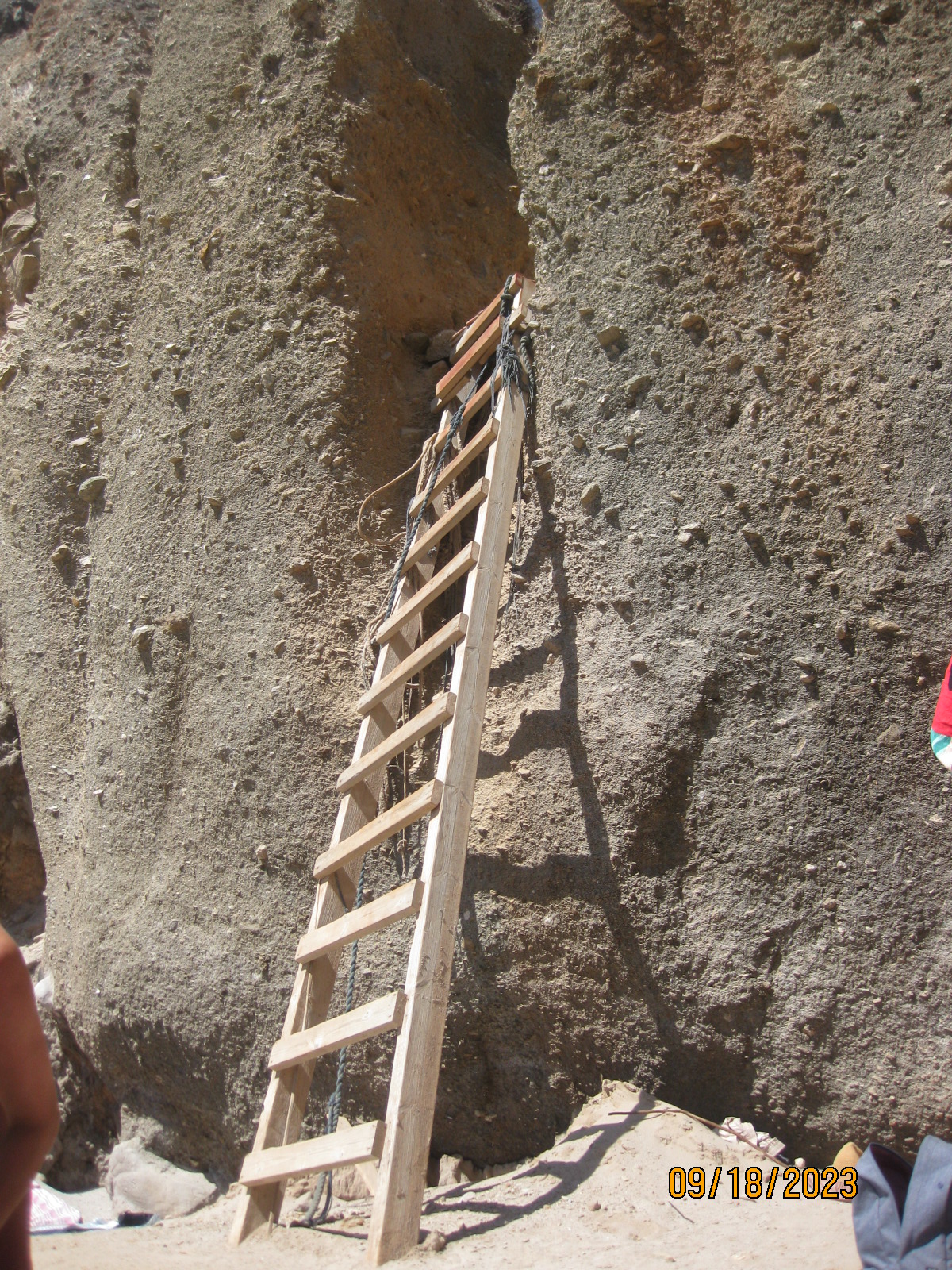
Tsigrado Beach (below), one of Milos’ most secluded gems, is a hidden cove surrounded by towering volcanic cliffs, accessible only by a steep ladder and rope descent. Its soft white sands and crystal-clear waters are shaped by the island’s volcanic past, creating a striking contrast between rugged rock formations and the serene Aegean Sea. However, like many coastal areas, Tsigrado is vulnerable to erosion and rising sea levels, with climate change threatening the delicate balance of its cliffs and shoreline. Sustainable tourism and conservation efforts are key to preserving this untouched paradise.

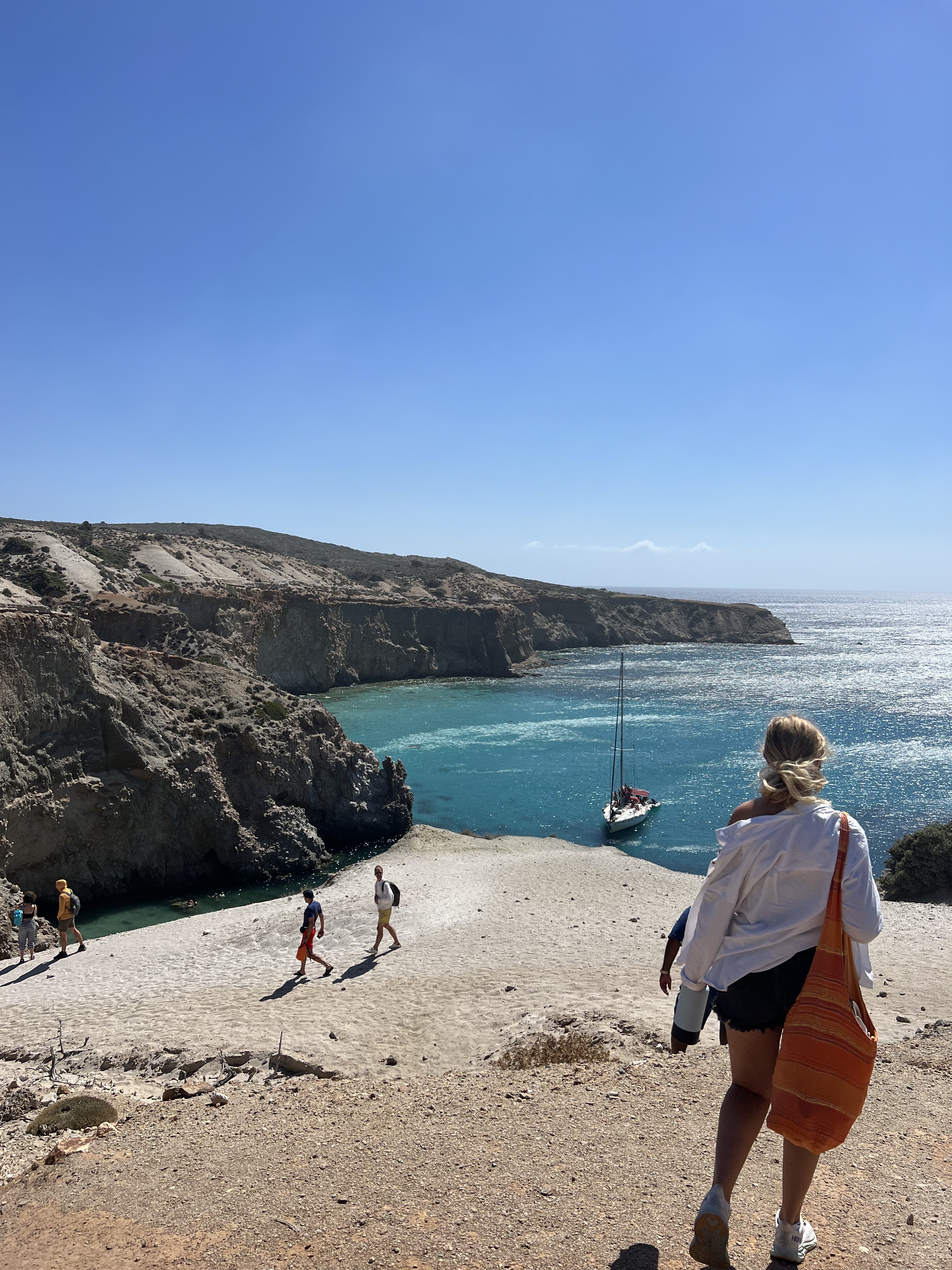
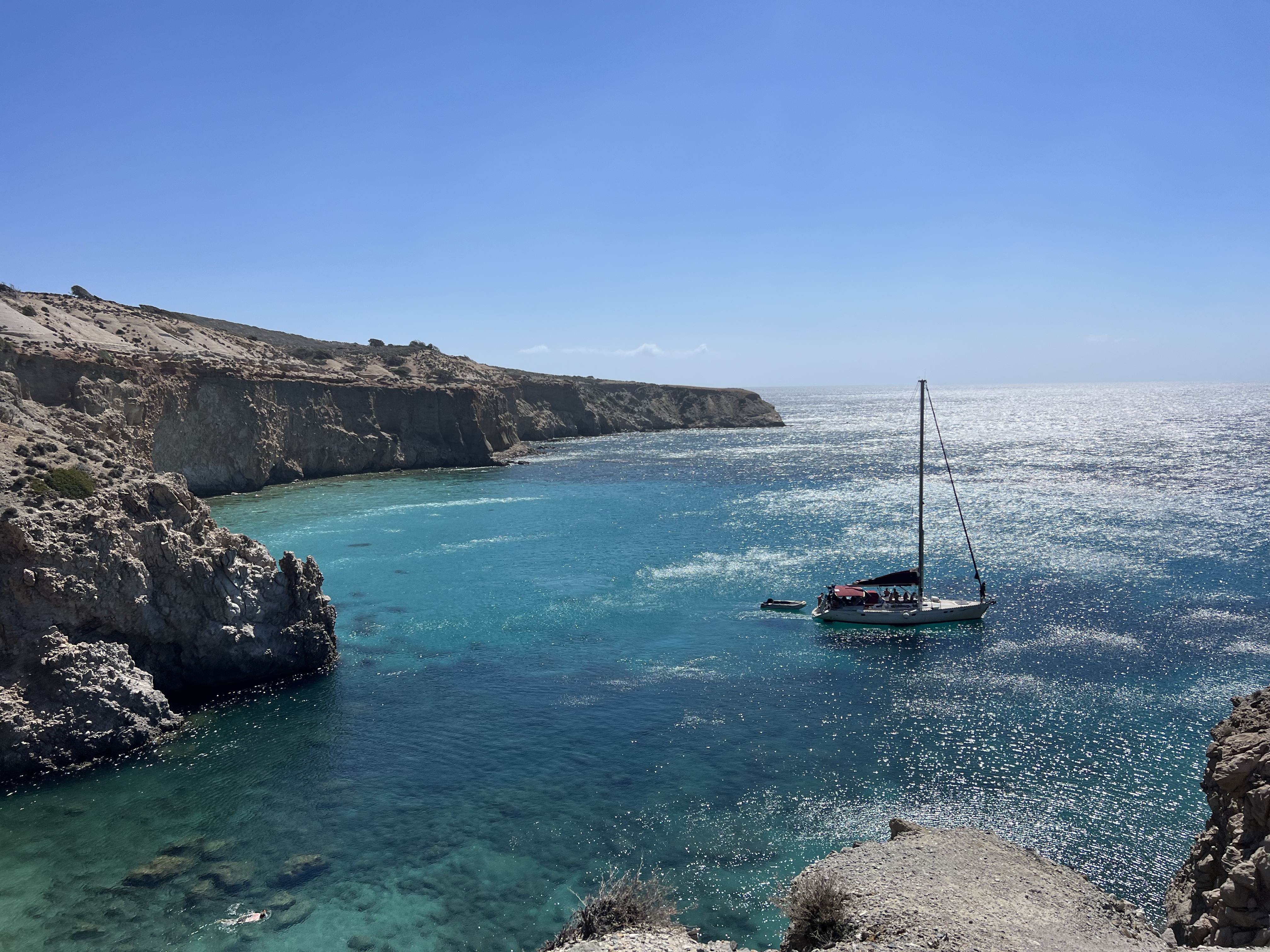


Reaching this hidden beach is an adventure in itself—even seasoned hikers must navigate the steep descent with caution. The journey involves scrambling over rugged rocks and carefully climbing down a rickety ladder, but the reward is a secluded paradise waiting below.


Paris, France
Paris, the City of Light, was the final stop on my first-ever solo backpacking trip—a place where adventure met nostalgia. After weeks of traveling alone, I reunited with my best friend, wandering through historic streets, soaking in the beauty of the Seine, and reflecting on the journey that led me here. Beyond its iconic landmarks, Paris offered a perfect blend of urban energy and quiet green escapes, a city where history, art, and nature coexist.

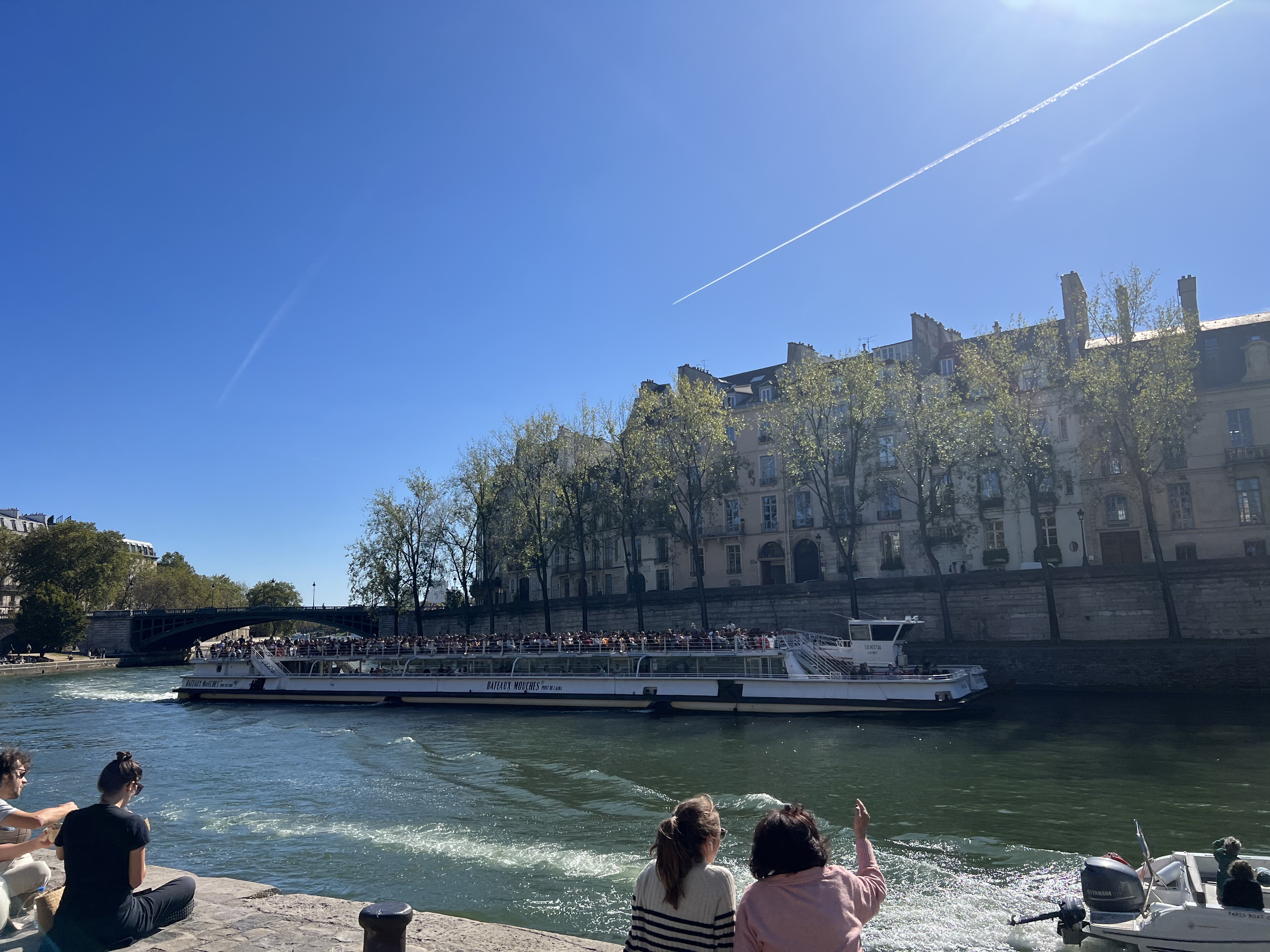
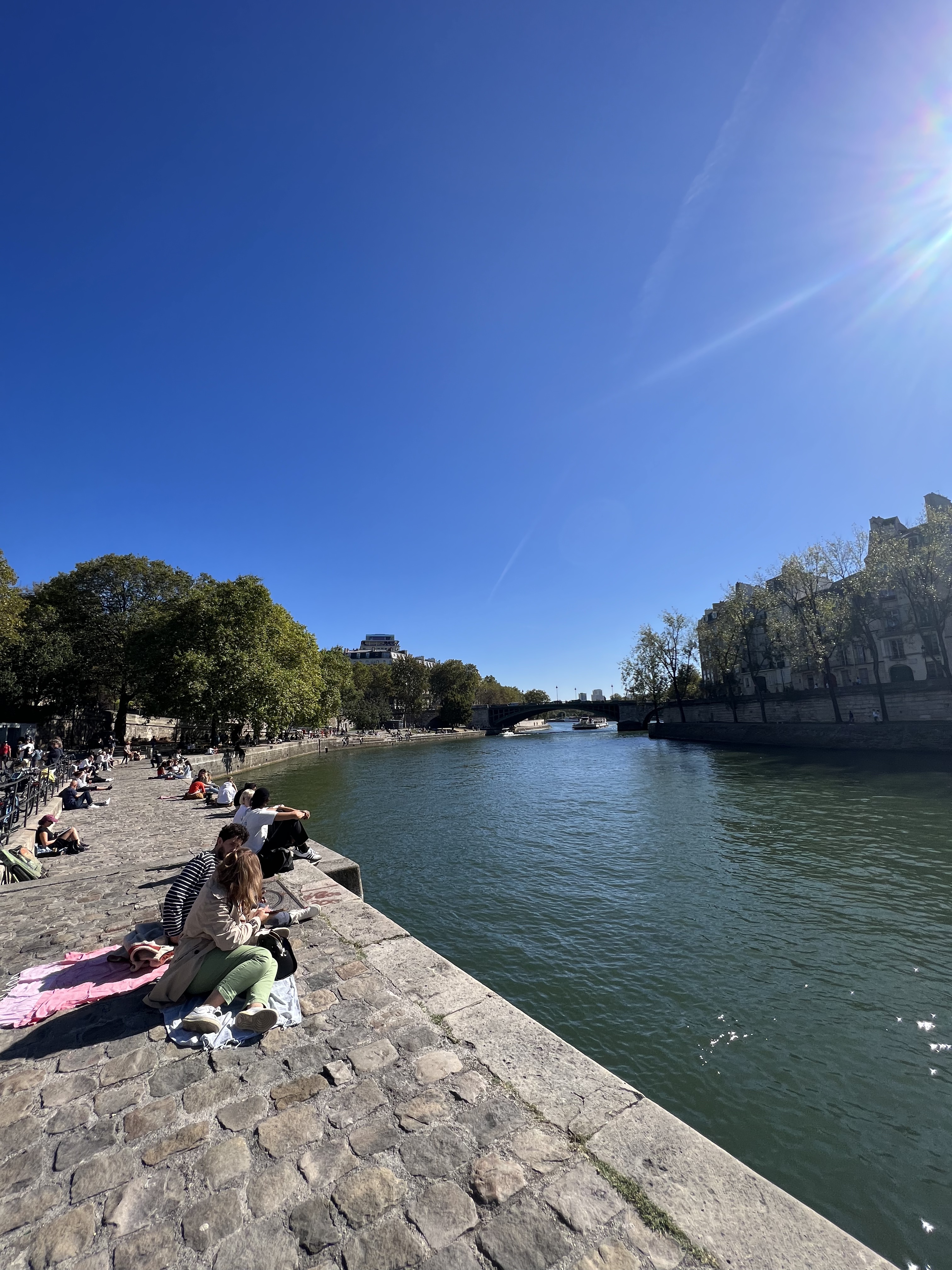
The Seine River, flowing through the heart of Paris, has long been a lifeline for the city, but climate change is impacting its waters. Rising temperatures have led to lower water levels in dry seasons and increased flooding during heavy rains, straining local infrastructure. Efforts are underway to restore biodiversity, with projects aimed at reintroducing fish species and improving water quality.
Greenery & Montmartre
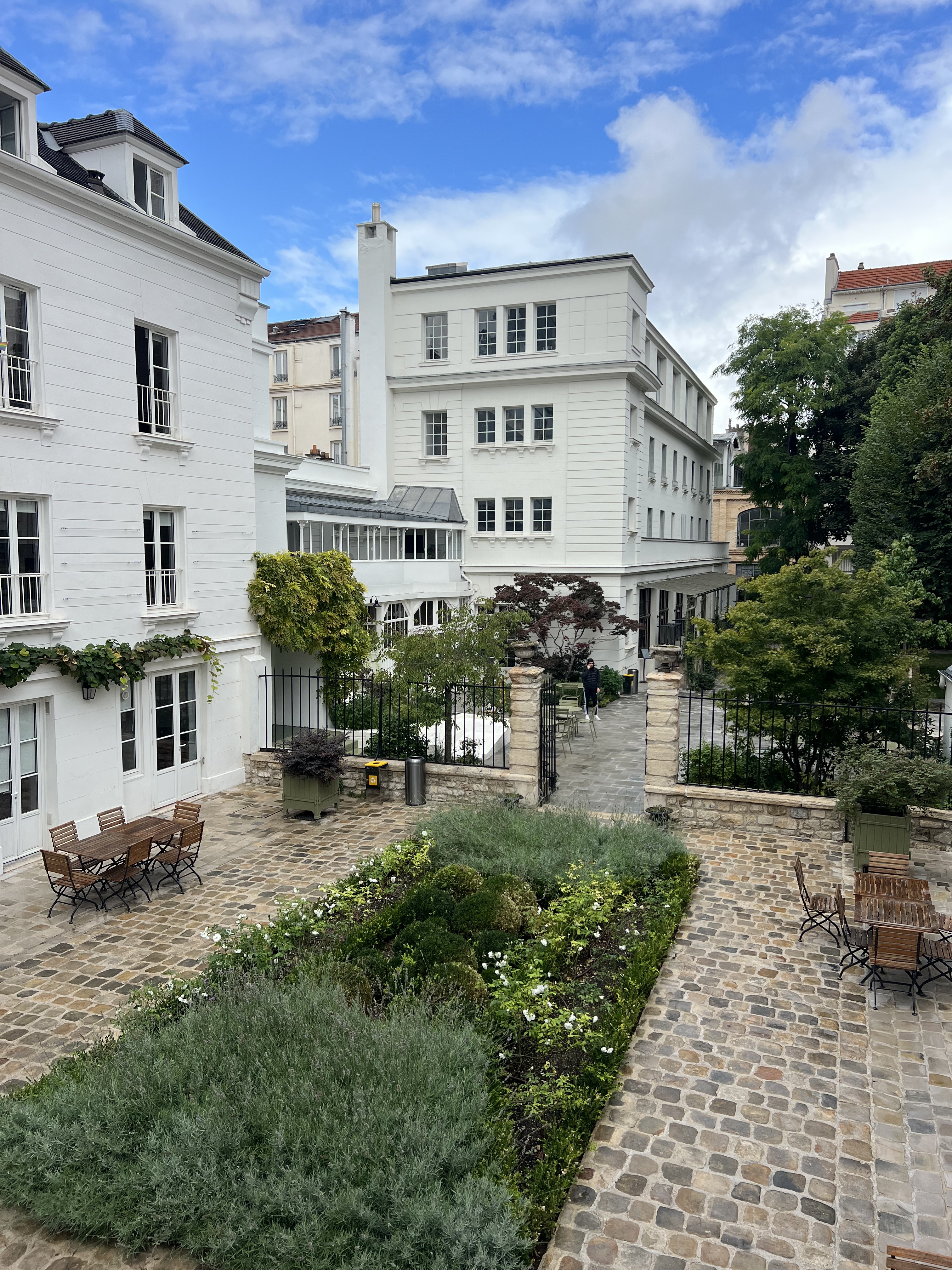
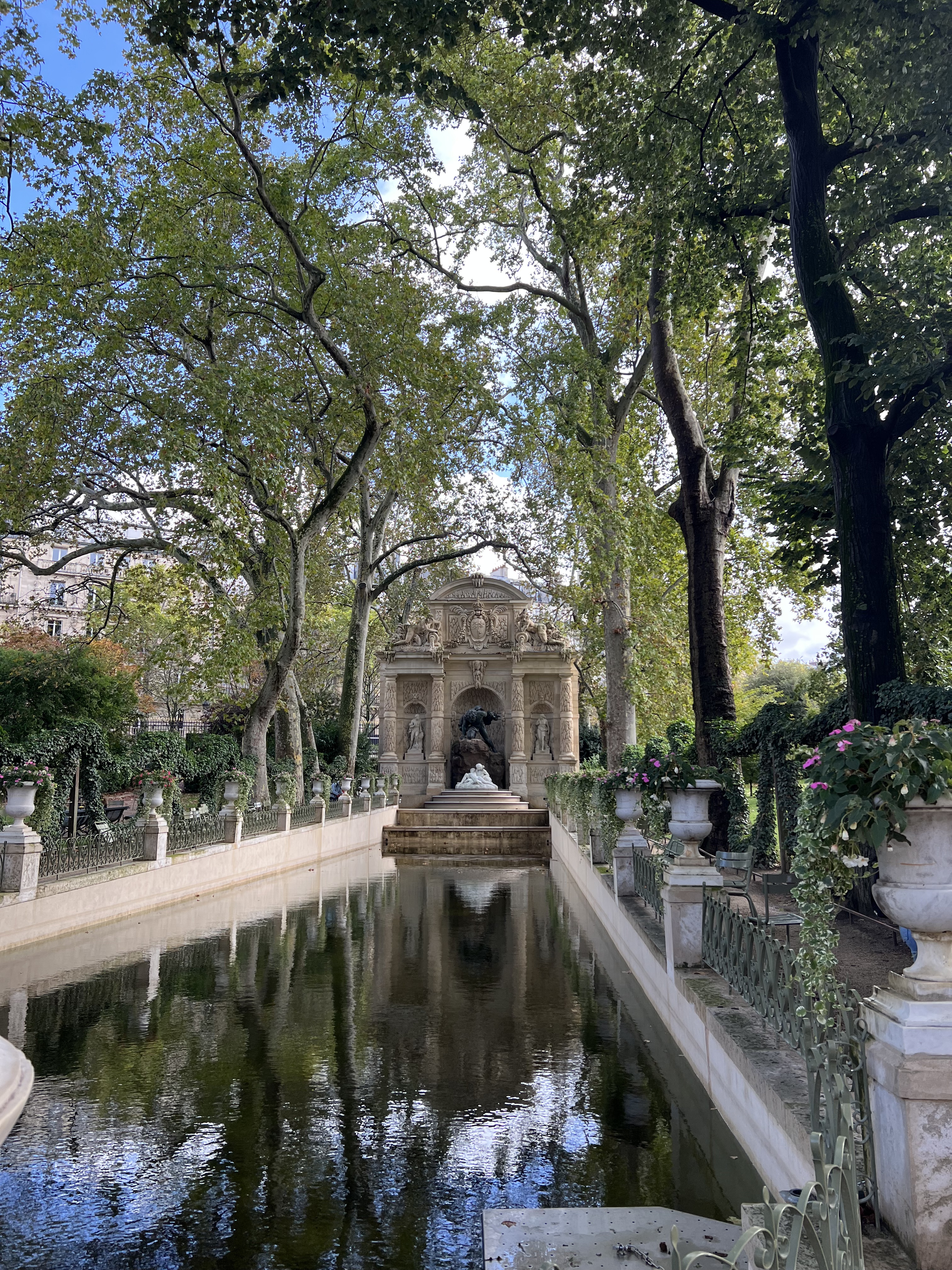
Despite its urban density, Paris is home to tree-lined boulevards, pocket gardens, and sprawling parks, helping to combat urban heat. Montmartre, known for its winding streets and artistic soul, also boasts hidden vineyards and lush green spaces like Square Louise-Michel, offering a rare oasis amid the city’s energy. Paris’ ambitious plan to plant more trees and expand green spaces aims to reduce rising temperatures and make the city more climate-resilient.
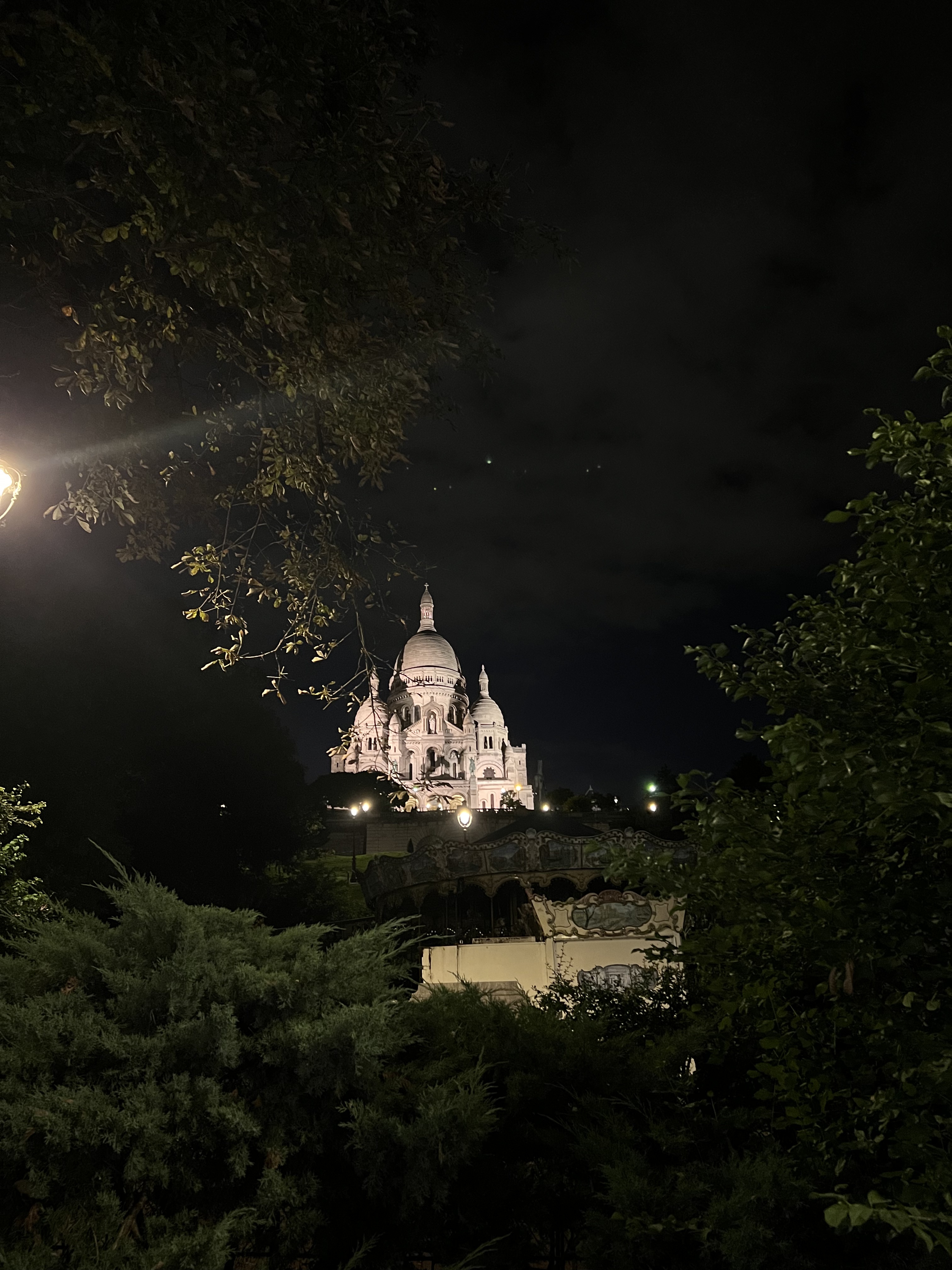
My First Solo Journey Through Climate & Beauty

That summer, traveling solo for the first time, I learned to slow down and see the world not just as a traveler, but as a witness to its beauty and fragility. From the windswept cliffs of Milos to the quiet green spaces of Paris, every place had its own story—written in the waves, the trees, the shifting landscapes shaped by time and climate. This journey deepened my love for the environment, not just as something to admire, but as something to protect. It reminded me that nature is both resilient and vulnerable, and that every step we take—whether on a rocky trail to a hidden beach or through a city’s tree-lined streets—connects us to something greater.

Continue The Adventure…

Summer 2024 – Italy & Greece
Through my lens, experience my journey as a Rustic Pathways program leader across Italy & Greece, capturing the beauty of nature and the power of student-led conservation efforts.
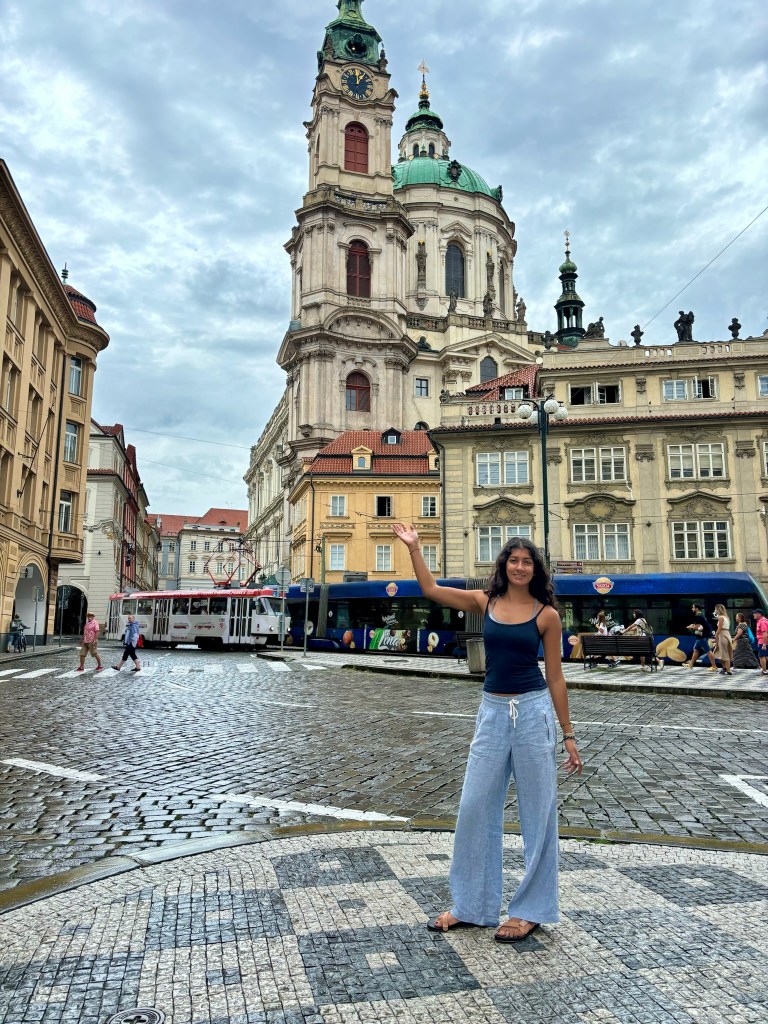
Fall 2024 – Eastern Europe & North Africa
Through my lens, explore solo and family travels across Eastern Europe and Northern Africa, where biodiversity, culture, and landscapes paint a vivid picture of our planet’s climate challenges.

Winter 2024 – Southeast Asia
Through my lens, immerse yourself in my time in Southeast Asia—working as a program leader and solo traveler—capturing the intricate relationship between nature and the communities that rely on it.
 My Ecological Odyssey
Leave a comment