Science isn’t confined to labs—it happens everywhere, and anyone can contribute. This section highlights citizen science projects I’ve participated in across the globe, where everyday people join forces to collect data, protect species, and tackle pressing environmental challenges. Explore how you can make a difference, no matter where your adventures take you.
Let’s start with the basics…
What is Citizen Science?
Citizen science is the public participation in scientific research where individuals volunteer their time and skills to help a scientific project. Citizen science can involve anything from collecting data to analyzing results. By allowing engaged individuals to participate, scientists gain support in conducting large research projects and the public gains more insight into climate efforts.
Why is Citizen Science important?
Citizen science allows scientists to collaborate with local communities to promote new ideas and engage interested individuals. While saving funding, citizen science programs encourage new ideas and make science more accessible to anyone that wants to learn more!
Ways to get involved
Volunteers interested in participating in a citizen science can be asked to complete a range of tasks depending on the specific project and their level of expertise (& every level is welcomed). Participating in citizen science can mean: measuring rainfall, birdwatching, inputting data into an online database, temperature checks, or documenting astronomical events.
With the development of technology, citizen science is more accessible than ever before. You simply need a smartphone and the desire to contribute to the scientific process. Apps like Project Noah, Leafsnap, Project Budburst, and so many more, allow you to participate in projects while going about your everyday life.
If you’re eager to take a more hands-on approach and have the resources to do so, eco-volunteering trips offer incredible opportunities to combine science and travel. Organizations like Earthwatch and Seacology provide unique expeditions where participants can actively contribute to conservation efforts. These trips take you around the world, offering firsthand insight into the impacts of climate change while engaging in meaningful projects—protecting endangered wildlife, restoring forests, or supporting communities in sustainable living. Guided by expert scientists, these experiences are a fantastic way to explore new places, expand your knowledge, and make a positive impact.
My Experiences Participating in Citizen Science
How have I participated in citizen science? Lots of experiences through my travels, particularly as a program leader for Rustic Pathways! Rustic Pathways is a student travel company that promotes experiential learning through sustainable travel. All programs incorporate environmental or community service aspects, and I’ve had the unique opportunity to both teach about the environment and also personally engage in citizen science. Most recently, I traveled to Italy, Greece, and Thailand.
Cleaning up Northern Italy

Euganean Hills, Italy
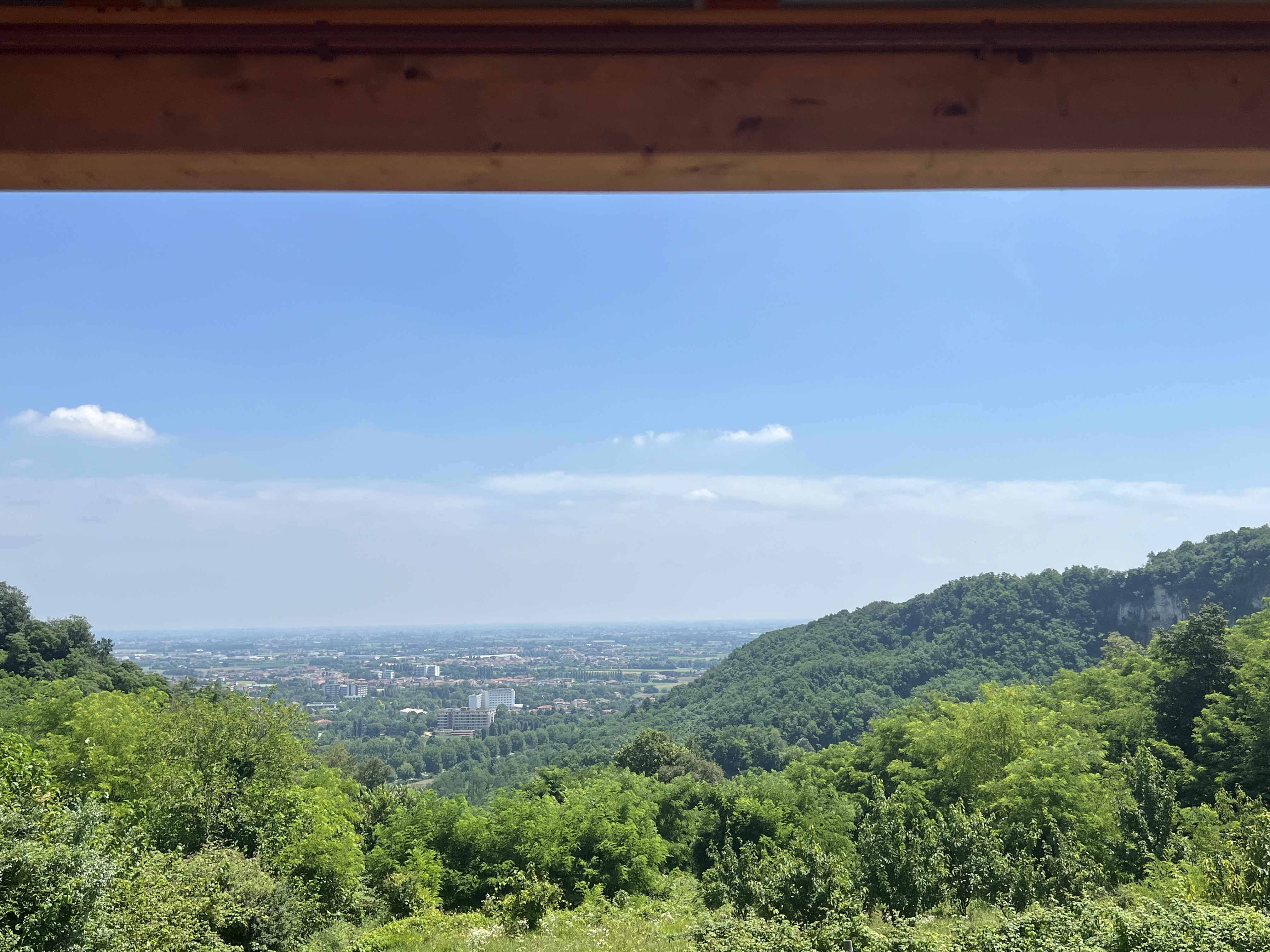
Just outside the beautiful town of Padua lies the ancient Euganean Hills, located in the Parco Regionale del Colli Euganei.
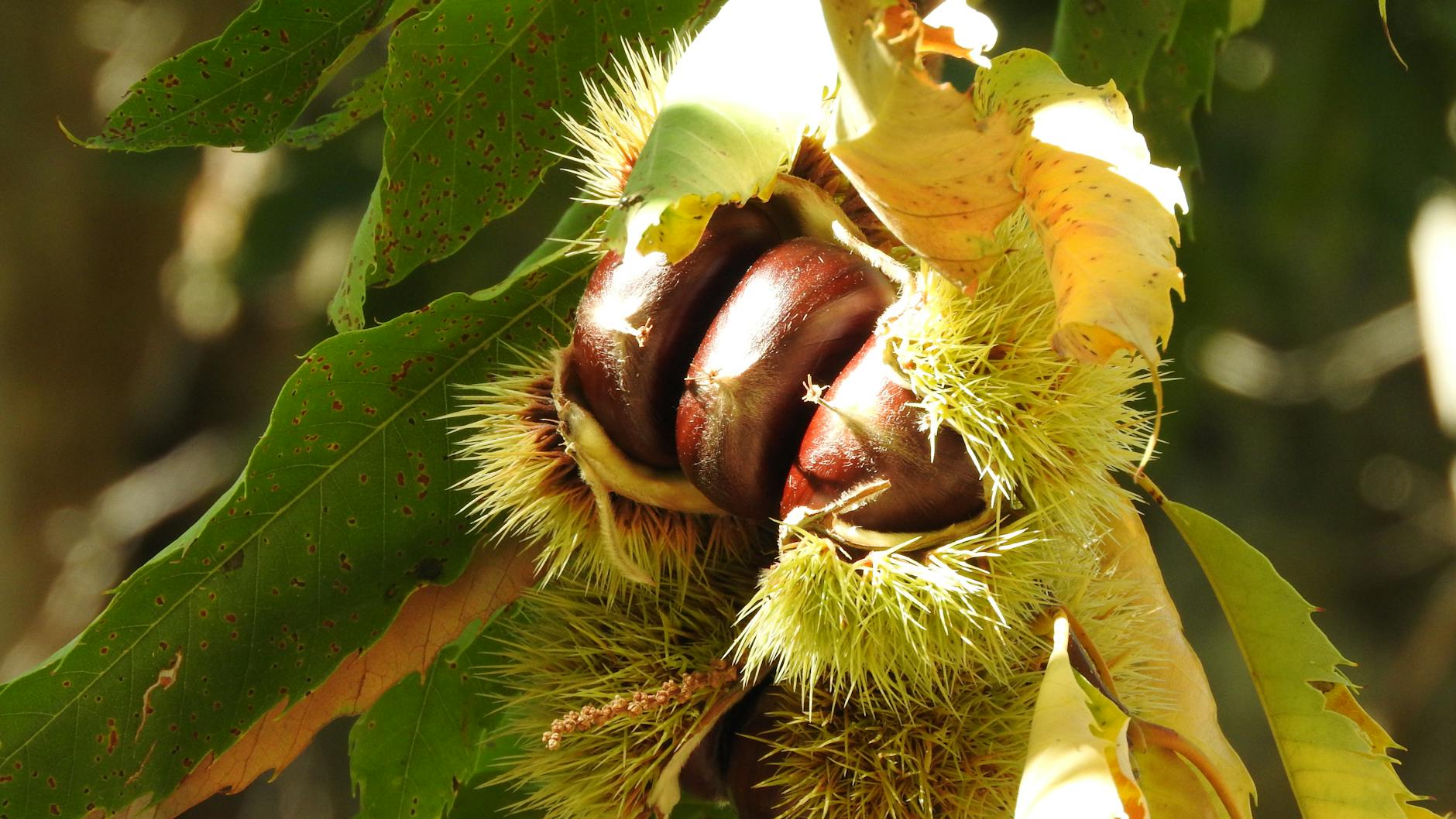
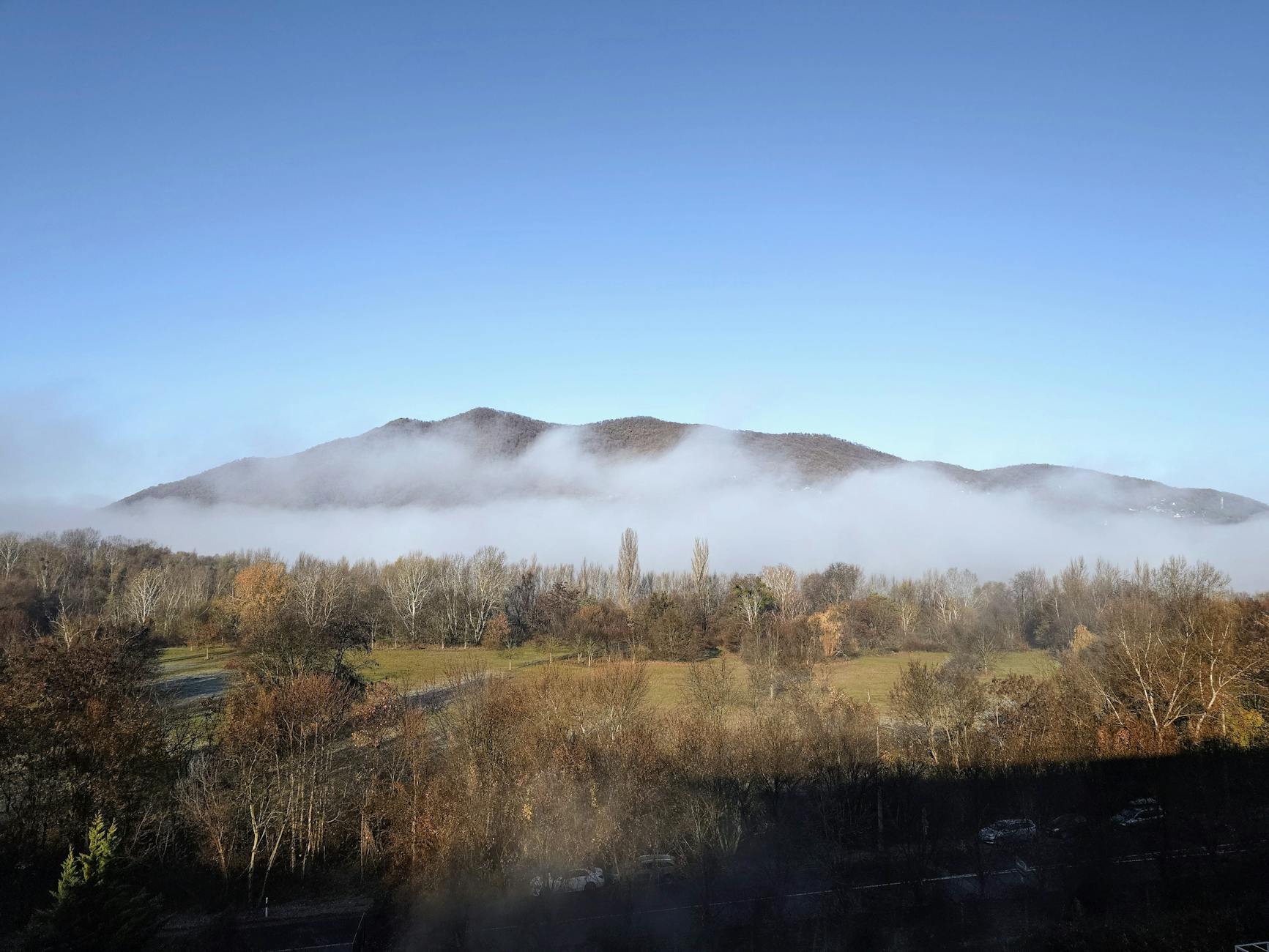
Formed from volcanic activity over 30 million years ago, the Euganean Hills have hosted a myriad of species. Amongst the hills, you’ll find chestnut forests, oak forests, black locust tree forests, pseudo-Mediterranean scrub, and dry grassland.
The diverse range of flora are all able to thrive due to the Euganean hills’ many microclimates- some species prefer the hot, dry climate while others grow in cool, humid environments.
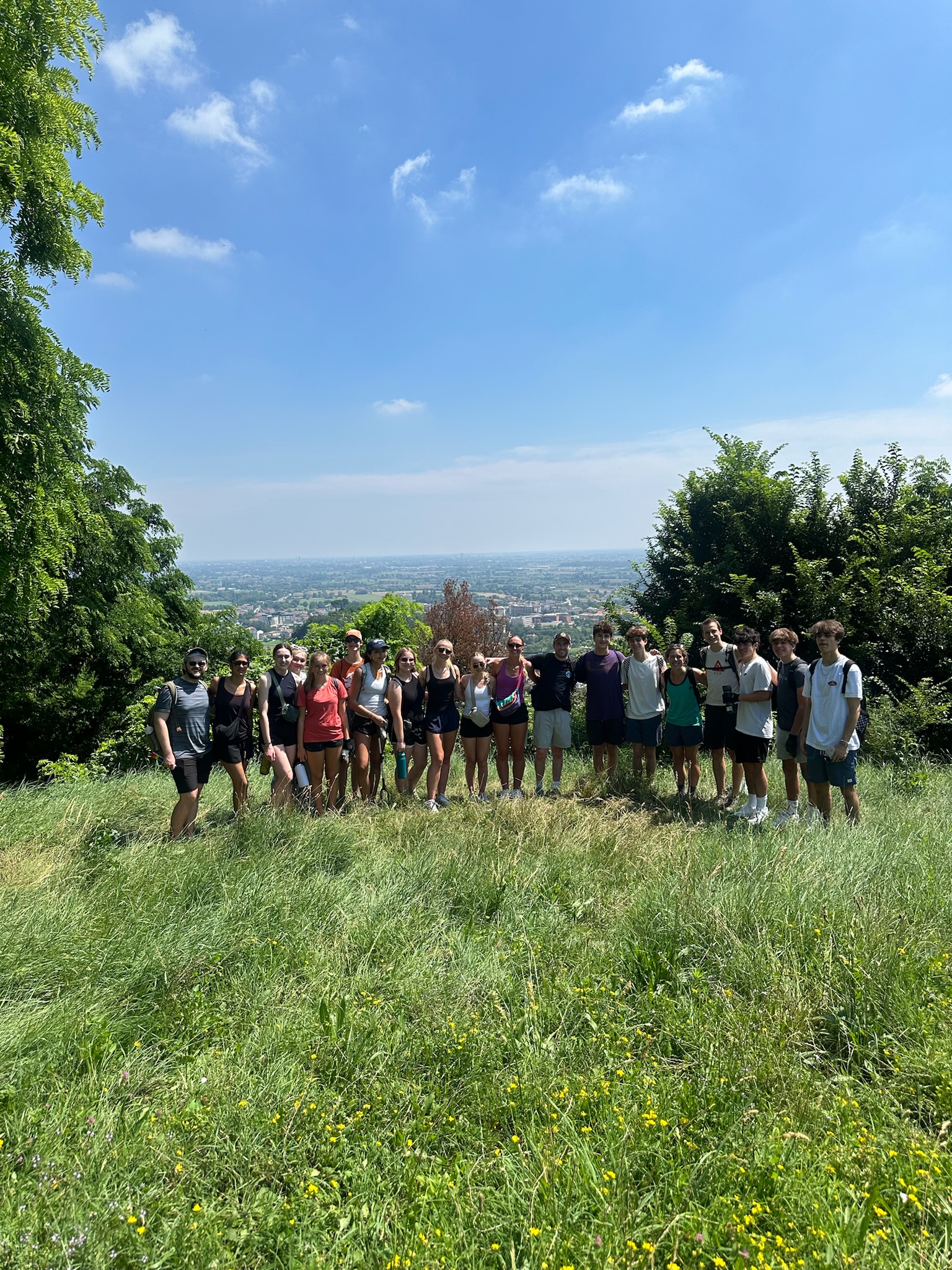
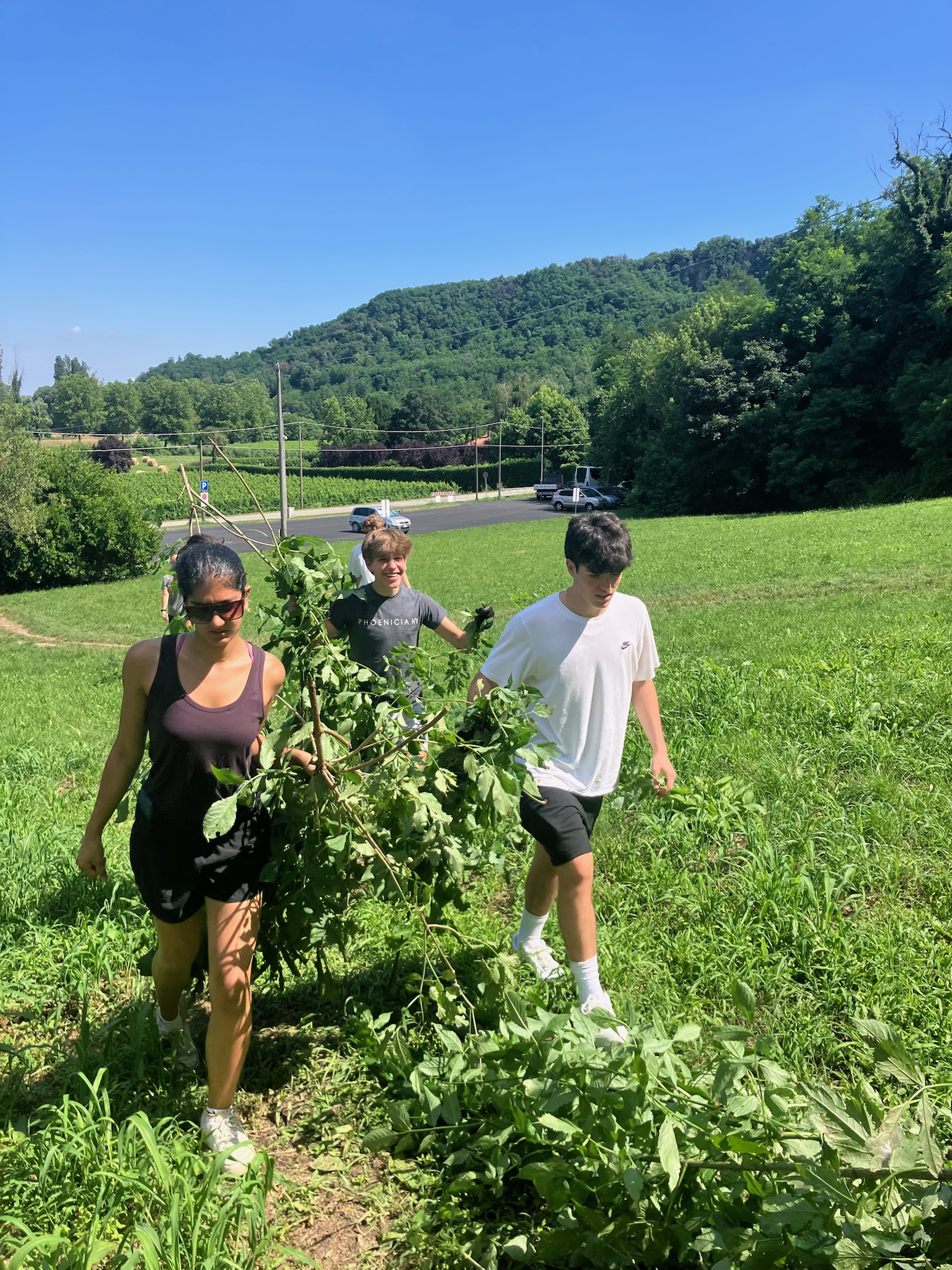
Over the summer of 2024 during my work as a program leader for Rustic Pathways, I taught students about the Euganean hills, the species that occupy it, and assisted our local Italian guide Stefano with projects to better the environment.
We worked on a variety of citizen science projects including…
- Removing invasive species that were occupying the grounds
- Collecting trash along the hiking trails
- Cleaning up the spaces that the local school uses for environmental education programs

Hear directly from local Italian leader, Stefano, on his experience in the Euganean hills!
Learn more about the hills and climate change through a travel-based environmental case study!
Protecting the turtles on the Ionian Isles of Greece
Kefalonia, Greece
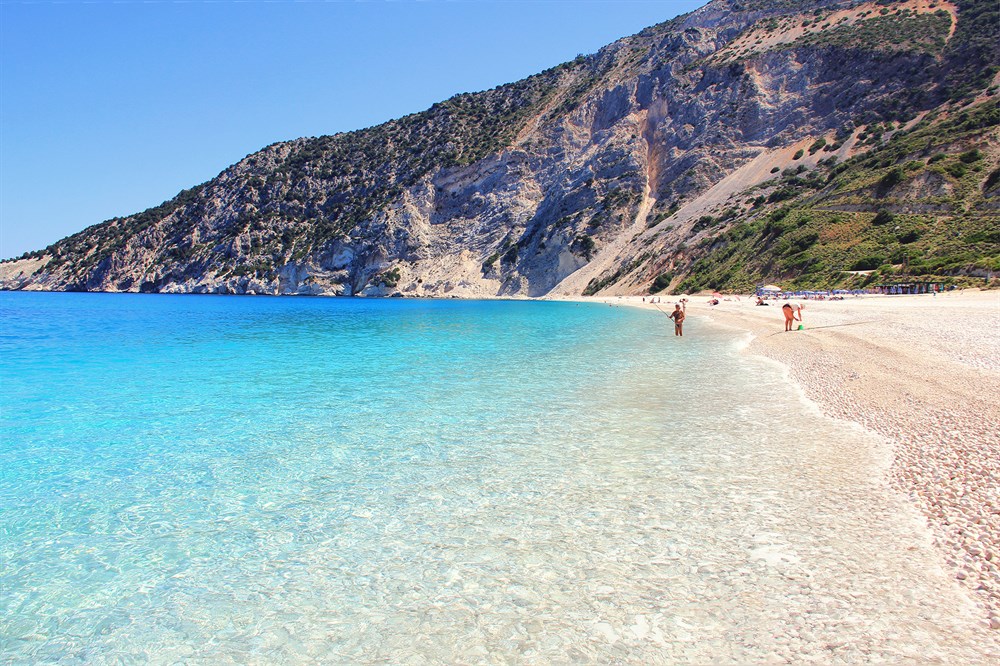
The largest of the Ionian islands, Kefalonia has over 230 meters of coastline with sandy beaches, pebble beaches, and bays. Host to a large array of wildlife, many endangered species reside in or around the island including the loggerhead sea turtle, green sea turtle, and monk seal.
We worked with Wildlife Sense, a local research and conservation organization, to assist in their sea turtle and coastal conservation efforts.
Citizen science projects were either focused on protecting sea turtle nests from damage or studying the underwater seagrass meadows.
Sea Turtle Conservation:
- In the early mornings, we would walk Lourdas Beach from start to finish, searching for new turtle nests. When a nest was found, our Wildlife Sense guide walked us through the numerous measurements, data collection, and safeguards to protect them from predators and people.
- During the rest of the day, we’d track and observe sea turtles from both the land and sea. With a data collection sheet in hand, students walked the length of Argostoli Harbor in teams to sea turtle behavior.


Coastal Conservation:
- The other key project focused on mapping the seagrass which helps track the effects of climate change on the island.
- We participated in daily snorkel sessions where teams used geotagging and underwater photography tools to survey the area, collect images, and identify species + the state of the meadow ecosystem.
- Wildlife Sense is able to track changes over time with the help of citizen scientists!
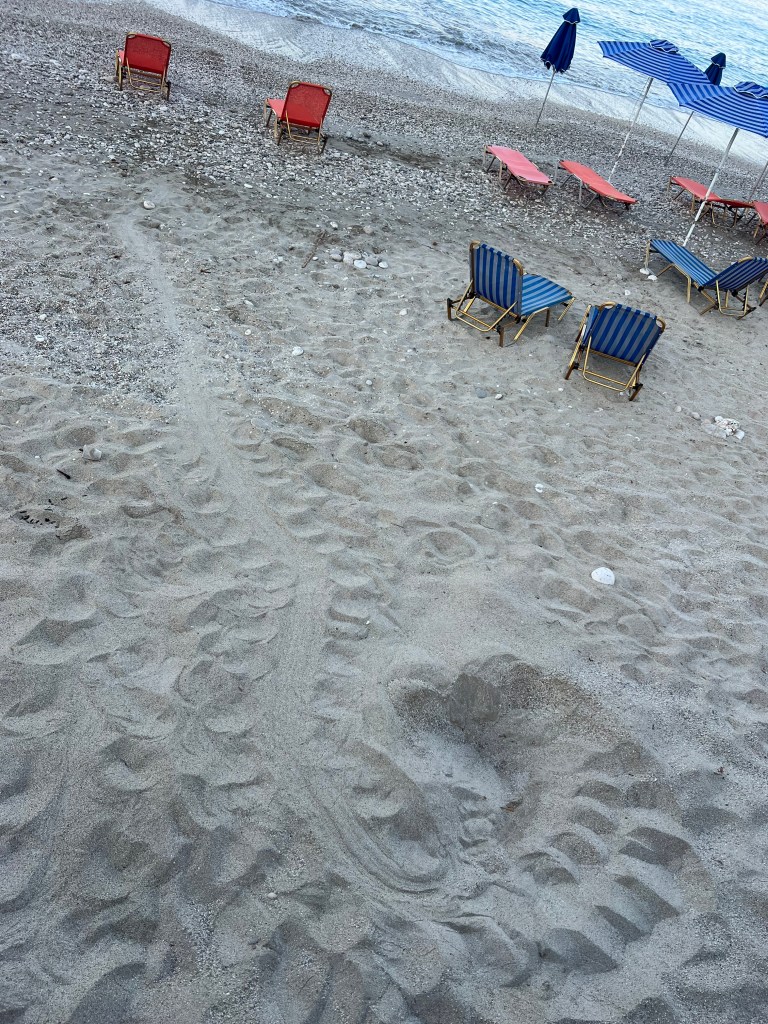
Sand pattern of the mother sea turtle’s path as she exits the water and turns in a spiral to nest 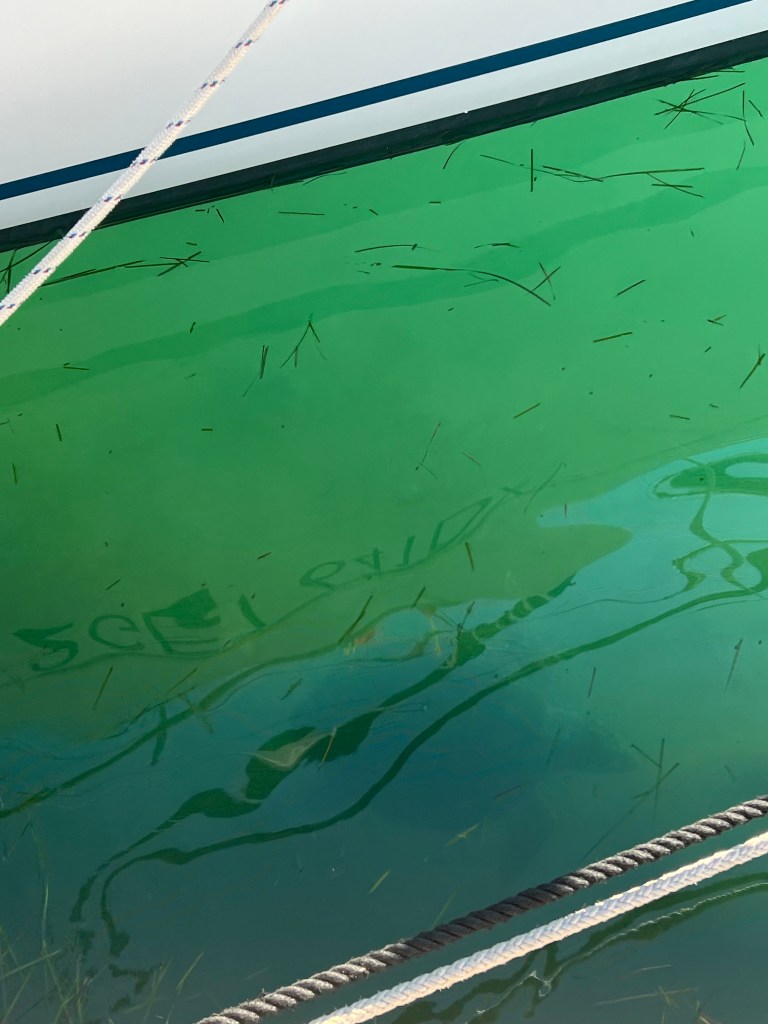
A sea turtle swimming under boats docked in Argostoli Harbor 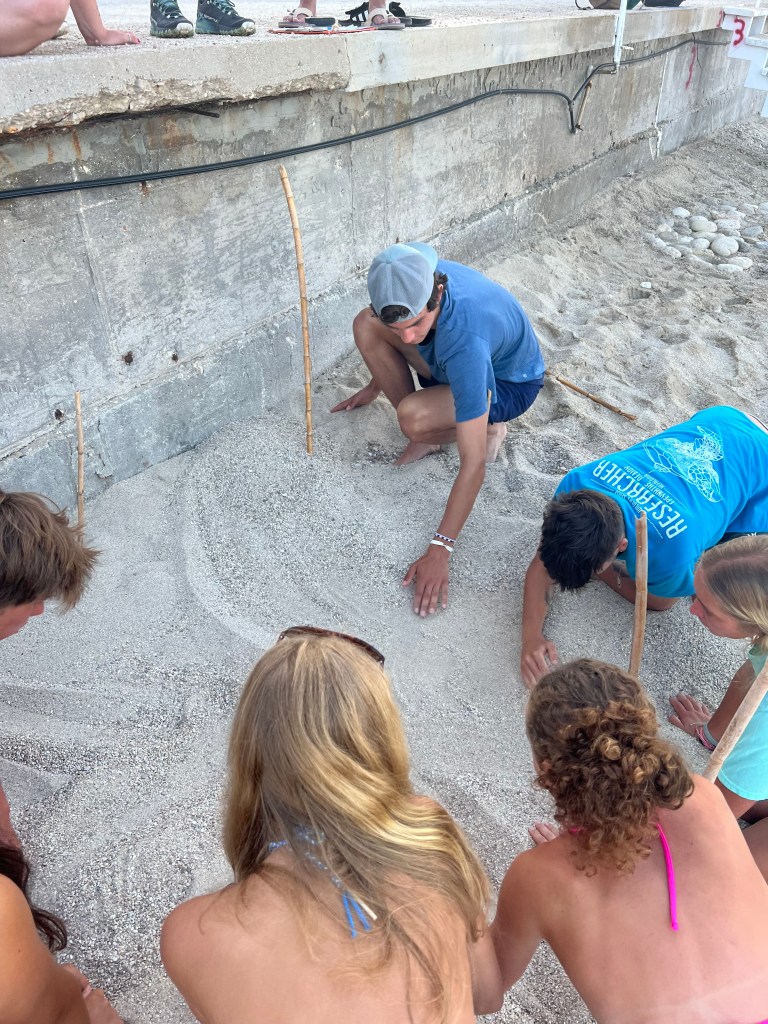
Students digging to find the nested eggs 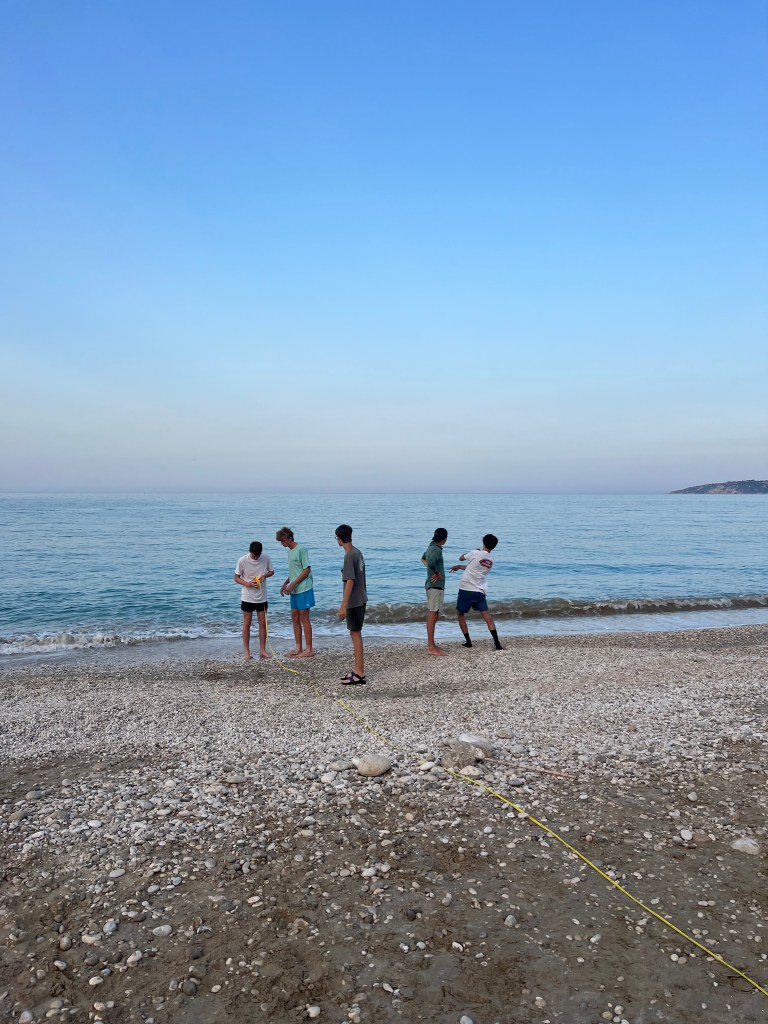
Students helping our Wildlife Sense partners measure the distance of the mother sea turtle’s path from the water to the nest 
Students digging to find the nest 
Ammes beach 
Site of sea turtle nests; Lourdas Beach at 5am
Hear directly from Wildlife Sense member, Charlie, on her experience in Kefalonia!
Learn more about the island and climate change through a travel-based environmental case study!
Reforesting the hills of Northern Thailand
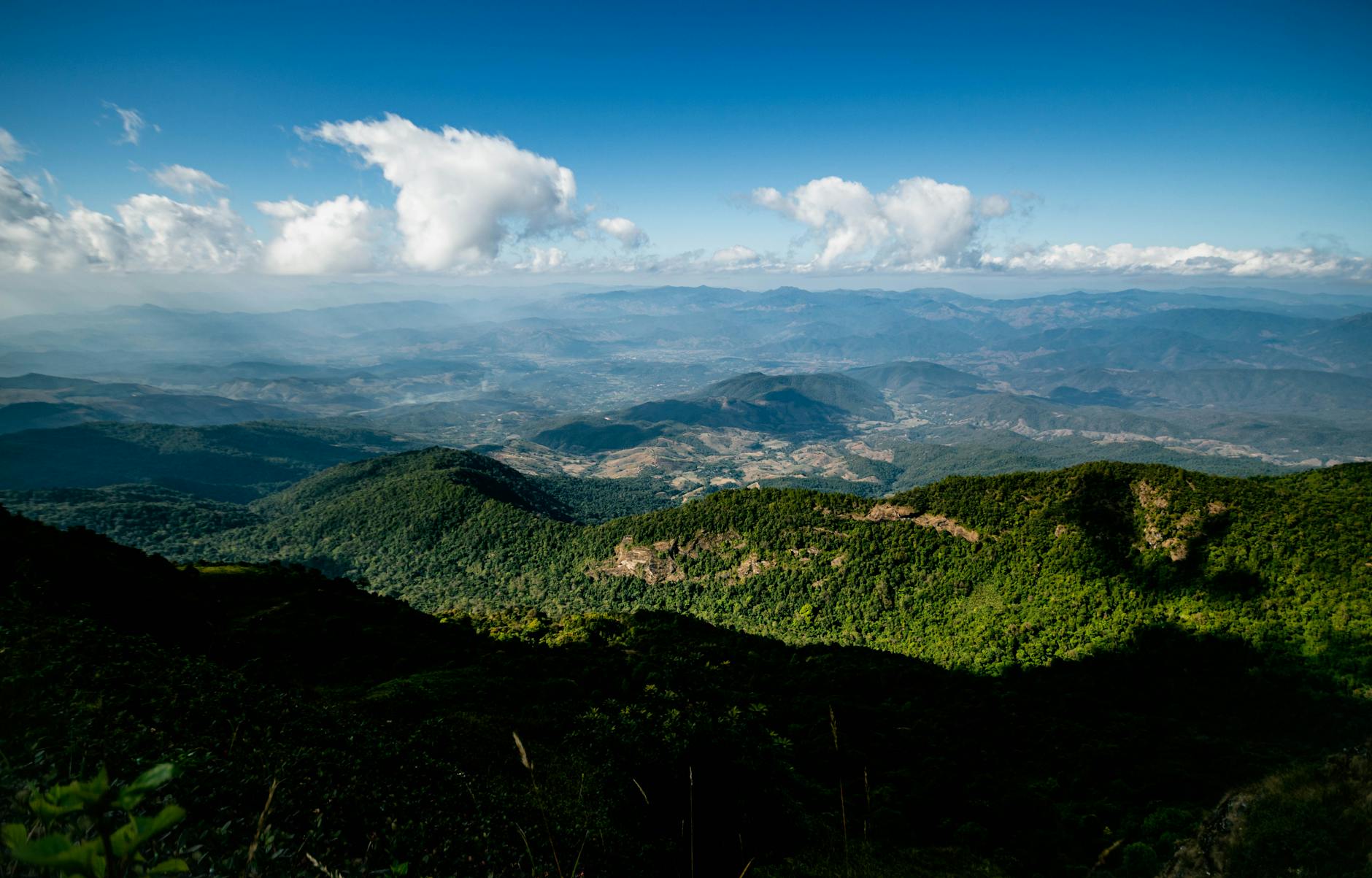

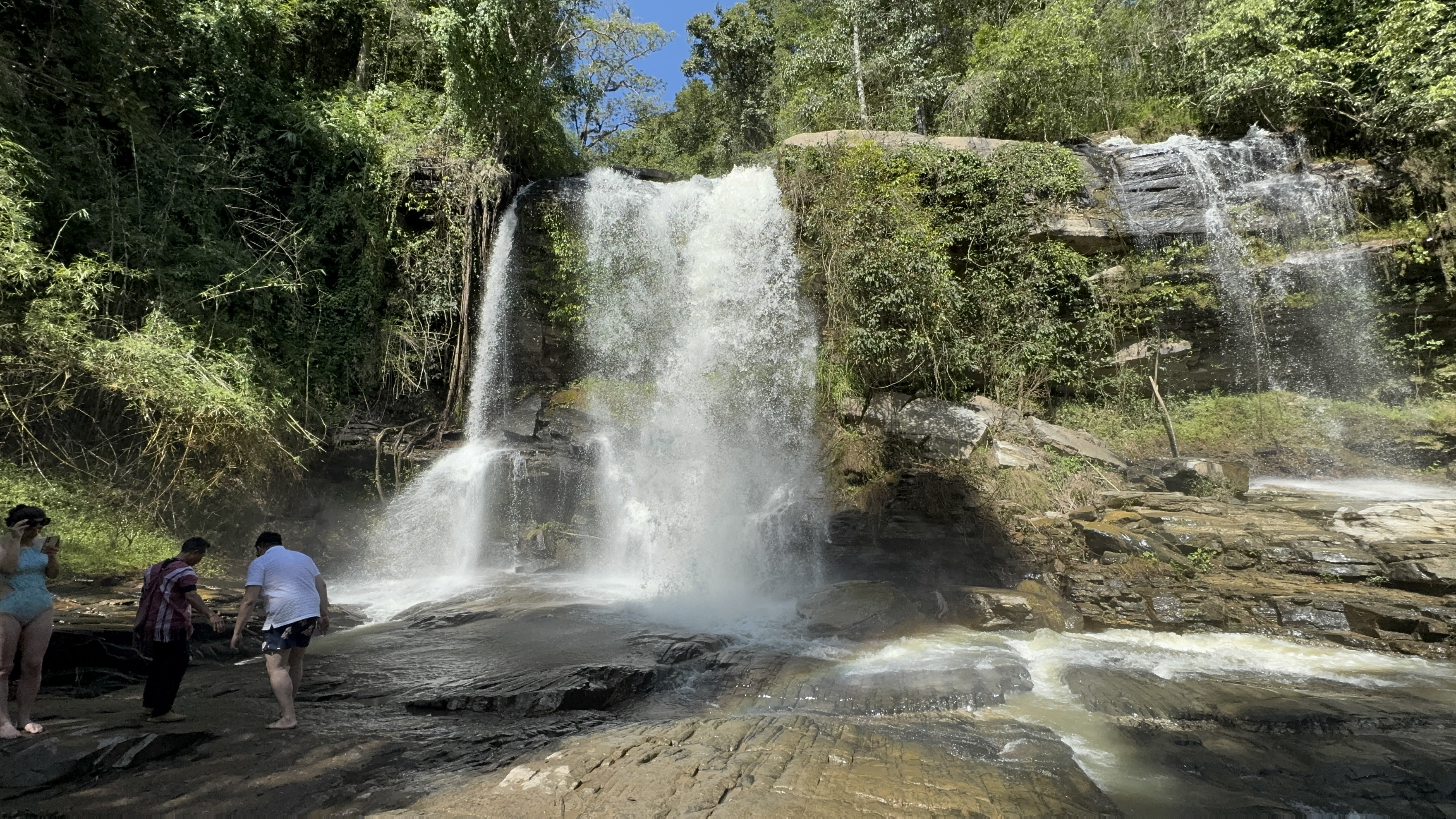


Chiang Mai, Thailand
Overlooking the bustling city below, the hills of Chiang Mai are home to ancient hill tribes, the spectacular Doi Suthep mountain, hidden temples, and serene yoga retreats. Nestled within these hills, Doi Suthep-Pui National Park is a sanctuary of diverse wildlife, cascading waterfalls, and peaceful forests.
Yet, deforestation poses one of the most pressing threats to this fragile ecosystem, driving species toward extinction and disrupting vital ecological services.
To better understand the region’s forest types and the efforts to protect and restore them, we partnered with Chiang Mai University’s Forest Restoration Research Unit (FORRU). Dedicated to conserving biodiversity, enhancing environmental protection, and promoting carbon storage, FORRU researches and develops effective methods for tropical forest restoration.
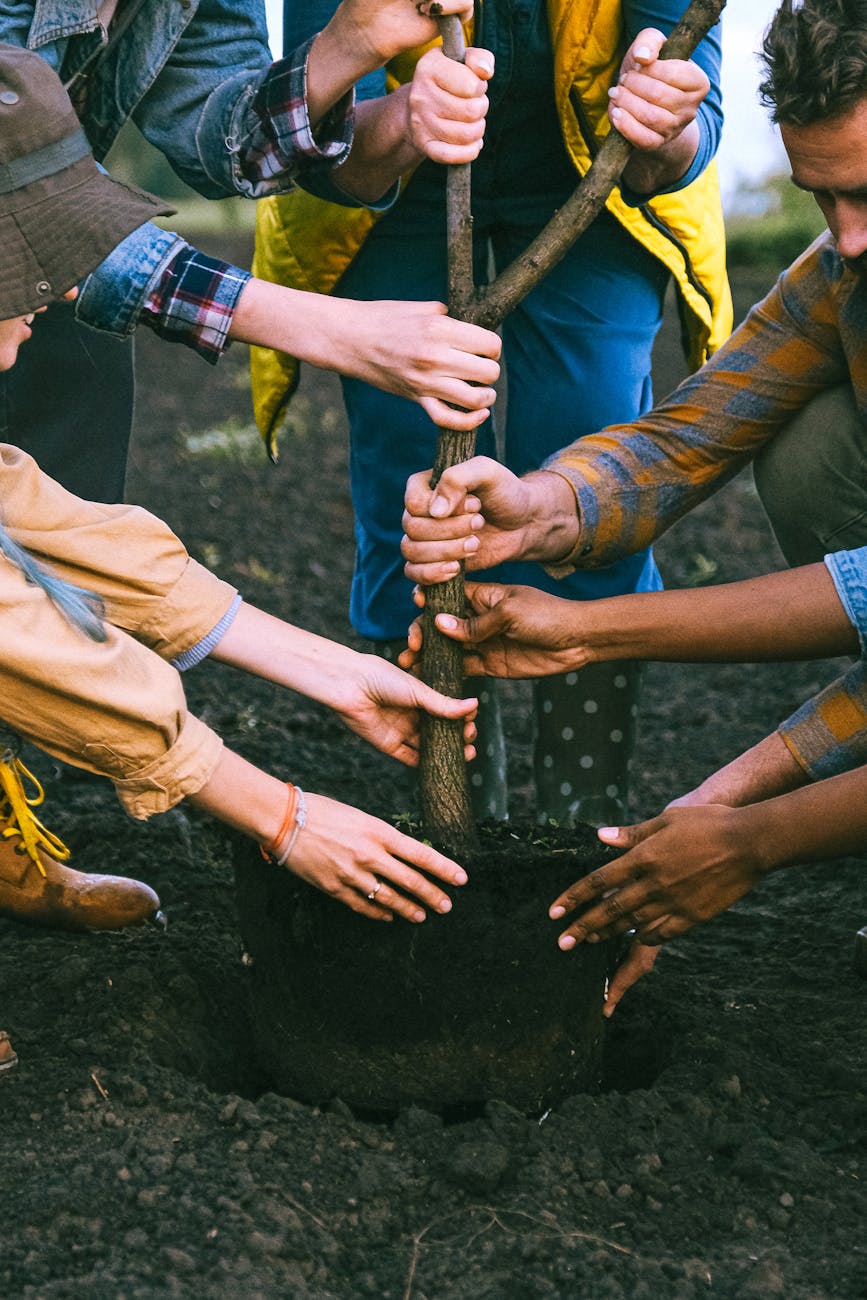
What is Forest Ecosystem Restoration?
Forest restoration is the process of guiding and accelerating ecological succession to reestablish a self-sustaining indigenous forest ecosystem. The goal is to maximize biomass, structural complexity, biodiversity, and ecological function within the region’s natural climatic and soil conditions.
Learning the Restoration Process
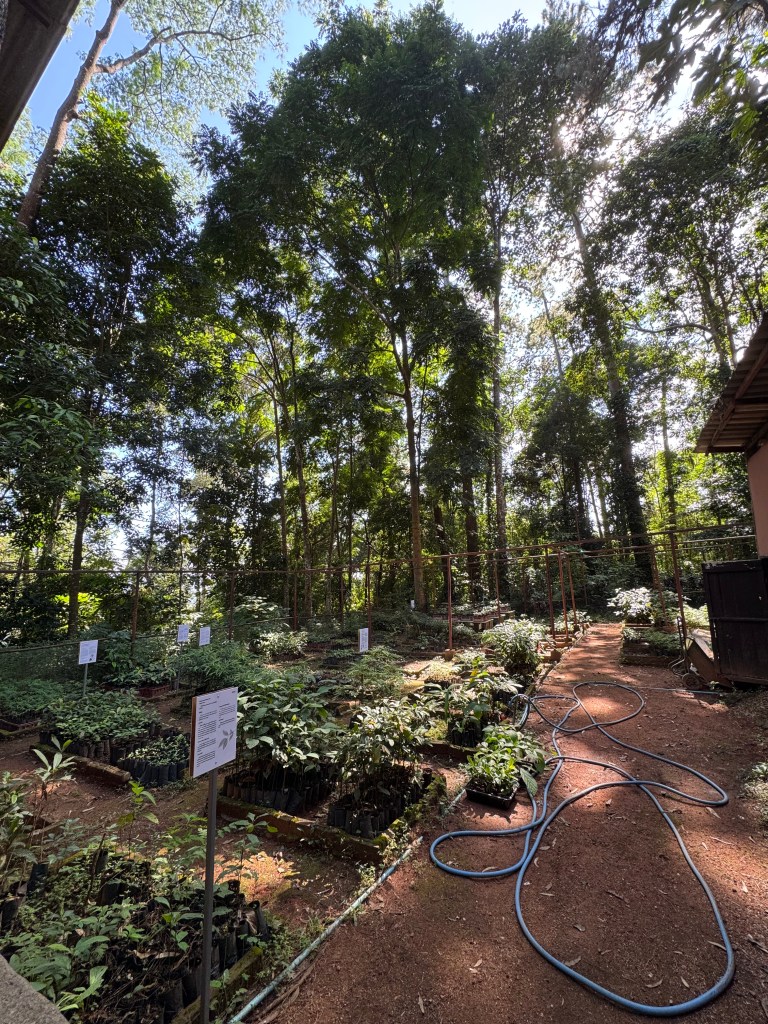
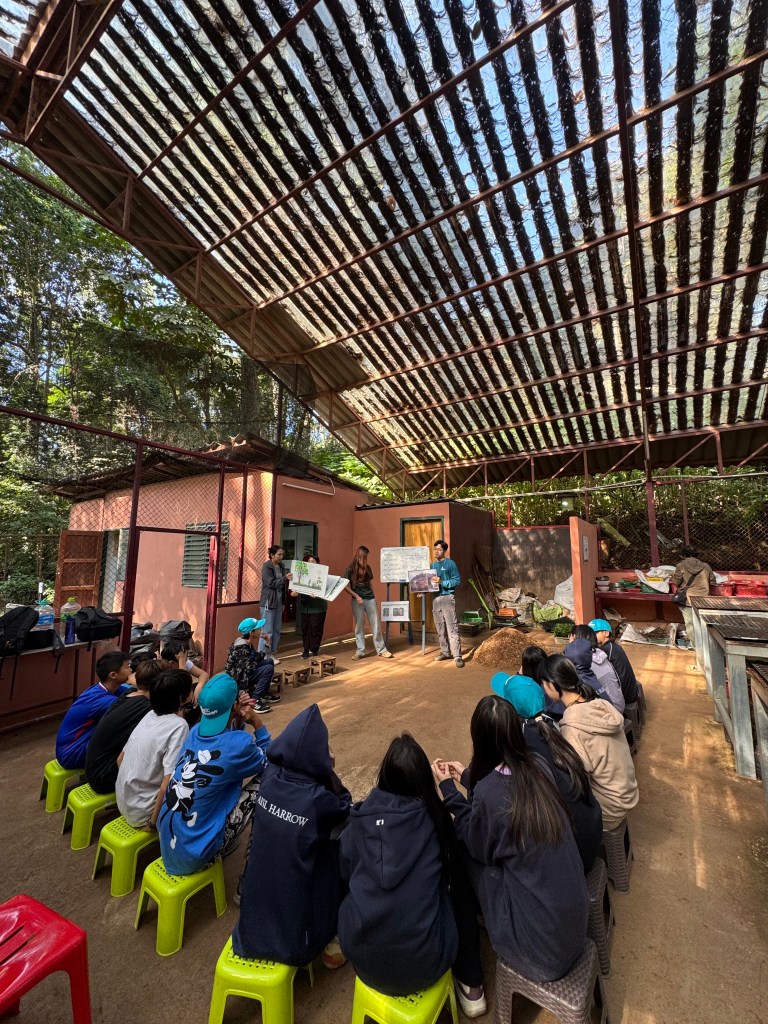
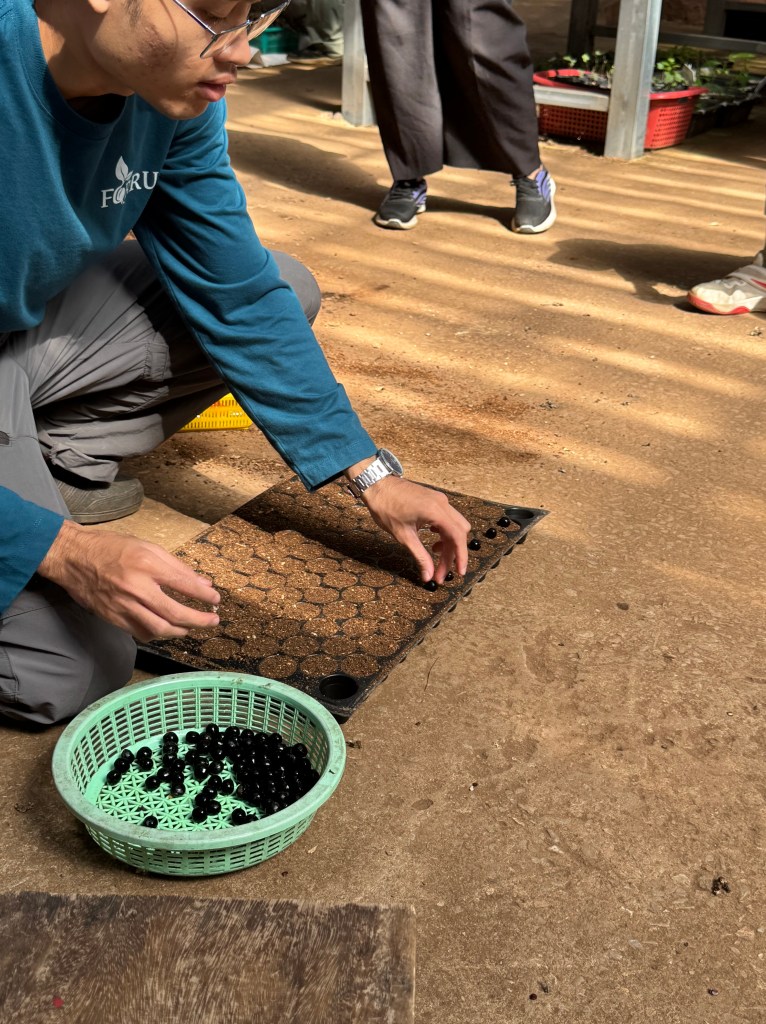
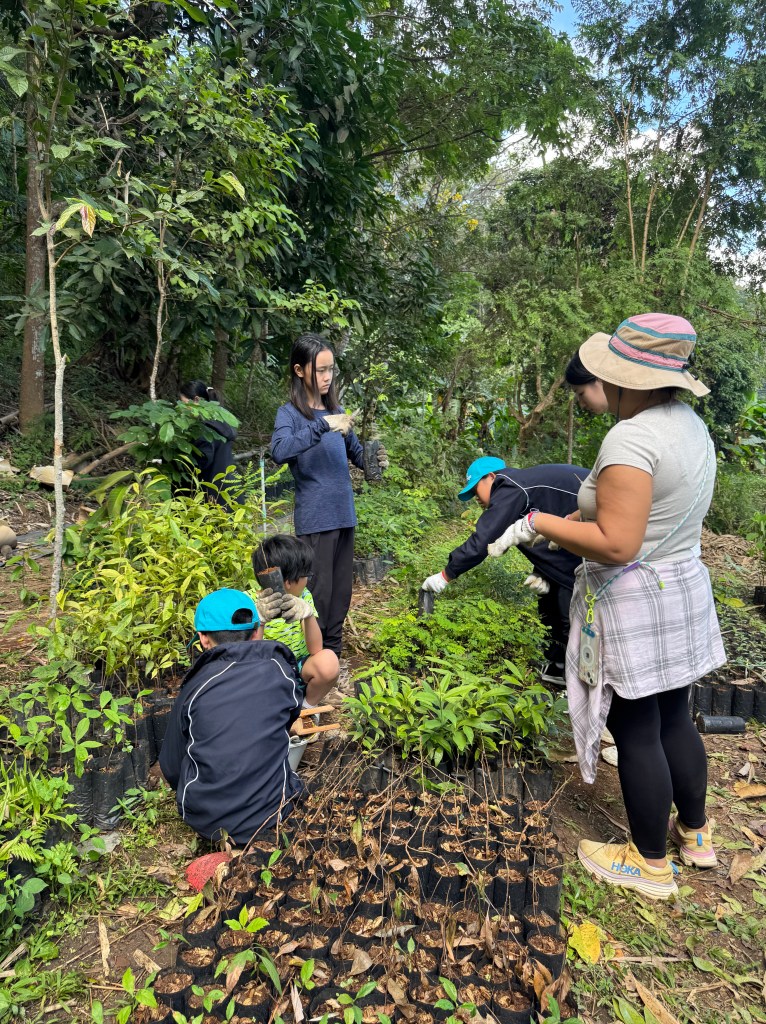
Our journey began with a hike up the famous Doi Suthep mountain, where we learned to identify and propagate different tree species. In FORRU’s on-site nursery, we worked hands-on with seedlings, understanding the restoration process from the very beginning. It was crucial for students to first see what a thriving forest should look like—teeming with biodiversity and towering trees that protect the land—before witnessing how restoration starts with just a single seedling.
The FORRU team introduced us to the Framework Species Method (FSM), a technique that accelerates natural regeneration by planting fast-growing, native tree species in degraded areas. These species help restore ecosystem functions, creating the conditions needed for a diverse forest to regrow naturally.
Seeing Restoration in Action
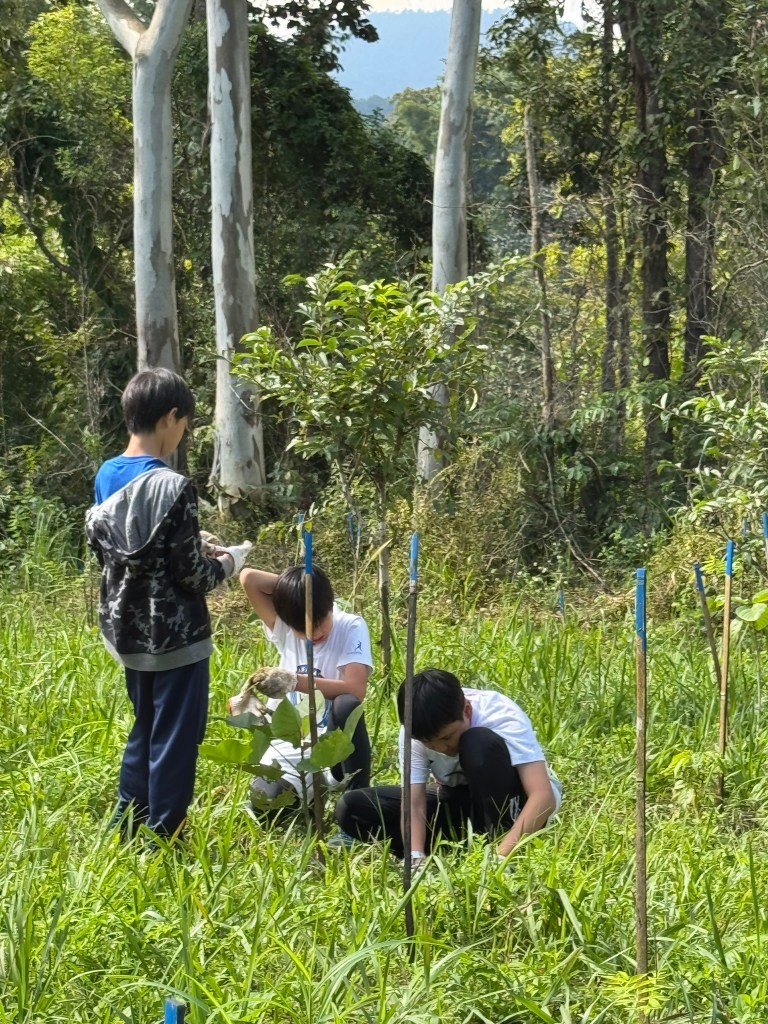
After participating in the early stages of restoration, we visited a site where FSM was already in practice. Here, the barren land was transforming into a thriving forest, demonstrating the tangible impact of reforestation. Witnessing this progress reinforced the immense effort required to rebuild a healthy ecosystem.
Why Forest Restoration Matters
Climate change is a stark reality, and deforestation continues to threaten the delicate balance of this biodiversity hotspot. Protecting and restoring these forests is critical—not only for the endangered species that rely on them but also for carbon sequestration and overall ecosystem stability.
Beyond ecological restoration, FORRU actively engages the local community, teaching residents how to nurture their land and plant the right species using the FSM technique. This approach fosters long-term sustainability, community involvement, and local employment—ensuring that conservation efforts endure for generations to come.

Conserving the Asian elephant in Northern Thailand
Chiang Mai, Thailand
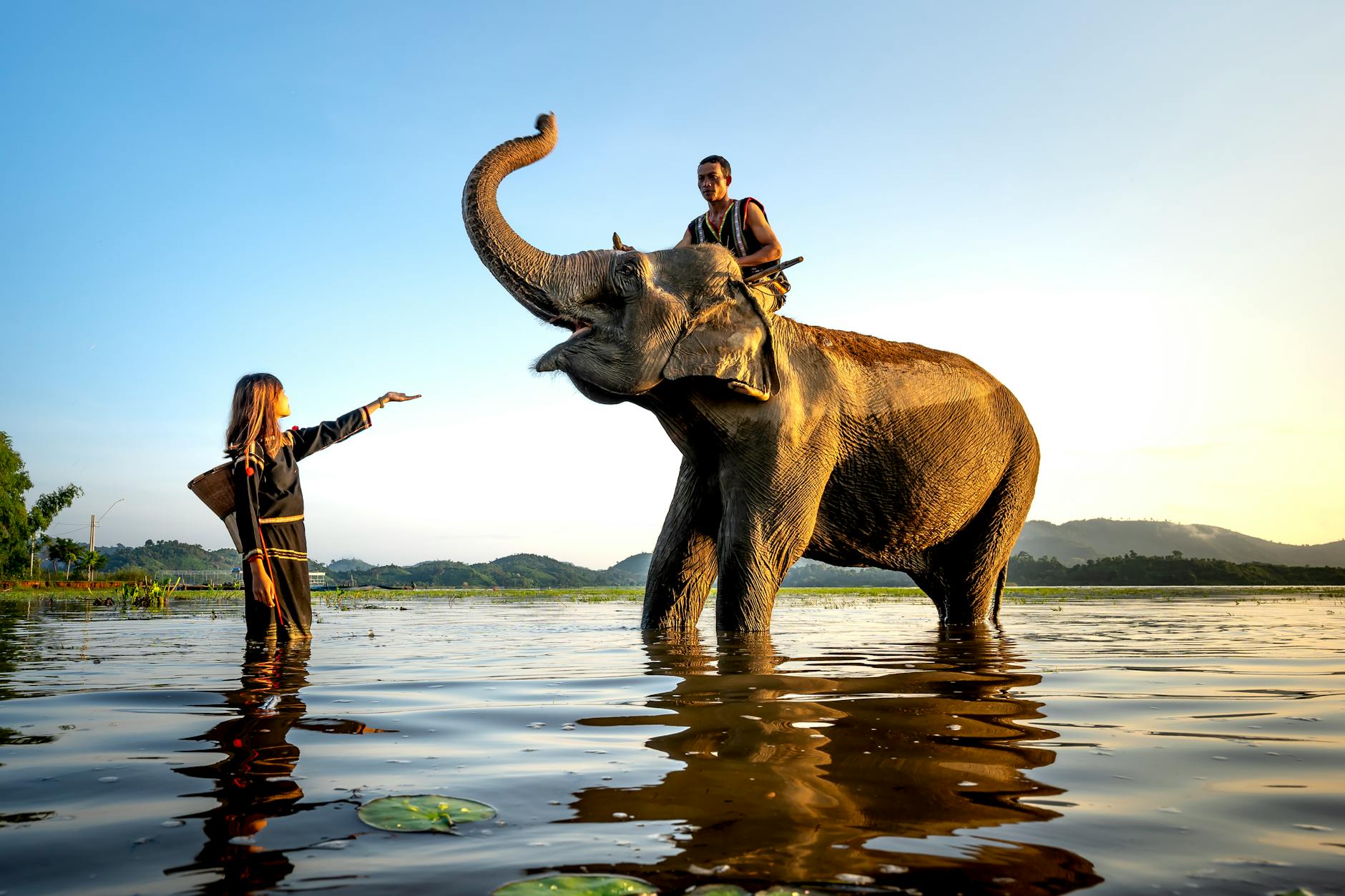
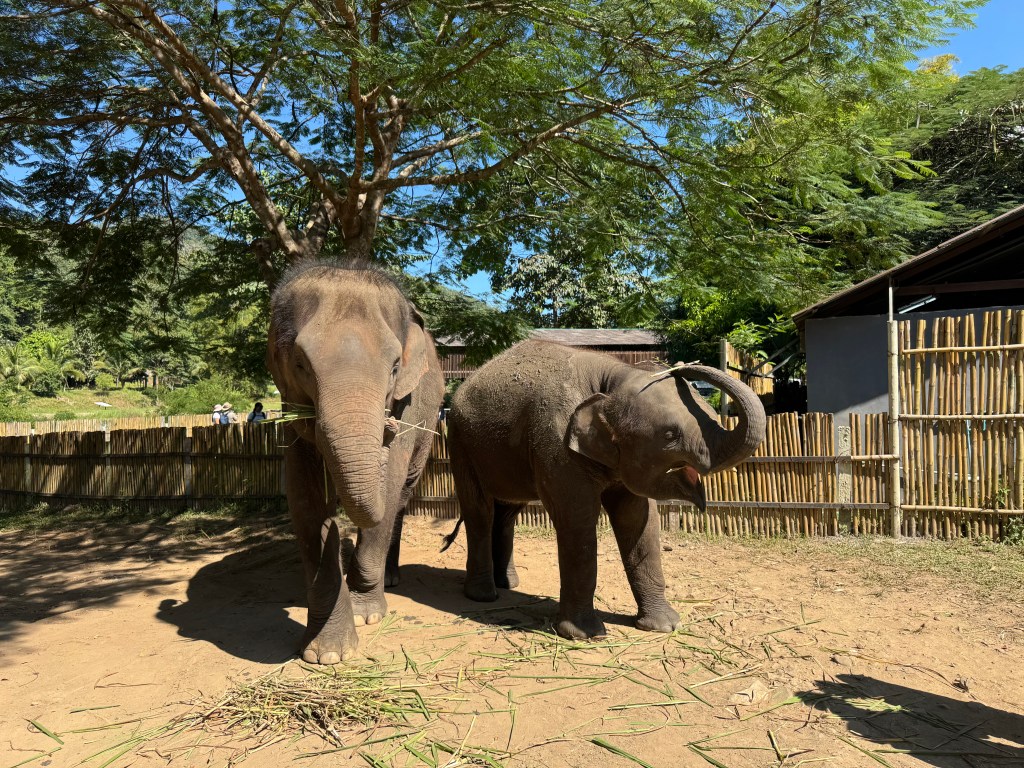
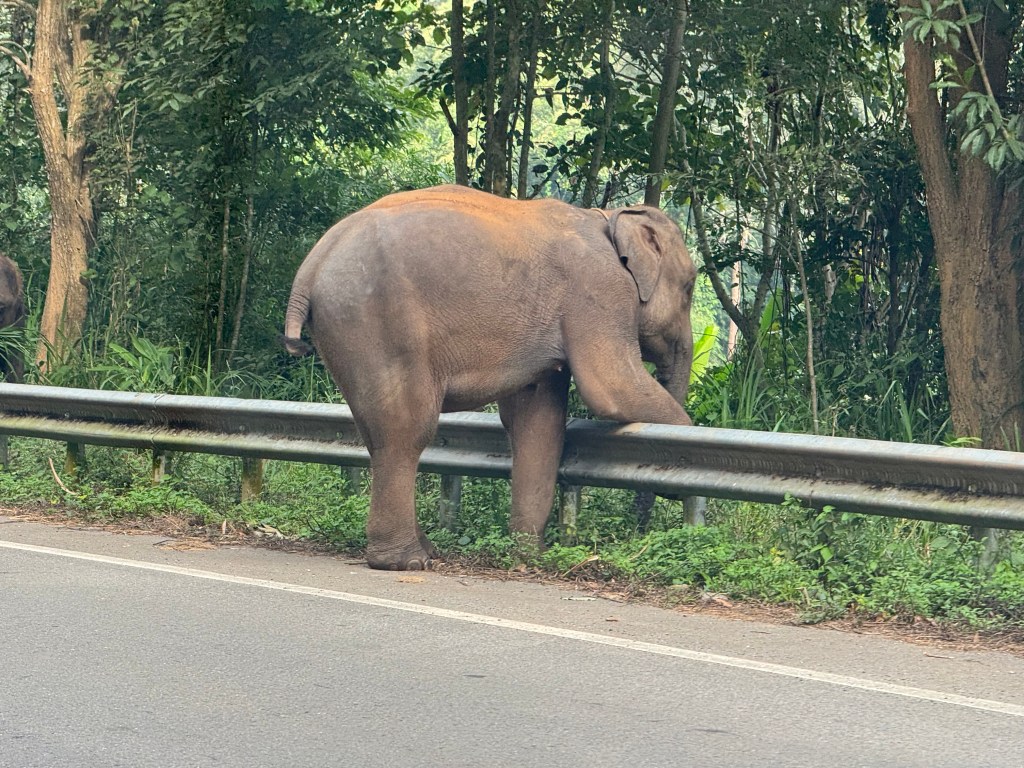
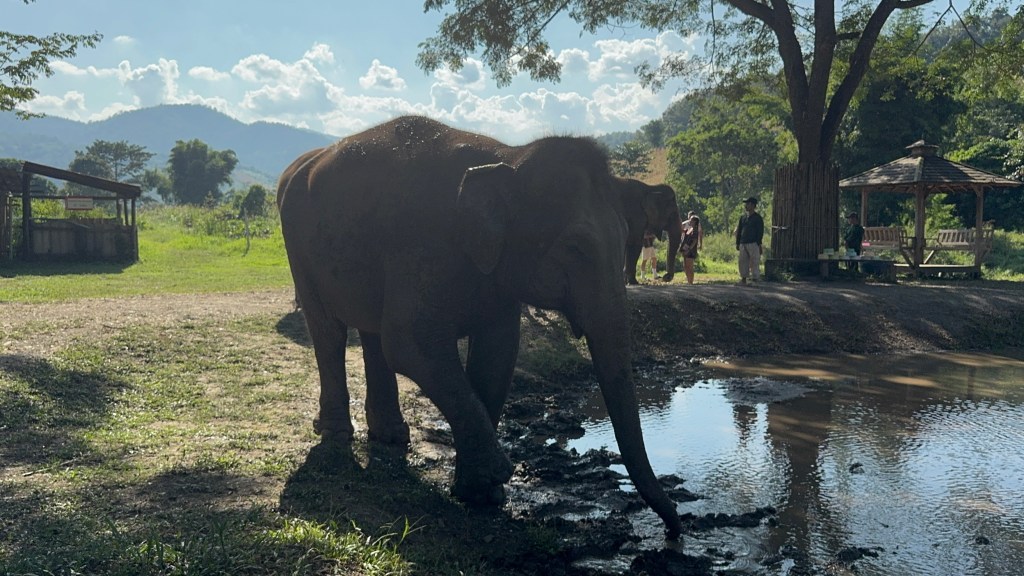
In addition to our forest restoration work, we had the incredible opportunity to learn about Thailand’s national animal—the Asian elephant. Sadly, due to habitat loss, human-wildlife conflict, and poaching, these majestic creatures are endangered, with fewer than 50,000 estimated to remain in the wild.

The Complexity of Elephant Conservation
Elephant conservation is a challenging and often controversial subject. Many so-called “sanctuaries” across Southeast Asia operate unethically, exploiting elephants for tourism rather than prioritizing their well-being. Because of this, we were determined to find a truly ethical conservation center—one dedicated to the genuine protection and rehabilitation of these animals. If you ever visit Southeast Asia and hope to see elephants up close, I highly encourage you to research thoroughly to ensure the place you visit is ethical and does no harm.
Visiting an Elephant Sanctuary
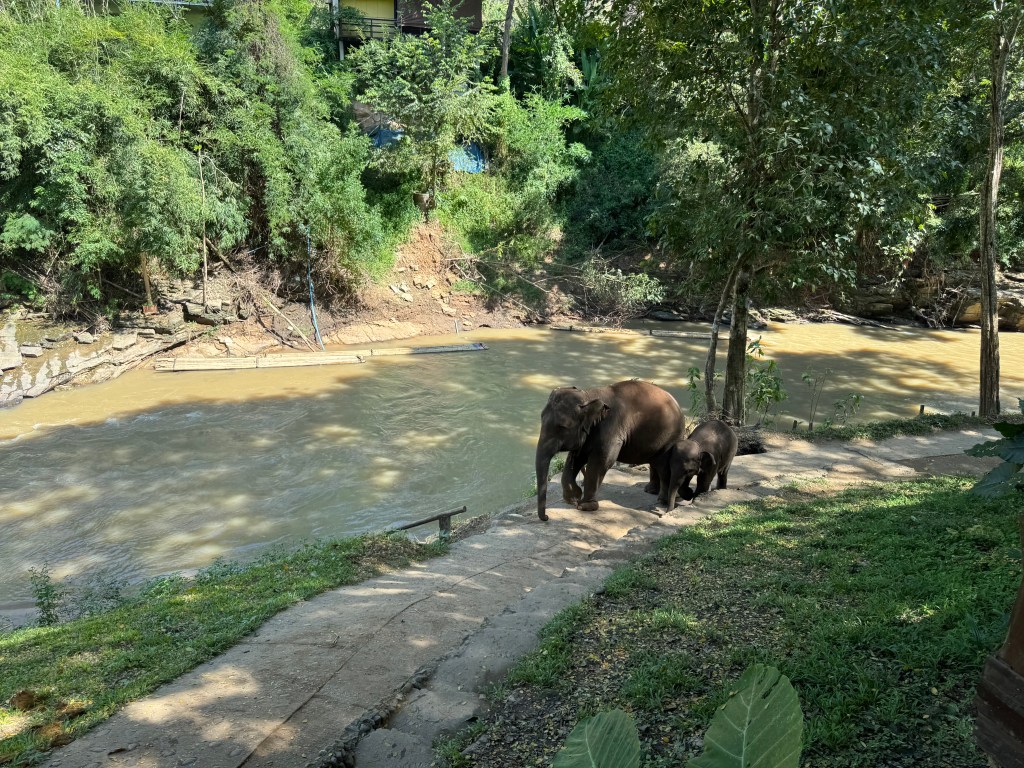
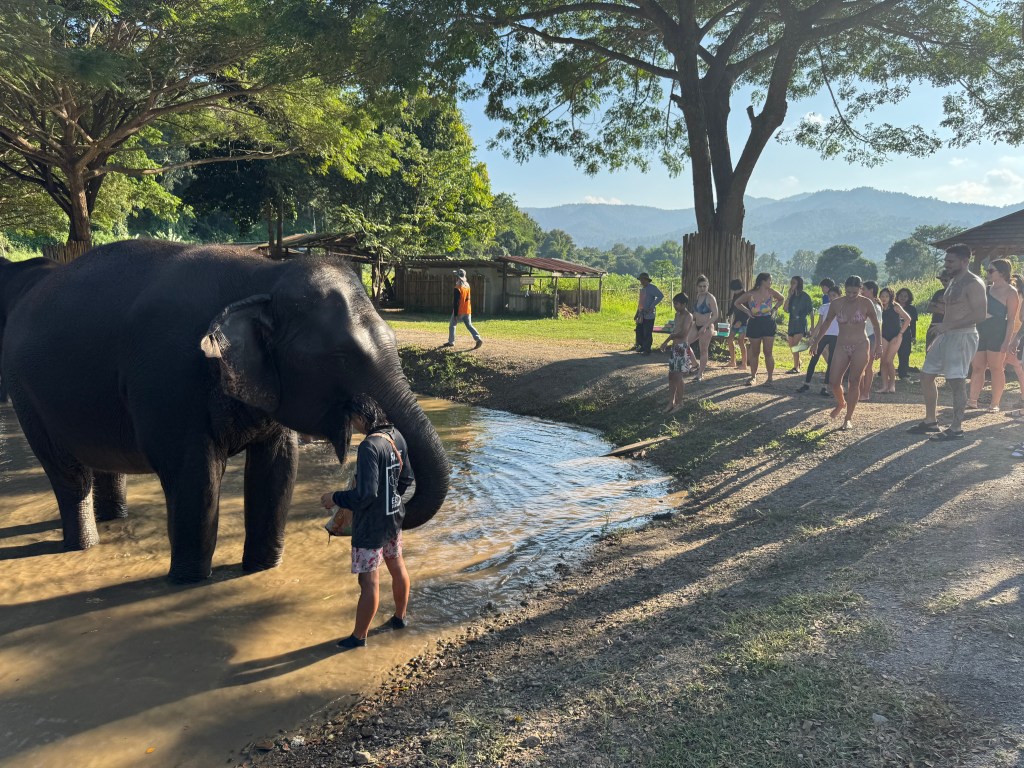
The sanctuary we visited specializes in caring for orphaned, injured, and abandoned elephants from across Thailand. Functioning as a retirement home, orphanage, and hospital, this private camp provides a safe haven for elephants that can no longer survive in the wild.
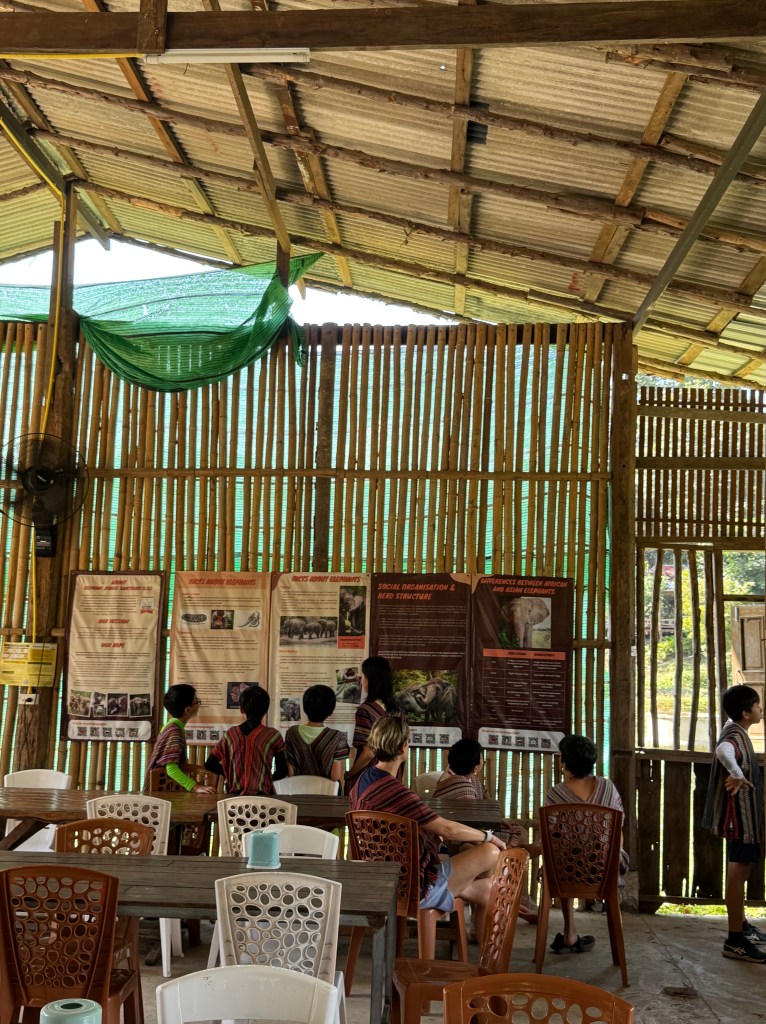
During our visit, we learned from the sanctuary guides about each elephant’s story—how they arrived at the center and the challenges they faced before rescue. We also played a hands-on role in their care, preparing nutrient-rich energy balls to meet their specific dietary needs and taking them to the river for a refreshing bath.

The Challenges of Elephant Conservation
Protecting elephants is a complex issue due to a variety of factors, including:
- Their massive size – Elephants require vast amounts of space and resources to thrive. They eat up to 150 kg per day!
- Increasing competition for land – Expanding agriculture and urbanization shrink their natural habitat.
- Local hill tribe rights – Some communities have long-standing cultural ties to elephant ownership.
- Reintegration challenges – Many rescued elephants cannot be released back into the wild due to injuries, past captivity, or habitat loss.
Despite these challenges, ethical sanctuaries play a crucial role in providing elephants with a dignified life, free from exploitation. Our experience at the conservation center was both eye-opening and inspiring, reinforcing the importance of responsible wildlife tourism and conservation efforts.





Learn more about the effects of climate change on Chiang Mai’s forest and Asian elephant through a travel-based environmental case study.
How Citizen Science has bettered my understanding of the environment
My favorite part of every citizen science project has been walking away with a deeper, renewed connection to the planet. There’s something especially rewarding about dedicating your time purely to helping a species or ecosystem—it makes the experience even more meaningful.
Citizen science not only advances scientific education and communication but also encourages hands-on involvement in protecting our communities and environment. This kind of engagement fosters a personal connection to nature, helping us see firsthand how climate change impacts our daily lives.
 My Ecological Odyssey
Leave a comment