
Climate change is real. If you disagree, I probably can’t change your mind at this point. But that’s not the purpose of this post.
For those of us who understand the science and accept that our planet is in crisis, this is an especially complicated time to be alive. We recognize that humans have caused irreversible harm to the environment. According to the United Nations, 2024 was the hottest year on record. We see the consequences in wildfires, hurricanes, and rising sea levels. None of this is new information, and I don’t need to bombard you with more frightening facts about how scientists predict mass extinctions or how Trump’s removal from the Paris Agreement and World Health Organization makes this situation even more dire.
The truth is, it has been dire since scientists first sounded the alarm in the 1960s. I don’t say this to spread pessimism or deepen the weight of climate anxiety, but how can we not feel overwhelmed? Politicians deny scientific realities, more species are pushed to the brink, and entire communities are being devastated by extreme climate events. For anyone with basic empathy and awareness, this is an incredibly difficult reality to process.
I personally struggle to focus on daily life knowing the trajectory we’re on. But when I say “we,” I’m not just talking about humans. What also troubles me is the suffering of other species—plants and animals that have no control over our actions. Scientists predict that climate change could drive up to 70% of Earth’s species to extinction by the end of the century. This crisis is a result of systemic corruption, capitalism, and the greed of a few, not individual choices.
When the planet suffers, so do we
Still, we are here, living through this reality. I recently came across the term “solastalgia,” which describes the distress people feel when their environment is changing in harmful ways. Research has shown a direct link between mental health struggles and increasing extreme weather events. When we are constantly confronted with catastrophic news, it’s no surprise that so many experience a sense of existential dread.
Climate anxiety, or solastalgia, is very real. Here are some key scientific findings for different kinds of climate-related events…
Impacts of acute climate-related events
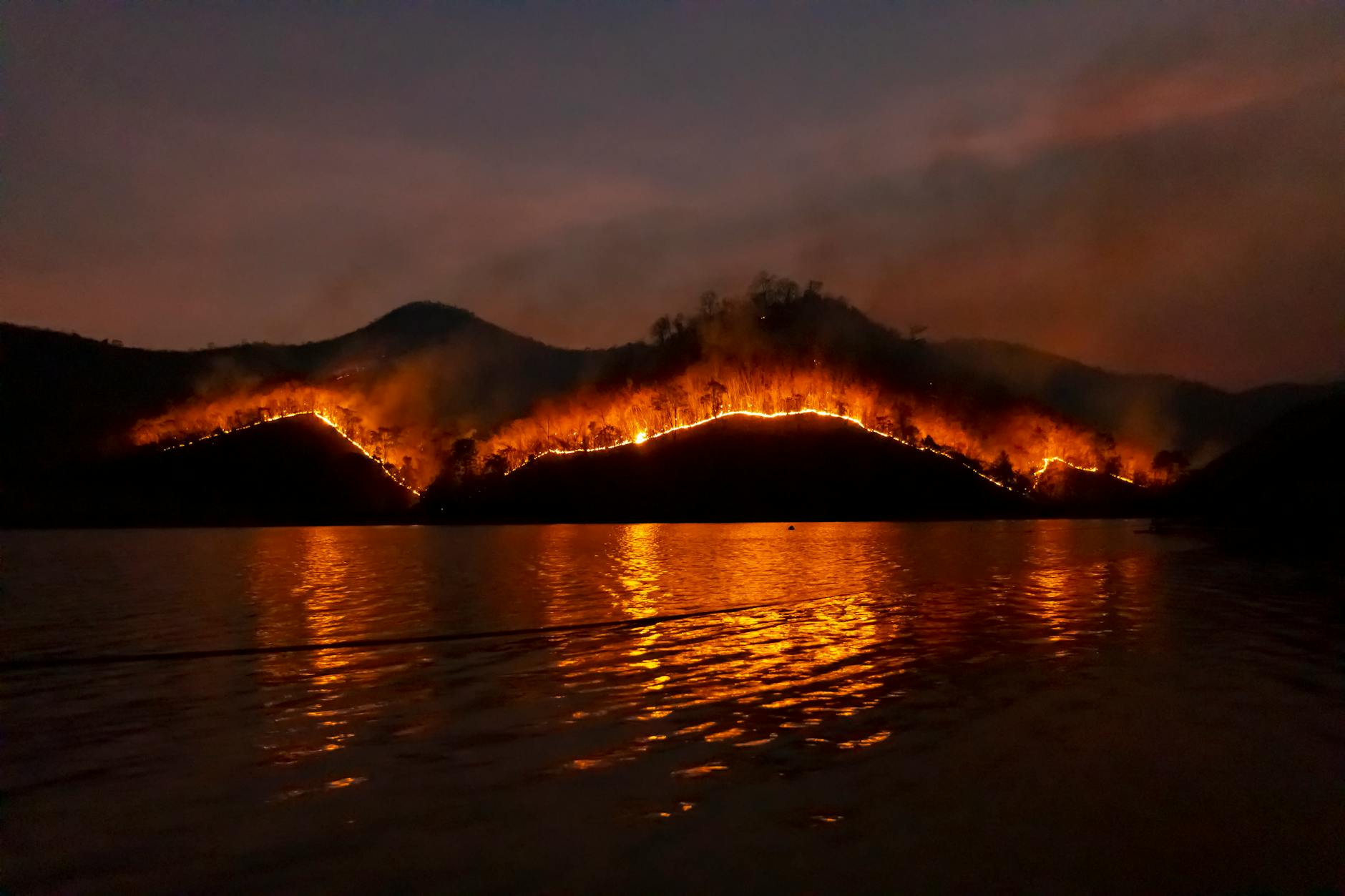

- Acute climate-related events: Hurricanes, floods, wildfires, short-duration heat waves.
- Mental health consequences: Found to last for days, including elevated rates of anxiety, mood disorders, acute stress reactions, PTSD, disrupted sleep, suicidal ideation, decreased sense of self/identity from loss of place, grief reactions.
- The effects can linger for months, years even. Especially vulnerable populations include low and middle-income countries due to increased exposure to extreme weather events, lack of access to services, and increased poverty.
Subacute climate-related events
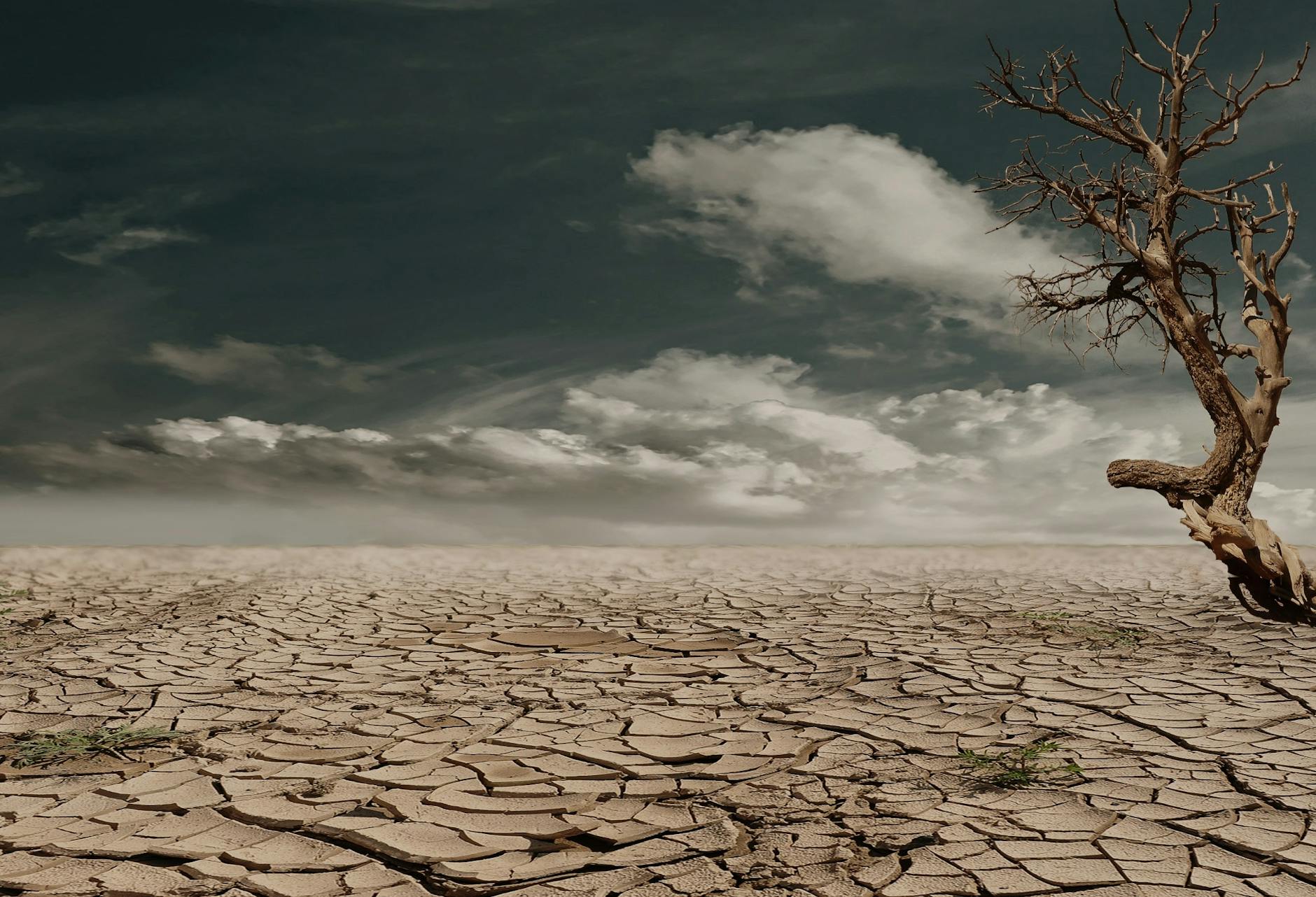
- Subacute climate-related events: Increased duration of heat waves, prolonged droughts.
- Mental health consequences of increased heat waves: Increased rates of aggressive and criminal behavior, increased rates of physical assaults and homicide, increased suicide rates, suppression of thyroid hormones which can lead to lethargy, low mood, and cognitive impairment.
- Mental health consequences of prolonged droughts: Decreased physical health and community wellbeing.
- These effects can also create long-term impacts, and particularly vulnerable populations include men and older adults (for increased risk of suicidal ideation), and those with pre-existing mental health problems (especially those with dementia, schizophrenia, and substance abuse disorders). Children are also particularly vulnerable because of their immature physiology and lifelong exposure.
Impacts of long-lasting climate-related events

- Long-lasting climate-related events: Higher temperatures, rising sea levels.
- Mental health consequences: Existentialism — psychological distress and anxiety caused by acknowledging climate change, ecoanxiety or solastalgia.
- These effects alter the way people interact with their communities due to the lack of comfort or solace from the individual’s home environment. Young people, regardless of income, are especially vulnerable.
So what?
It’s a lot to swallow, seeing the hard facts laid out like this. Climate-related events, regardless of their duration, have both acute and long-lasting mental health impacts. Mental health services need to be adapted for these uniquely detrimental impacts on the psyche, particularly for those vulnerable populations. We also need to prioritize public health education and risk communication.
And still, none of this is new. We must take it one step further and promote personal engagement in environmental conservation, while also promoting more optimistic outcomes with climate change.
It feels like the end of the world, but maybe it’s not…
I recently saw a video from New York Times climate reporter Raymond Zhong who explained that even though our current situation looks dire, it’s not a reason to stop trying. I highly encourage you to watch this quick 3 minute video but I’ll summarize his findings below.
Raymond explains that the we’ve passed our key limit for global warming, set by nations in the 2015 Paris Agreement. The goal was to not let global warming creep past 1.5 degrees Celsius. However, we have surpassed that. Even though the climate graphs look dire and our goals seem impossible, that’s not totally true. Failing this goal doesn’t mean we’ve failed in halting climate change altogether. In fact, many people thought this goal was unrealistic in the first place.
Scientists emphasize that every 1/10th of a degree counts, so it’s not a reason to stop trying. When we set these climate goals, even if they’re slightly unrealistic, we promote a more positive outlook on the future. We have something to move towards, a future to aim for. By setting these goals, companies and organizations are forced to think about how to decarbonize their businesses and stop relying on fossil fuels.
What now?
I go through all of that to say this is not a lost cause. There is still hope, and one of the best ways to combat climate anxiety is through personal engagement. When I participate in citizen science projects (learn more here), I feel a deeper connection to nature. Getting involved in local climate initiatives, supporting environmental policies, and staying informed can provide a sense of agency in the face of uncertainty.
The existential weight of climate change doesn’t have to paralyze us—it can be a reminder to live intentionally, to care for our planet, and to contribute to a future where we do better.
Something that always brings me a strange sense of comfort is remembering that Earth does not care—truly, it doesn’t. It existed long before us and will continue long after we’re gone. We are just a fleeting moment in its vast timeline. No matter the damage we inflict, the planet will heal in ways we can’t fully comprehend. Even if fire scorches its surface, life will return. New species will emerge, adapting as they always have, because that is the rhythm of nature—relentless, resilient, and ever-changing. The Earth will be fine. The real question is whether we will be.
So don’t waste your tears on an Earth that feels nothing for us. Instead, be kind—to each other, to the species that never did anything but follow the natural order of evolution, to the ecosystems thrown into chaos by forces beyond their control. We may not be able to save everything, but we can choose to protect what’s still here.

Resources
Clayton S. (2021). Climate Change and Mental Health. Current environmental health reports, 8(1), 1–6. https://doi.org/10.1007/s40572-020-00303-3
Climate change and life on earth. (n.d.). https://www.biologicaldiversity.org/programs/climate_law_institute/global_warming_and_life_on_earth/index.html#
Palinkas, L. A., & Wong, M. (2020). Global climate change and mental health. Current opinion in psychology, 32, 12–16. https://doi.org/10.1016/j.copsyc.2019.06.023

 My Ecological Odyssey
Leave a reply to Harish Bhatt Cancel reply